













Now Reading: CEEW: Better organic waste management can unlock $51 billion
-
01
CEEW: Better organic waste management can unlock $51 billion


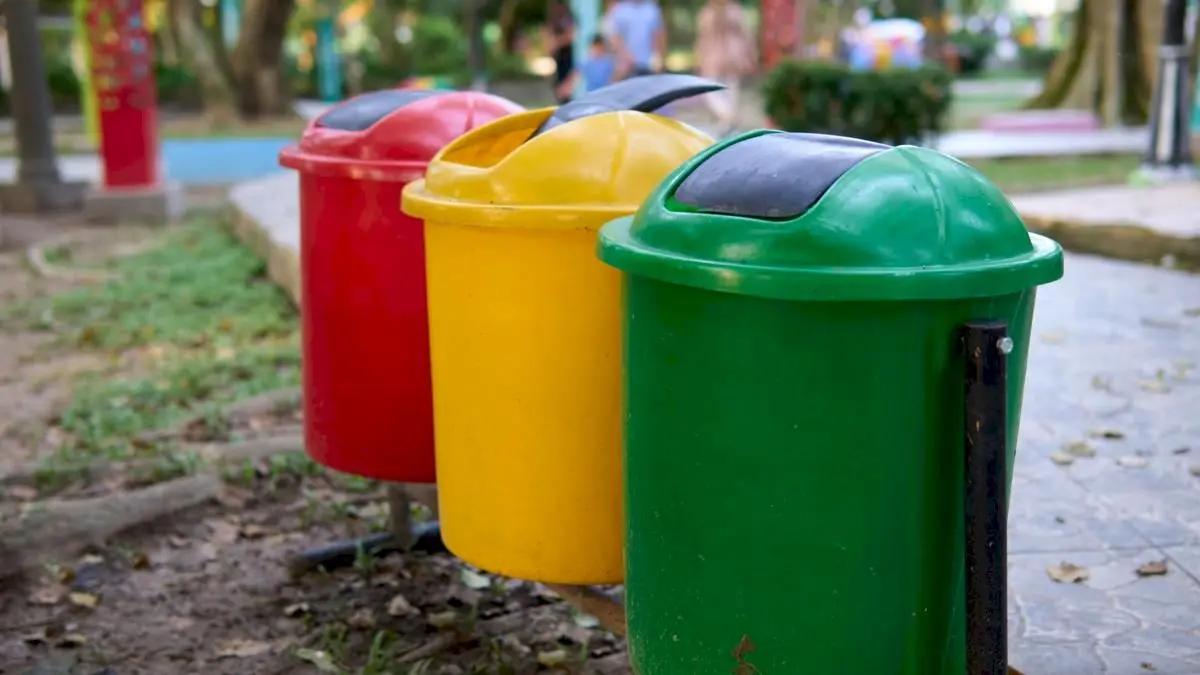
A new CEEW report finds that improved management of urban organic waste could unlock a market worth nearly $51 billion by 2047, attract $24 billion in investments and create 26 lakh direct…
The Story in Brief
A new CEEW report finds that improved management of urban organic waste could unlock a market worth nearly $51 billion by 2047, attract $24 billion in investments and create 26 lakh direct jobs. The report, cited by The Hindu, says such efforts would also cut methane emissions, improve air quality and boost India's clean energy ecosystem through compost, biogas and bio-CNG.
India's organic waste problem stems from fragmented responsibility across 16 ministries and government bodies, with no single point of accountability. While the Solid Waste Management Rules (2026) mandate source segregation and local treatment, implementation remains weak. Rural waste, including agricultural residue and animal waste, is largely left out of the discussion, worsening the missed opportunity.
The Indian Opinion
The usual narrative blames citizens for not segregating waste. But even perfect segregation at home means little if collection, transport and processing are broken. The real culprit is the fragmented mandate spread across 16 ministries with no one accountable for the full chain. The government talks of 'Viksit Bharat' by 2047. A fair test of seriousness will be whether it creates a single nodal agency for organic waste management and tracks resource recovery, not just asset creation.
Source: thehindu.com
This story was synthesised by AI from the source linked above.