






Now Reading: Maharashtra cabinet gives ₹5,000 to 15 million drought-hit farmers
-
01
Maharashtra cabinet gives ₹5,000 to 15 million drought-hit farmers



The Story in Brief
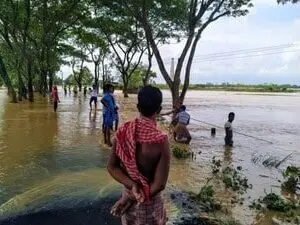
The Maharashtra cabinet on Tuesday, 27 October, approved ₹5,000 to each of nearly 1.5 crore farmers in 304 drought-hit talukas whose crops suffered damage exceeding 33%. The amount will be transferred directly to bank accounts from Thursday, 29 October, to reach farmers before Diwali, with a total outlay of ₹7,500 crore.
The state is drafting a ₹40,000-crore relief package to be sent to the central government by 31 October. Revenue minister Chandrashekhar Bawankule said demands to include additional talukas, including Haveli, Maval and Mulshi in Pune district, will be examined based on ground reports before the Cabinet sub-committee’s next meeting.
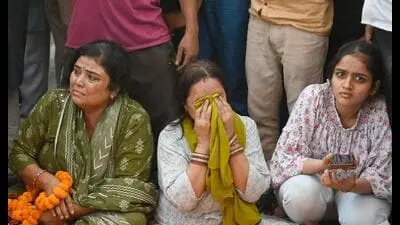
Income tax-paying farmers, government officers, employees and elected public representatives will not get the money. The government warned financial institutions against coercive recovery practices amid reports of farmer suicides in Marathwada’s Nanded, CM Devendra Fadnavis ordered criminal cases against officials and recovery agents involved.
Indian Opinion Analysis
Hindustan Times leads its report with the state cabinet approving the advance payment, the ₹40,000-crore relief package being drafted, and the government’s warning to financial institutions against coercive recovery, including CM Devendra Fadnavis ordering criminal cases over farmer suicides. CNBC-TV18, carrying mostly PTI copy, leads with the who-qualifies-and-how detail and includes Sunil Tatkare’s call for relief beyond SDRF/NDRF norms. Both outlets cover the core fact neutrally. Hindustan Times adds the government’s action on microfinance harassment, which frames the announcement as part of a broader distress response, while CNBC-TV18’s inclusion of Tatkare’s demand introduces pressure for larger aid. A Cabinet sub-committee meeting to consider extending further assistance is the concrete next step named by both sources.
Coverage: 2 sources, 2 neutral
Sources (2): hindustantimes.com (neutral report), cnbctv18.com (neutral report)
This brief was synthesised by AI from the 2 sources linked above, so one read covers every framing they carry. Methodology and corrections.