








Now Reading: Marathwada, west Vidarbha shift to hotter, drier climate zone: IMD study
-
01
Marathwada, west Vidarbha shift to hotter, drier climate zone: IMD study

Marathwada, west Vidarbha shift to hotter, drier climate zone: IMD study

The Story in Brief
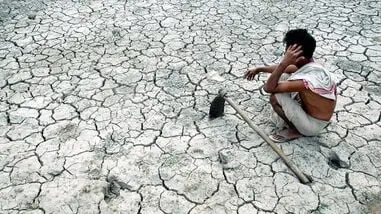
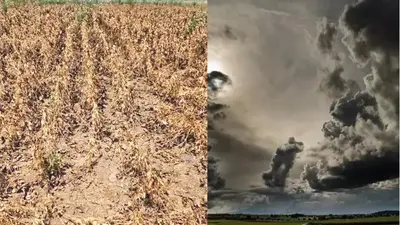
An IMD-IITM study published in the journal MAUSAM on October 23 shows Marathwada and west Vidarbha in Maharashtra have shifted from a tropical savannah to a hot semi-arid climate zone over the past three decades, driven mainly by rising daytime and night-time temperatures. The country's wettest tropical monsoon zone has simultaneously expanded along the Konkan coast, Goa, coastal Karnataka and Kerala.
The findings come as Maharashtra battles drought after its monsoon rainfall ended 19 per cent below normal in the 2026 El Niño year. Deccan Herald reports the state declared drought in 305 talukas, Times of India puts the figure at 265 as of September 26. Lead author Ananya Karmakar of IMD Pune said the long-term shift means a failed monsoon now lands on a climate that has itself changed, making water and farm planning more urgent. The authors call for monitoring the zone shifts and integrating them into agricultural planning.
Indian Opinion Analysis
Deccan Herald and Times of India both lead with the core scientific finding, Marathwada and west Vidarbha shifting to a hot semi-arid zone, and attribute the change to rising temperatures. Both also highlight the study's agricultural implications and quote lead author Ananya Karmakar on the current drought landing on a shifted climate. The only difference is in the drought tally: Deccan Herald says the state declared drought in 305 talukas, while Times of India puts the figure at 265 and specifies the declaration date of September 26. The remainder of the coverage is uniform straight reporting of the same peer-reviewed study, with identical explanations of the climate zone methodology and the coast's opposite wetting trend. The absence of criticism or official response keeps both stories squarely in neutral-report territory.
Coverage: 2 sources, 2 neutral
Sources (2): deccanherald.com (neutral report), timesofindia.indiatimes.com (neutral report)
This brief was synthesised by AI from the 2 sources linked above, so one read covers every framing they carry. Methodology and corrections.