









Now Reading: Marathwada drought traps women with no work or income
-
01
Marathwada drought traps women with no work or income


The Story in Brief
A severe drought in Maharashtra’s Marathwada region has wiped out kharif crops and dried up water sources, pushing widows and single mothers into a desperate struggle for survival. Women like Deepmala Kale, a 31-year-old single mother in Beed’s Kej taluka, say they have no farm work and no money to buy food. The state has declared most of Maharashtra drought-hit after a failed monsoon, but beyond the parched fields, activists warn that women are trapped by caregiving responsibilities and cannot migrate for work.
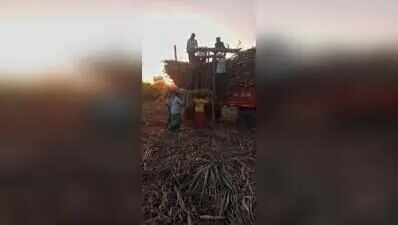
Farm labourers who once earned about Rs 250 a day for sowing and harvesting now find no wages. Manisha Ghodke, a 32-year-old widow from Beed, said she had no work for a month and would have to ask her father for grain before Diwali. Another widow, Manisha Dolas, is waiting for the cane-cutting season to begin. Beed collector Vivek Johnson said the district is offering work under the Viksit Bharat Guarantee for Rozgar and Ajeevika Mission. Activists caution that women may be forced into debt as savings run out.
Indian Opinion Analysis
Times of India’s piece leads with the personal stories of widows and single mothers struggling to feed their children, framing the drought as a quiet emergency that traps women unable to migrate. The Hindu’s article is a short documentary description that presents the drought as a general crisis for farmers and labourers, without singling out gender or administrative response. The two outlets differ only in focus: Times of India zooms in on the gendered toll and names a district official’s relief measures, while The Hindu offers a broad overview. Taken together, the coverage shows a crisis that is both a regional agricultural failure and a specific burden on the most vulnerable. The concrete next step for many women is the cane-cutting season, which has not yet started, and delayed government pensions remain unresolved.
Beed collector Vivek Johnson said works have been identified under the Viksit Bharat Guarantee for Rozgar and Ajeevika Mission to ensure daily-wage employment for those seeking it.
Coverage: 2 sources, 1 government-critical, 1 neutral
Sources (2): timesofindia.indiatimes.com (government critical), thehindu.com (neutral report)
This brief was synthesised by AI from the 2 sources linked above, so one read covers every framing they carry. Methodology and corrections.