





















Now Reading: Matrimony.com: North India still warming to online matchmaking
-
01
Matrimony.com: North India still warming to online matchmaking



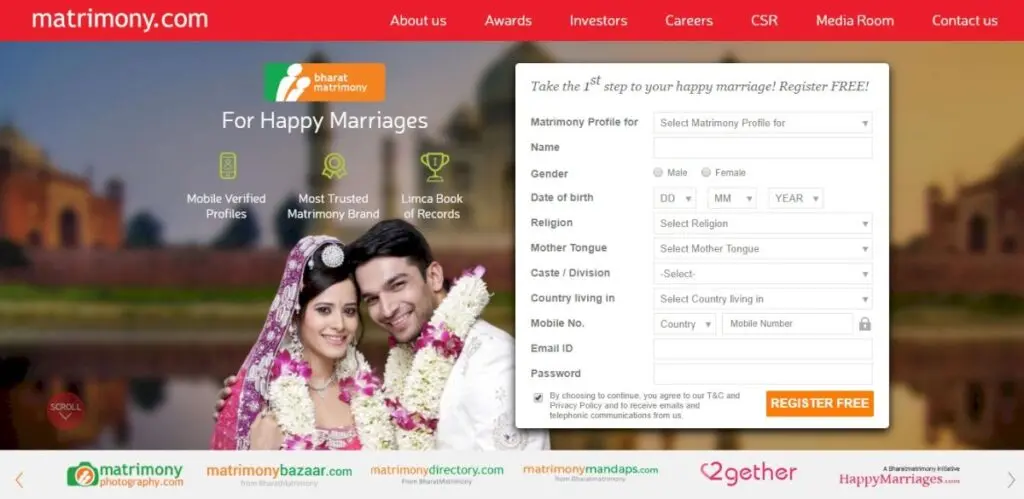
Matrimony.com CEO said north India remains a lagging market for online matchmaking, with the company still investing heavily to grow adoption there, unlike the mature southern states. The average customer stays on the platform for just nine months, forcing the business to spend 30, 40% of revenue on marketing.

The company runs a house of brands, around 300 community-specific services, so brand equity from Tamil Matrimony does not transfer to a Punjabi service. This structure makes marketing spend higher than a typical pan-India brand.
Matrimony.com launched Luv.com to target people in their late 20s who want marriage but find matrimony platforms too pressure-heavy. The dating segment has lower revenue per user, and the company said it is scaling Luv.com carefully to avoid diluting its core matchmaking business.
Indian Opinion Analysis
Matrimony is a high-churn business by design: success means the customer leaves. This makes Matrimony.com's marketing spend of 30, 40% of revenue structurally necessary, not a sign of inefficiency. The house-of-brands model, 300 community labels, prevents cross-state brand equity, especially in northern India where adoption lags the south. The launch of Luv.com targets a new segment: people in their late 20s who want marriage but balk at matrimony's implied deadline. The key metric to watch is whether Luv.com can achieve the average revenue per user of a matchmaking service, not a dating app, and whether northern markets ever close the adoption gap.
Source: brandequity.economictimes.indiatimes.com
This story was synthesised by AI from the source linked above. Methodology and corrections.