













Now Reading: MEA’s passport stance breaks law, says ex-SC judge
-
01
MEA’s passport stance breaks law, says ex-SC judge


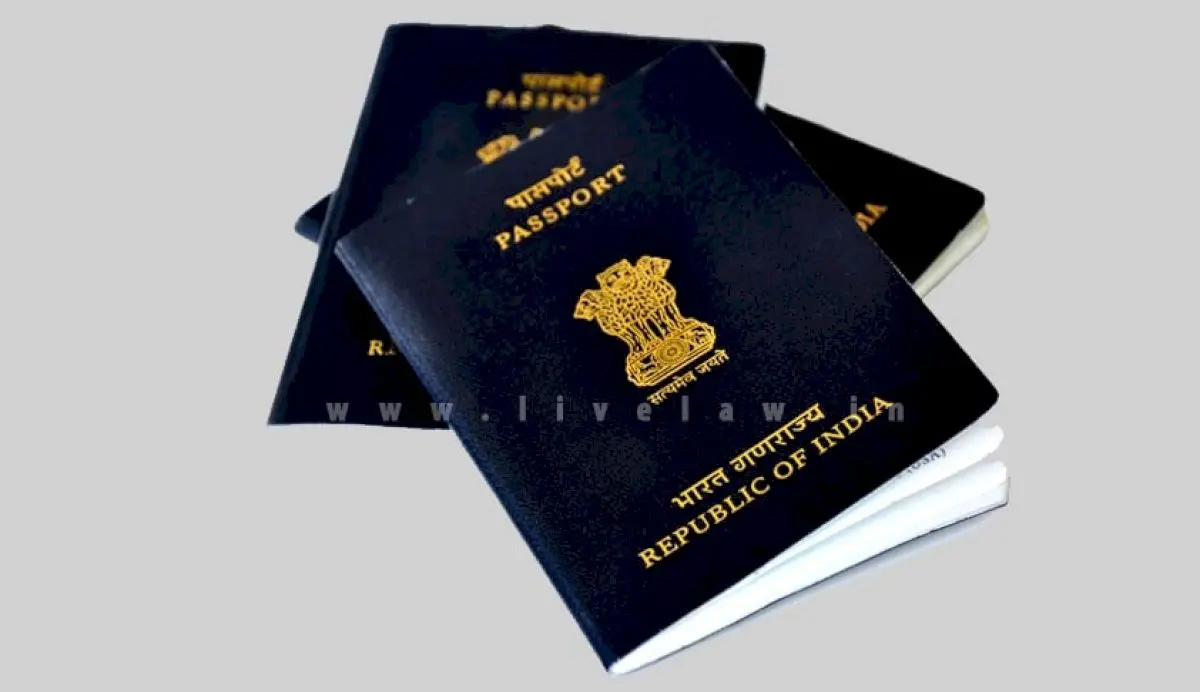
In June 2026, the Ministry of External Affairs declared that an Indian passport is only a travel document, not proof of citizenship. That statement, criticised by former Supreme Court judge Justice Madan…
The Story in Brief
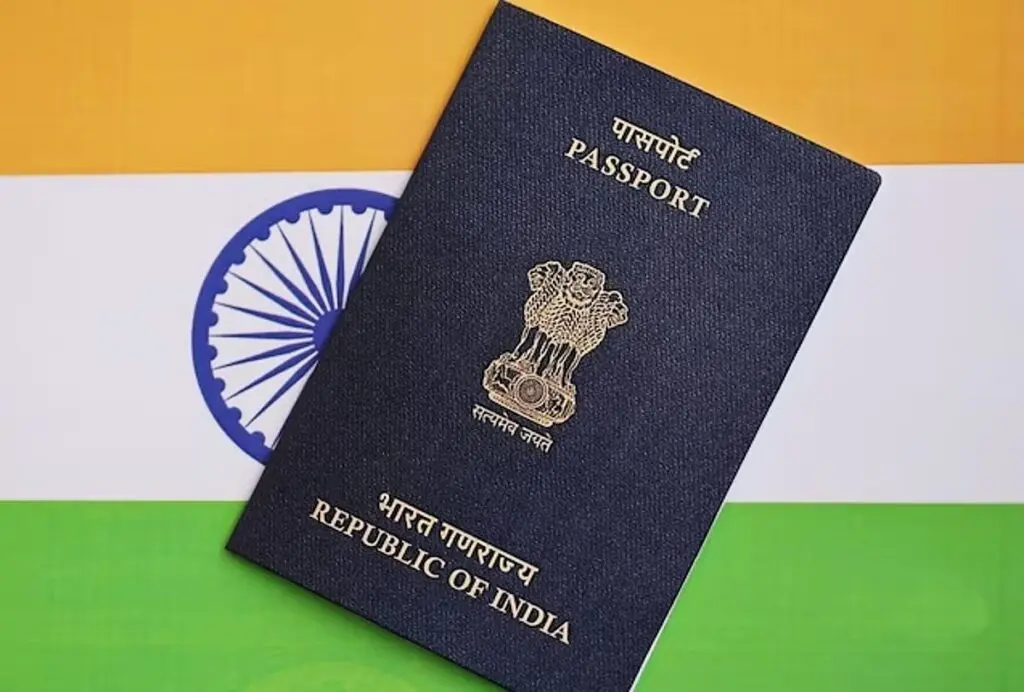
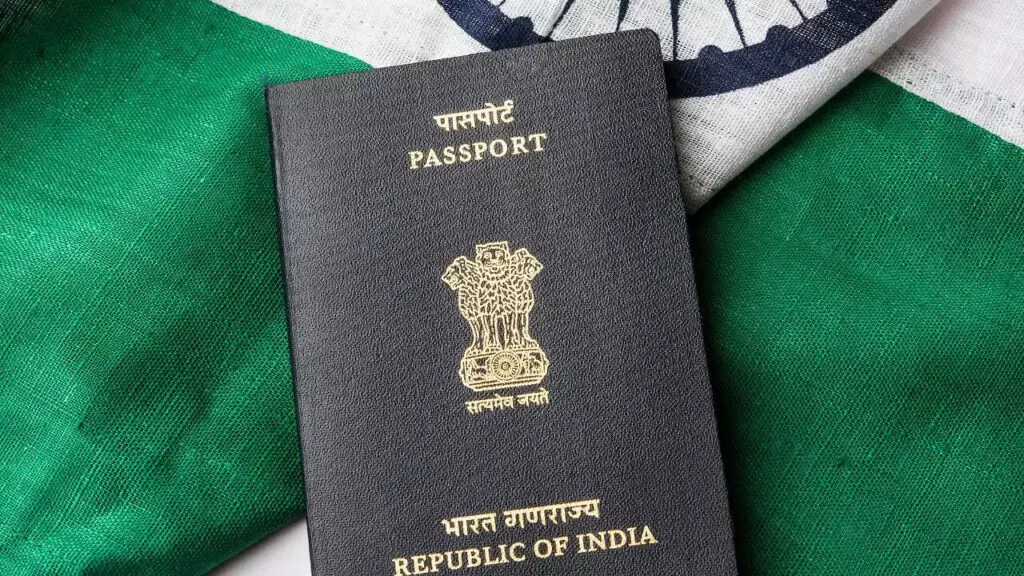
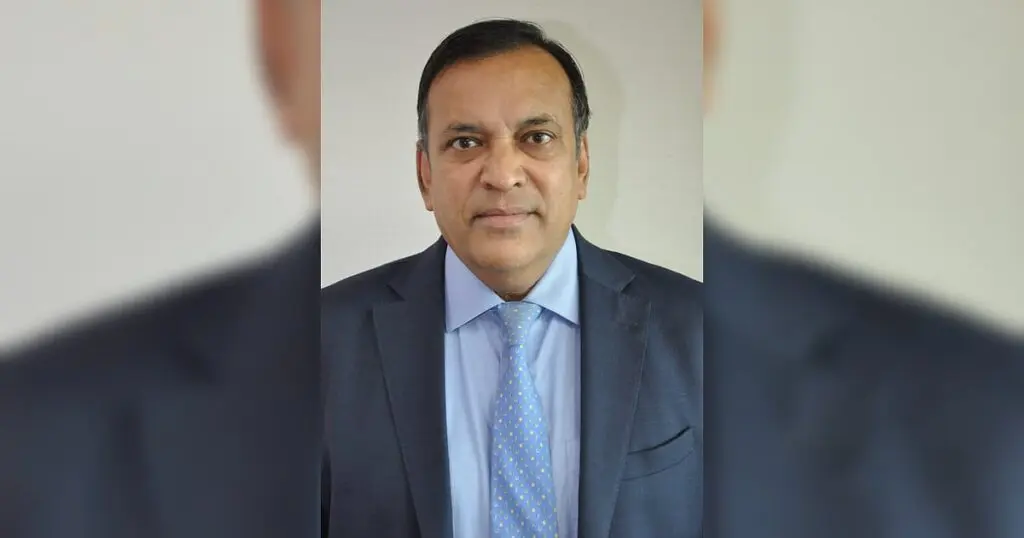
In June 2026, the Ministry of External Affairs declared that an Indian passport is only a travel document, not proof of citizenship. That statement, criticised by former Supreme Court judge Justice Madan B. Lokur, creates a legal conflict with the Passports Act, 1967. Section 6(2)(a) of that Act requires a passport officer to verify citizenship before issuing the document. The MEA's position makes that provision meaningless, argues a LiveLaw analysis.

Justice Lokur warned that the move opens the door to arbitrary “doubtful citizen” proceedings. Local officials who handle passport verification, ration cards and land records now have no clear standard. The burden falls hardest on internal migrants and those with weak paper trails. Meanwhile, foreign missions still trust the Indian passport as a citizenship document, creating an asymmetry where the same paper is authoritative abroad but not at home.
The Indian Opinion
The MEA is technically correct that a passport is a travel document, not a conclusive citizenship certificate. But that neat line ignores how the Passports Act itself works: Section 6(2)(a) requires citizenship verification before issuance. Tell a tehsildar that a passport proves nothing, and the burden shifts to migrants and border communities with thin paperwork. The real test will come when a high court hears a plea against a “doubtful citizen” notice backed only by a withheld passport. Will the judiciary restore the passport's presumptive weight?
Source: livelaw.in
This story was synthesised by AI from the source linked above.