
















Now Reading: Modi signs energy deals with UAE as war strains India
-
01
Modi signs energy deals with UAE as war strains India


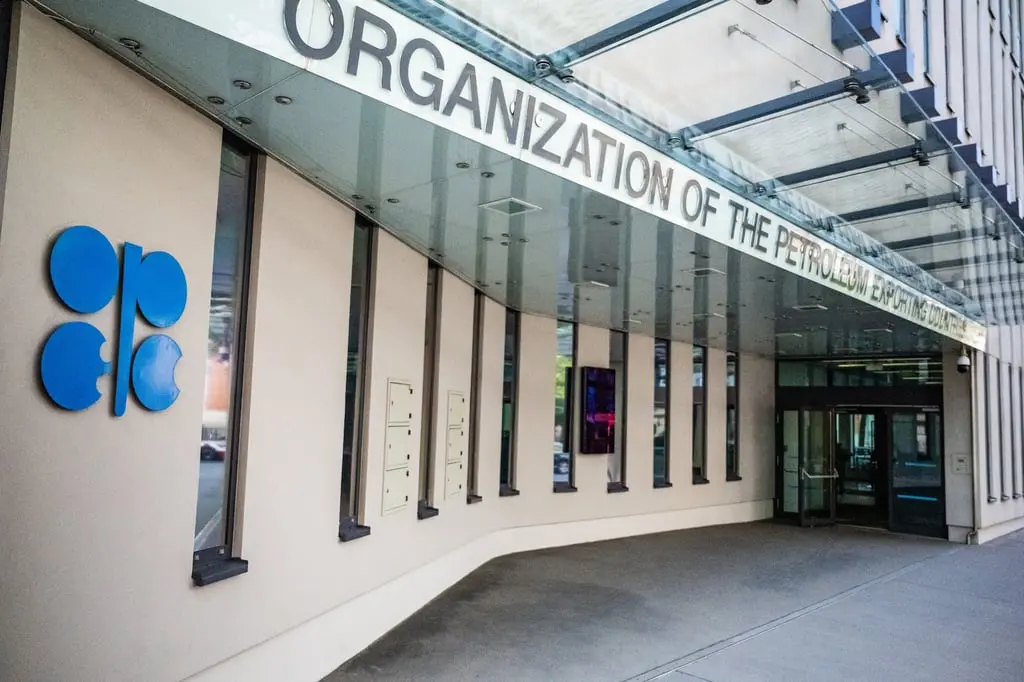
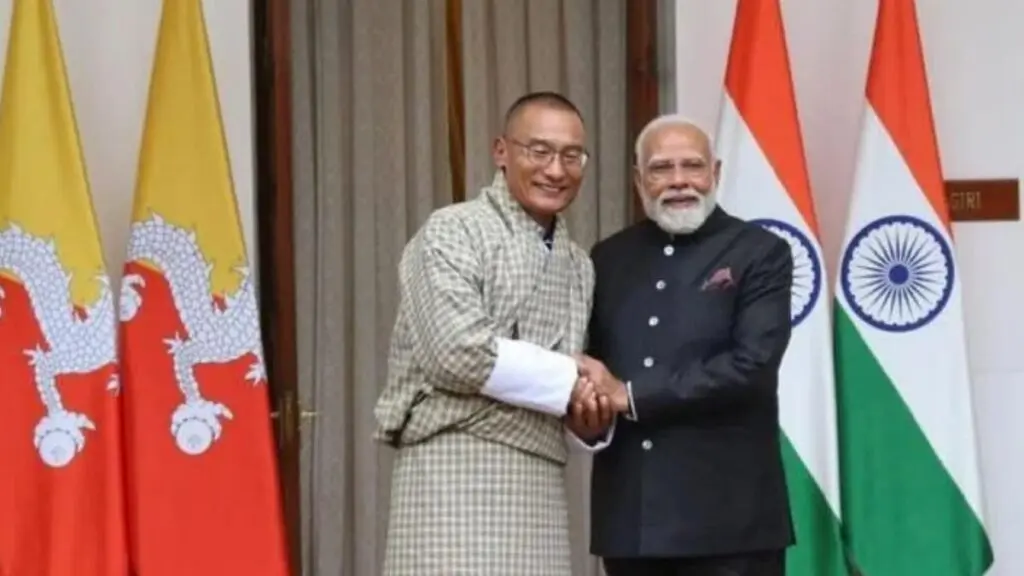
Prime Minister Narendra Modi has concluded a visit to the UAE anchored by energy agreements that aim to insulate India from the fallout of the Middle East war, the South China Morning Post reports. The visit gains urgency from the UAE’s surprise exit from Opec last month, which frees it to pump beyond its quota of 4.8 million barrels a day and produce preferential supply pacts for partners including India, which imports about a tenth of its oil from the Gulf state.
At the same time, the BBC reports, Modi publicly asked Indians to buy less gold, avoid non-essential travel and consume less fuel, an appeal that unsettled financial markets. India’s foreign exchange reserves have fallen $38 billion since the Iran war began, oil prices sit above $100 a barrel, and economists at Nomura project the fiscal deficit will widen to 4.6 per cent of GDP by March 2027. There is no imminent default risk, reserves cover 11 months of goods imports, but demand for dollars is outpacing supply.
Global investor Ruchir Sharma called the current indifference toward India the worst in 30 years, while the chief economic adviser warned that keeping external balances in check will be the year’s biggest macroeconomic challenge.
Indian Opinion Analysis
SCMP frames Modi’s Gulf visit as an opportunistic energy hedge, focusing on the UAE’s Opec exit and long-term supply deals without mentioning Modi’s domestic austerity appeal. BBC frames the same visit as a symptom of India’s deepening dollar shortage, leading with Modi’s plea to citizens and quoting bankers and economists. Neither outlet is overtly partisan, but SCMP’s focus on diplomatic gains subtly reinforces official optimism, while BBC’s emphasis on consumer pain and fiscal stress conveys urgency. The middle ground is that Modi is pursuing both tracks simultaneously: locking in supply abroad while managing demand at home. The key number to watch is India’s fiscal deficit projection of 4.6% of GDP by 2027.
Coverage: 2 sources, 2 neutral
Sources (2): scmp.com (neutral report), bbc.com (neutral report)
This story was synthesised by AI from the 2 sources linked above. Methodology and corrections.
Updated: this story now draws on 2 sources.