
















Now Reading: Trump’s 50% tariff on Brazil and 25% on India: what’s behind it
-
01
Trump’s 50% tariff on Brazil and 25% on India: what’s behind it


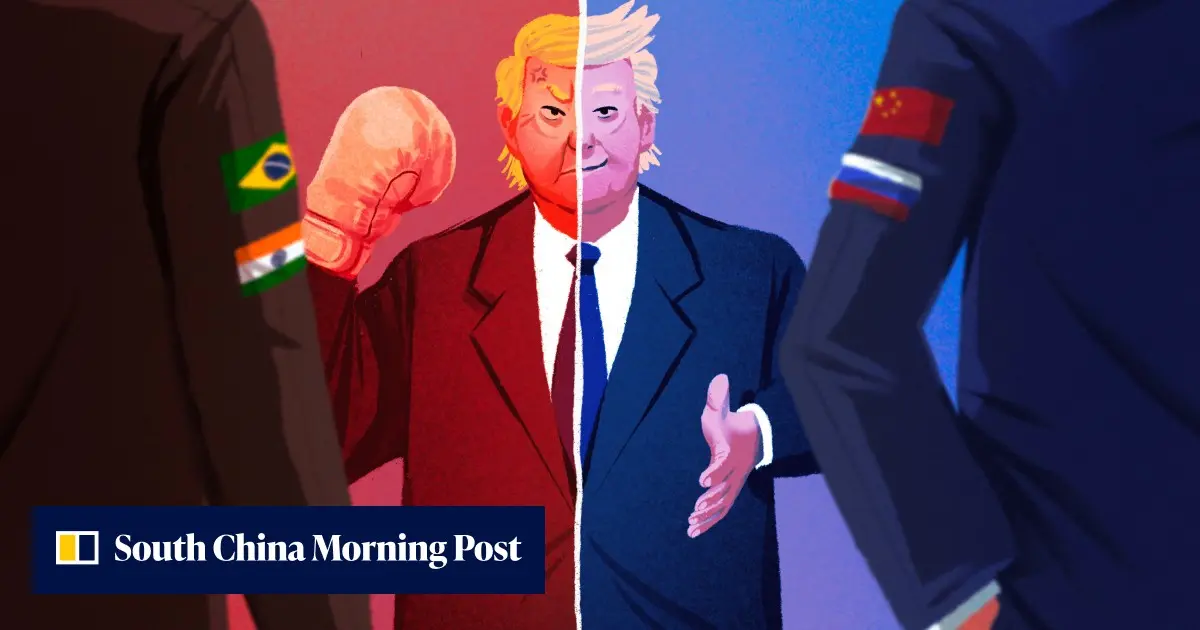
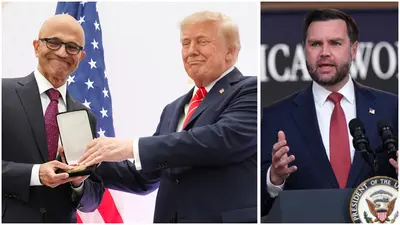
US President Donald Trump raised duties on Brazilian goods to 50% in early July, up from 10% in April, citing national security. Brazil's cross-party delegation, including allies of both President Luiz Inácio Lula da Silva and former president Jair Bolsonaro, flew to Washington last month to lobby against the tariff but the White House refused to meet them. Only retiring Republican senator Thom Tillis agreed to talk, while Democrats were sympathetic but powerless.
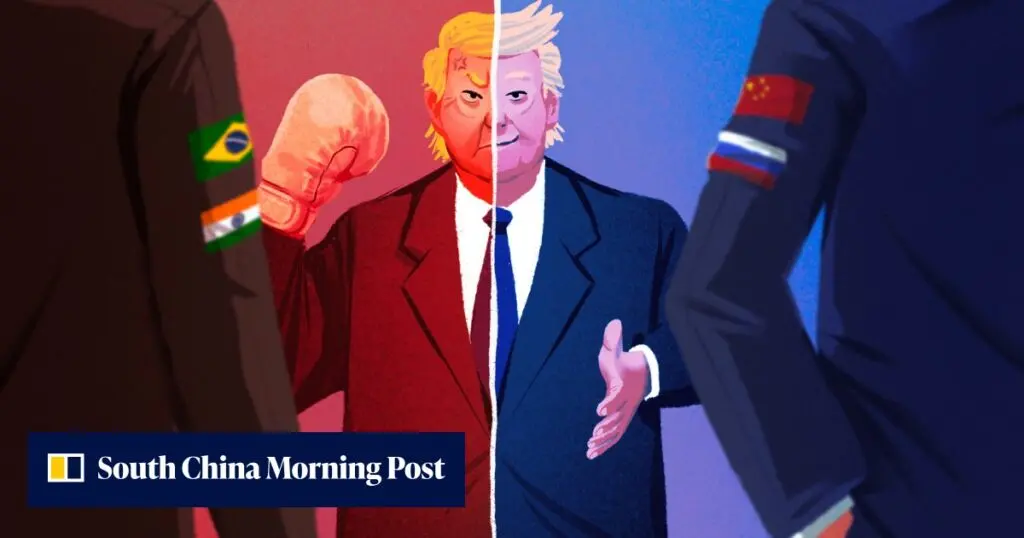
Trump also slapped a 25% tariff on Indian goods after months-long trade deal talks hit a deadlock, despite previously teasing a deal as 'coming soon'. India, long seen by Washington as a key democratic counterweight to China in the Indo-Pacific, faces similar levies and sharp public rebukes. In Brasilia, many saw the Brazil tariff as payback for what Trump claims was Brazil's meddling in Bolsonaro's fate after the former president was accused of attempting a coup in 2021.
Indian Opinion Analysis
The tariff escalation signals a shift in US trade policy from targeting only strategic rivals like China to also pressuring traditional allies. For India, the 25% levy threatens exports in sectors like pharmaceuticals, textiles and IT services, which together account for billions of dollars annually. Brazil's 50% tariff could hit its agricultural exports hard, especially soy and beef. The next signal to watch is whether either country retaliates with reciprocal tariffs, which could escalate into a broader trade war. New Delhi's next move will likely come during the next round of bilateral trade talks, if any are scheduled.
Source: scmp.com
This story was synthesised by AI from the source linked above. Methodology and corrections.