









Now Reading: Nishad vote emerges as key factor in UP 2027 battle amid Ayodhya fish row
-
01
Nishad vote emerges as key factor in UP 2027 battle amid Ayodhya fish row

Nishad vote emerges as key factor in UP 2027 battle amid Ayodhya fish row


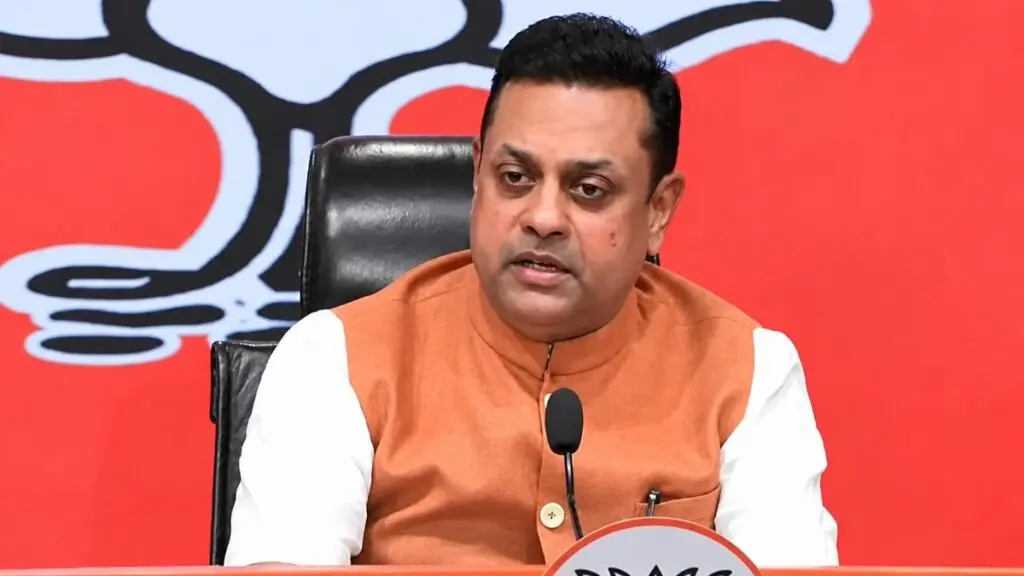
A political row over fish being served at a Nishad community event in Ayodhya during the holy month of Sawan has highlighted the electoral significance of the community ahead of the 2027 Uttar Pradesh assembly polls. The controversy began when UP minister Sanjay Nishad claimed fish cooked without garlic and onion could be considered vegetarian, and escalated after a video showed Congress state president Ajay Rai at a Nishad event where fish was being prepared.
Rai denied eating fish and challenged Chief Minister Yogi Adityanath to produce evidence, daring him to prove the allegation. The BJP has seized on the incident to accuse the Congress of disrespecting Hindu traditions, while opposition parties defend the community's dietary customs.
The Nishad community, classified as Other Backward Classes, is estimated to form 4.5-5 per cent of Uttar Pradesh's electorate but is concentrated in over 160 assembly constituencies, particularly across the Ganga-Yamuna belt and eastern UP. The community has previously shifted political loyalties, and both the BJP and opposition are now vying for its support in 2027.
Indian Opinion Analysis
The Nishad community's political weight stems from its dense concentration in key seats rather than its statewide percentage. In 2022, the BJP allied with Sanjay Nishad's party to consolidate non-Yadav OBC votes, a strategy that helped it win 255 of 403 seats. The Congress, hoping to rebuild in UP after winning just two seats in 2022, cannot afford to alienate any bloc. The row over fish is the first visible test of whether the BJP can use cultural flashpoints to hold its OBC coalition together and prevent the opposition from making inroads. The next state election is in early 2027, and both sides will watch how Nishad community leaders respond to the BJP's criticism of their traditional practices.
The row also tests the Congress's ability to handle identity politics in a state where it has been marginalised for over three decades.
Source: timesofindia.indiatimes.com
This brief was synthesised by AI from the source linked above. Methodology and corrections.