

















Now Reading: NIT Rourkela patents hydrogel method using discarded proteins
-
01
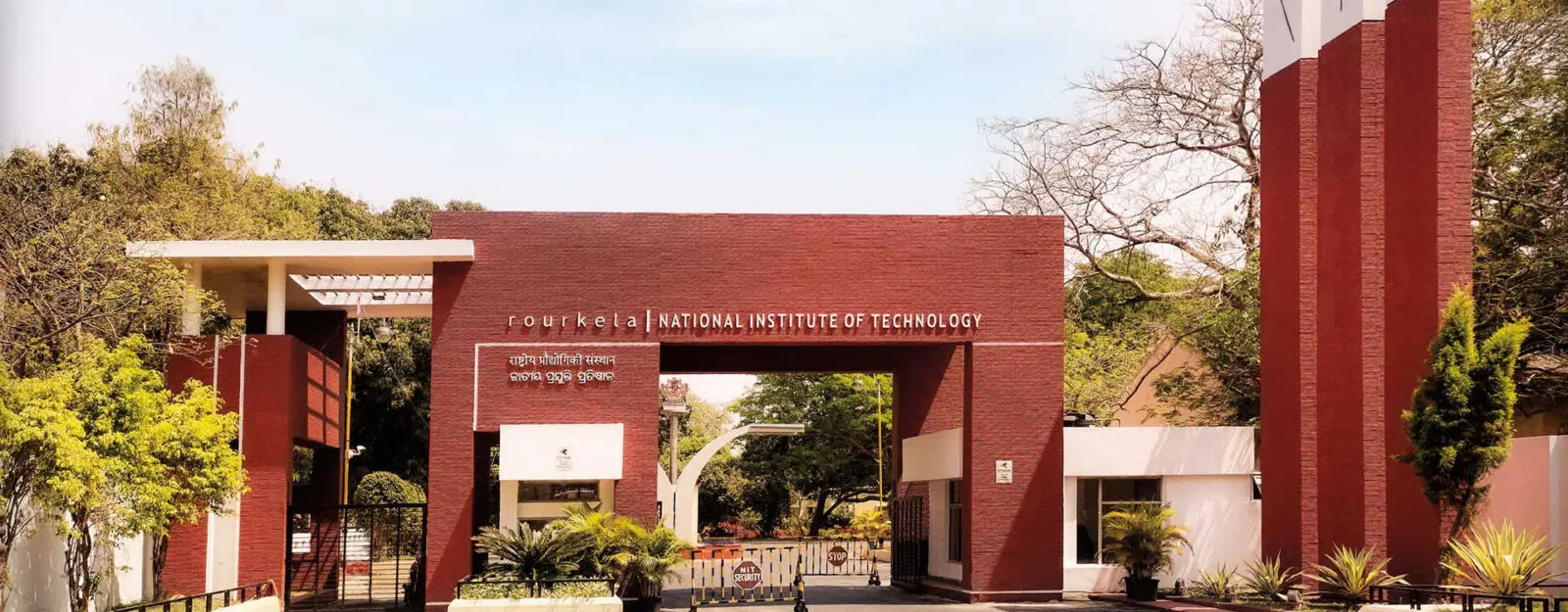
NIT Rourkela patents hydrogel method using discarded proteins


AI-generated illustration
The Story in Brief
Researchers at the National Institute of Technology Rourkela have patented a method to convert inactive proteins discarded by pharmaceutical companies into hydrogels for possible use in wound healing, tissue regeneration and drug delivery. The research has been published in the Royal Society of Chemistry’s Journal of Materials Chemistry.

The team heated bone morphogenetic protein-2 to about 85 degrees Celsius for 10 minutes, then used hydrogen peroxide and hyaluronic acid to form a porous gel. Laboratory tests found that it could retain and release the antibiotic ampicillin and support fibroblast growth. Researchers assessed wound-healing efficacy in Drosophila melanogaster, but said biocompatibility must still be established in higher animal models before clinical trials.

Indian Opinion Analysis
Hindustan Times and Rediff present a uniform, straight report centred on the patent, the processing method and laboratory findings. Orissa Post carries the same account but inserts unrelated promotional material about a fertiliser study, which distracts from the hydrogel research. The shared reporting supports a limited reading: the material has shown drug-release and cell-growth potential in laboratory and Drosophila testing, but it has not cleared the higher-animal biocompatibility stage. That stage must be completed before clinical trials, according to Monalisa Mishra.
Coverage: 2 sources, 2 neutral
Sources (2): Syndicated copy (carried by hindustantimes.com, orissapost.com), rediff.com (neutral report)
This brief was synthesised by AI from the 2 sources linked above, so one read covers every framing they carry. Methodology and corrections.