



















Now Reading: NSB proposes 100 new ships to cut $75 billion foreign freight bill
-
01
NSB proposes 100 new ships to cut $75 billion foreign freight bill



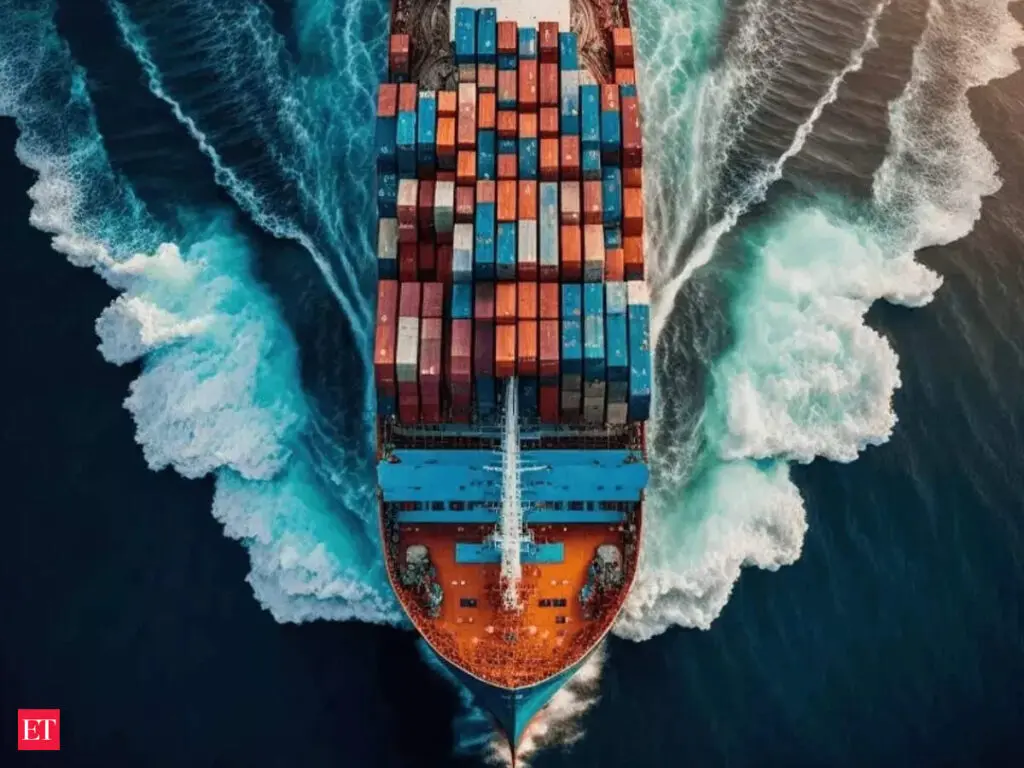
India's National Shipping Board (NSB) has proposed a five-point roadmap to add 100 vessels to the country's merchant fleet over five years, aiming to reduce dependence on foreign shipping lines. The plan was discussed at the inaugural Sagar Samvad event on August 24, 2026, themed around Maritime India Vision 2030 and Maritime Amrit Kaal Vision 2047.
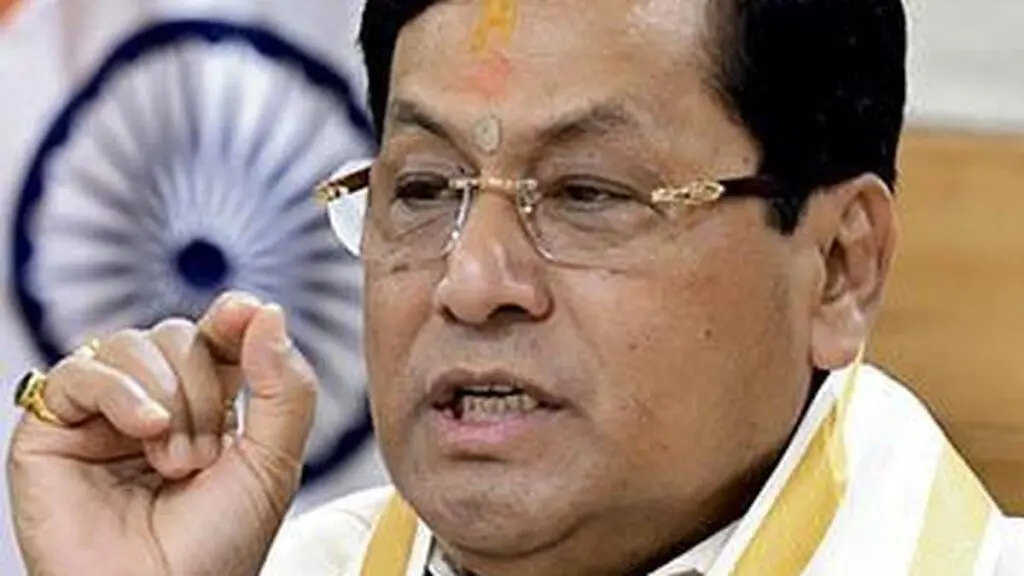
Union Minister Sarbananda Sonowal welcomed the roadmap, saying the measures would help Indian shipowners participate in the expanding maritime economy. The Hindu reports that panelists noted operating under the Indian flag remains 16 to 20 percent costlier than under foreign flags due to taxes and higher financing costs. Livemint adds that industry executives said the cost disadvantage makes it difficult to expand fleets under the Right of First Refusal framework.
India currently pays close to $75 billion annually in freight charges to foreign lines for crude oil, gas, coal and urea. The roadmap includes fiscal reforms, assured cargo support, competitive financing, regulatory streamlining, and improved ease of doing business. The government aims to make India one of the world's top five ship-owning nations by 2047.
Indian Opinion Analysis
Both The Hindu and Livemint provide neutral, factual coverage of the NSB proposal, with no discernible pro-government or critical slant. Each outlet reports the cost disadvantage and the government's ambition without editorialising. The key takeaway is the tension between the $75 billion outflow and the 16-20 percent cost premium for Indian flags, which the proposed fiscal reforms are meant to close. The measure of success will be whether the five-point roadmap can lower that cost gap and translate into 100 new vessels by 2031.
Livemint adds context on India's current fleet of 1,544 vessels and the 92 vessels added in FY26, and notes that access to low-cost capital is critical. The story's practical significance lies in whether the NSB's fiscal and regulatory reforms can overcome the financing disadvantage that keeps Indian operators uncompetitive.
Coverage: 2 sources, 2 neutral
Sources (2): thehindu.com (neutral report), livemint.com (neutral report)
This brief was synthesised by AI from the 2 sources linked above, so one read covers every framing they carry. Methodology and corrections.
Updated: this story now draws on 2 sources.