











Now Reading: Onam legend of King Mahabali’s annual return explained
-
01
Onam legend of King Mahabali’s annual return explained


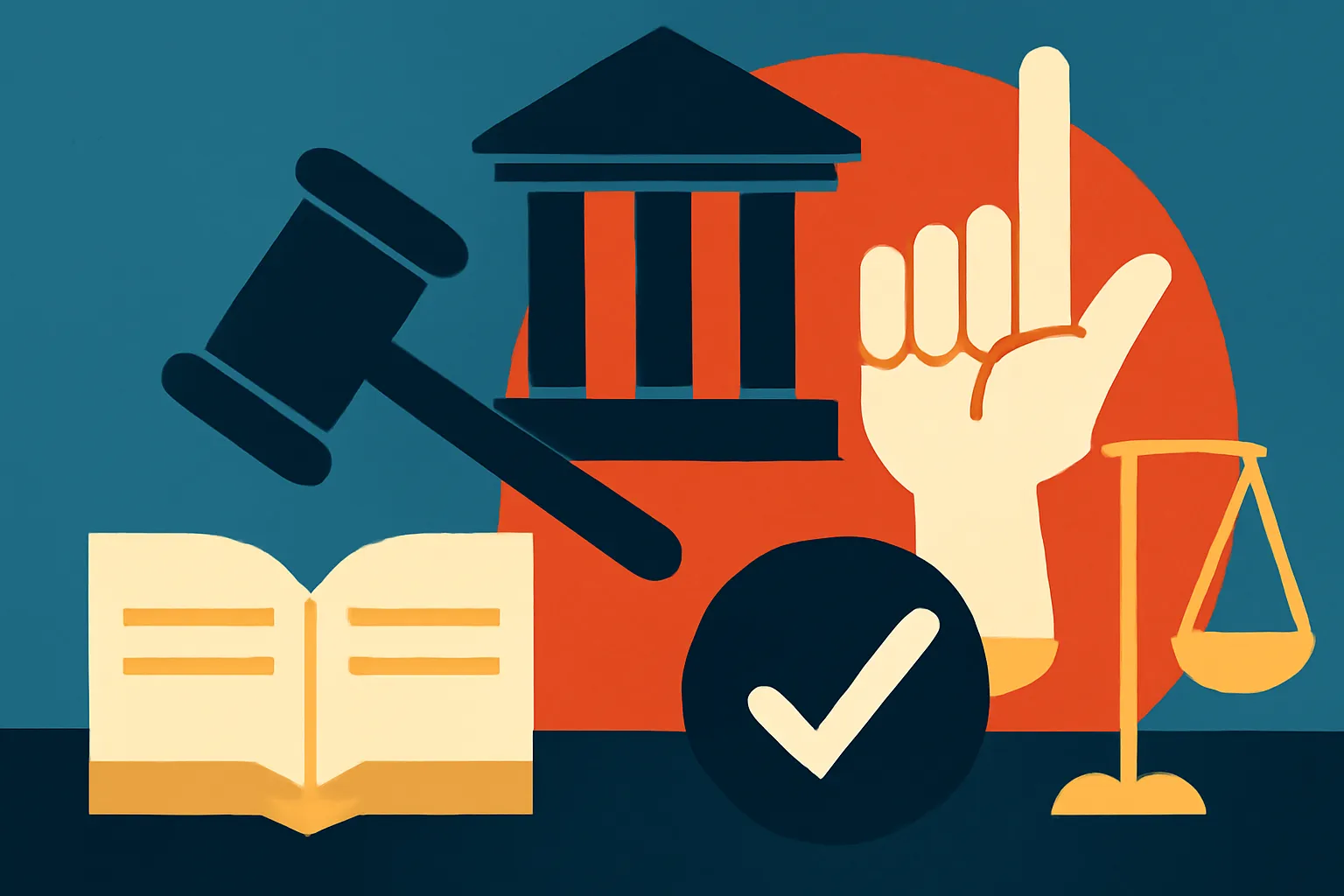
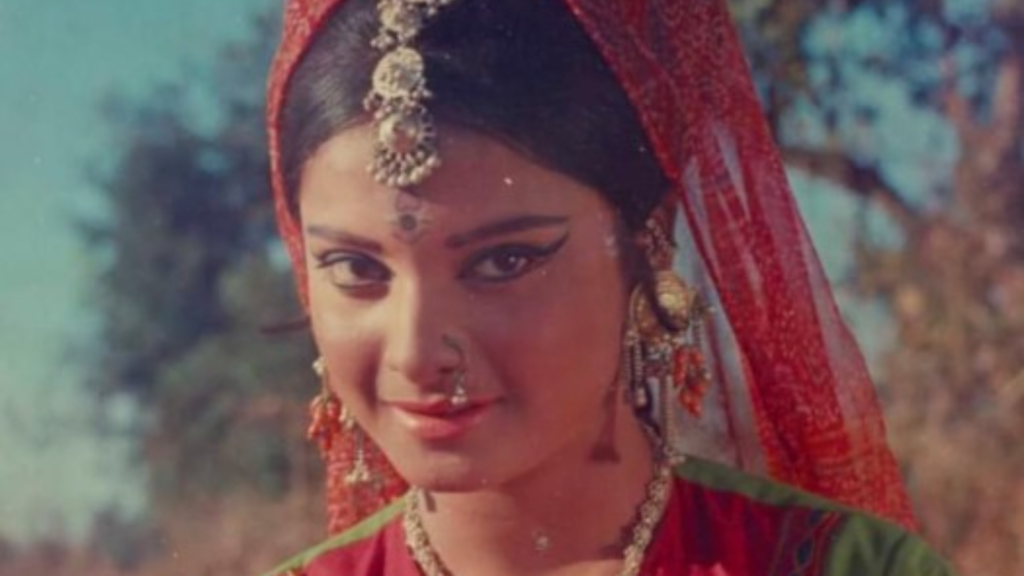
Onam, the harvest festival of Kerala, celebrates the annual return of the mythological King Mahabali to visit his people. Two articles present the legend with contrasting emphases. Deccan Herald frames the story as a commentary on justice and righteousness in governance, drawing parallels to biblical and Gandhian ideals. ABP Live offers a straightforward retelling of the myth, explaining that Lord Vishnu, in his Vamana avatar, sent Mahabali to the underworld but granted him the boon of returning to Earth once a year.
The ABP Live article focuses on the narrative details: Mahabali, an Asura king known for generosity and justice, was so popular that gods grew worried. When Vamana asked for three steps of land, Mahabali offered his own head for the third step. Pleased, Vishnu allowed Mahabali to visit Earth annually. In Kerala, people welcome him with floral decorations and traditional feasts.
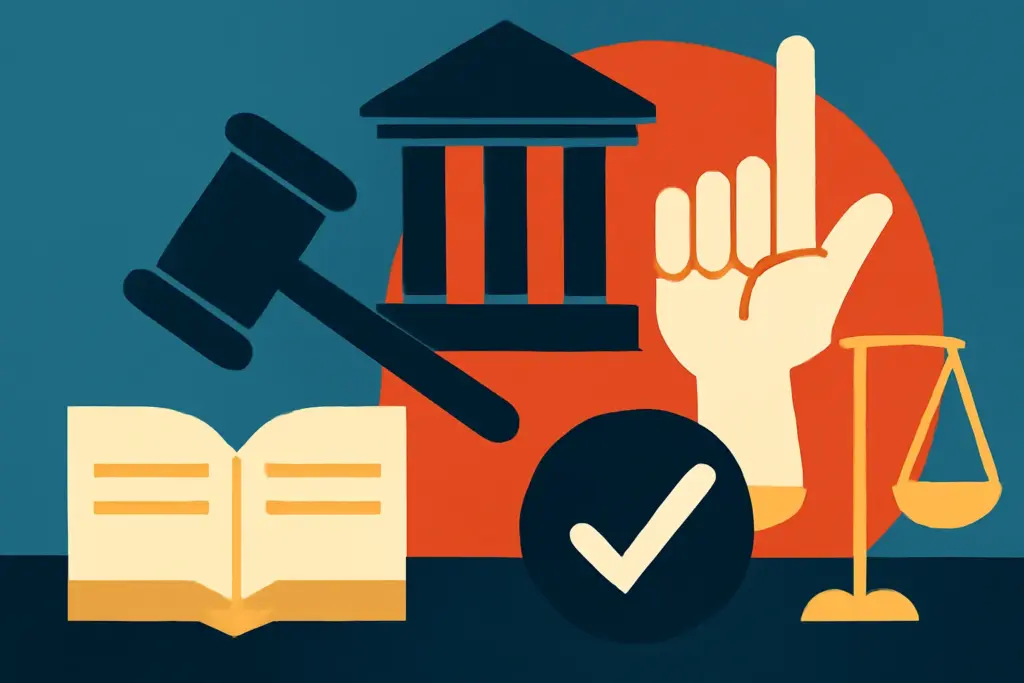
Deccan Herald uses the story to reflect on the tension between earthly rule and spiritual authority, suggesting that principles of justice cannot be erased by power. It connects the Onam legend to broader religious teachings about righteous living and the return of a just king.
Indian Opinion Analysis
The coverage differs sharply in purpose. ABP Live reports the myth neutrally as a cultural and religious story, with no political framing. Deccan Herald, however, uses the Onam legend to critique modern governance, suggesting that true righteousness outlasts political or priestly power. This editorial choice turns a festival story into a comment on justice and authority. The balanced reading is that the festival retains its core spiritual meaning while also being open to contemporary interpretation by different outlets.
Onam celebrations continue across Kerala on 26 August 2026.
Coverage: 2 sources, 1 government-critical, 1 neutral
Sources (2): deccanherald.com (government critical), news.abplive.com (neutral report)
This brief was synthesised by AI from the 2 sources linked above, so one read covers every framing they carry. Methodology and corrections.
Updated: this story now draws on 2 sources.