









Now Reading: Onam sadya goes to restaurants as monsoon failure hits Kerala crops
-
01
Onam sadya goes to restaurants as monsoon failure hits Kerala crops


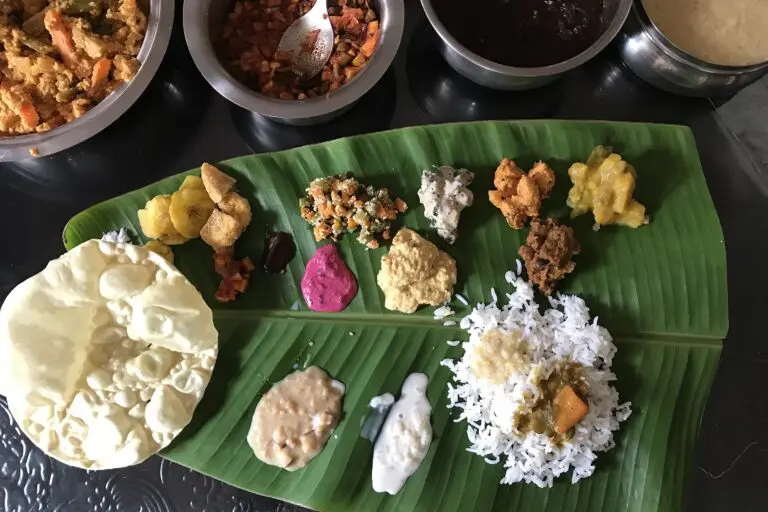
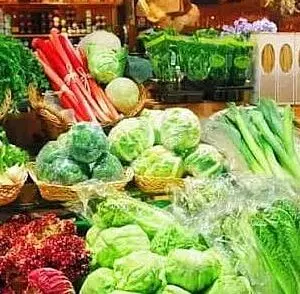
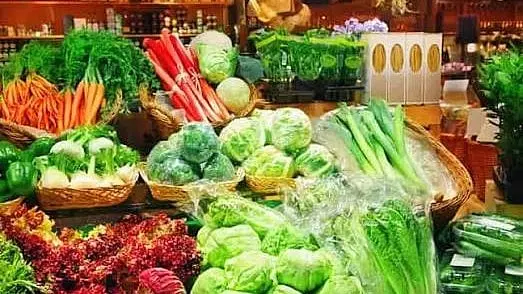
Kerala's Onam feast is shifting from home kitchens to restaurants and caterers this year, driven by crop losses after a deficient monsoon and by changing consumer habits. India.mongabay.com reports that a dry July followed by heavy August rain destroyed paddy, plantains, and vegetables across 45,904 farms, with initial losses estimated at ₹127 crore. Farmers like P. Vijayalakshmi, 72, bought a packet sadya for the first time after her crops perished.
The Hindu notes that traditional sadya now costs ₹250, ₹1,500 per person, up from ₹180, ₹1,200 last year, and that beef sales rise during Onam. Both sources agree that ordering the feast is common, with Thiruvananthapuram, Thrissur, and Ernakulam leading orders. The agriculture department's final damage assessment is awaited after the festival.
Indian Opinion Analysis
India.mongabay.com frames the Onam feast shift as a distress signal from monsoon failure: crop losses, farmer debt, and empty markets. The Hindu frames it as a consumer-led evolution: rising costs, changing tastes, and convenience. The agriculture department's ₹127 crore loss estimate appears only in the first source, the second source attributes price hikes to standardised menus and LPG costs, not weather. Neither source quantifies how much of the feast market is driven by each cause. The balanced reading is that both supply shocks and demand shifts are real, but their relative weight is unmeasured. The agriculture department's full damage assessment, expected after the festival ends, will clarify the crop-loss scale.
Coverage: 2 sources, 1 government-critical, 1 neutral
Sources (2): india.mongabay.com (government critical), thehindu.com (neutral report)
This brief was synthesised by AI from the 2 sources linked above, so one read covers every framing they carry. Methodology and corrections.
Updated: this story now draws on 2 sources.