













Now Reading: Once mediation settlement signed, party can’t withdraw: Jharkhand HC
-
01
Once mediation settlement signed, party can’t withdraw: Jharkhand HC


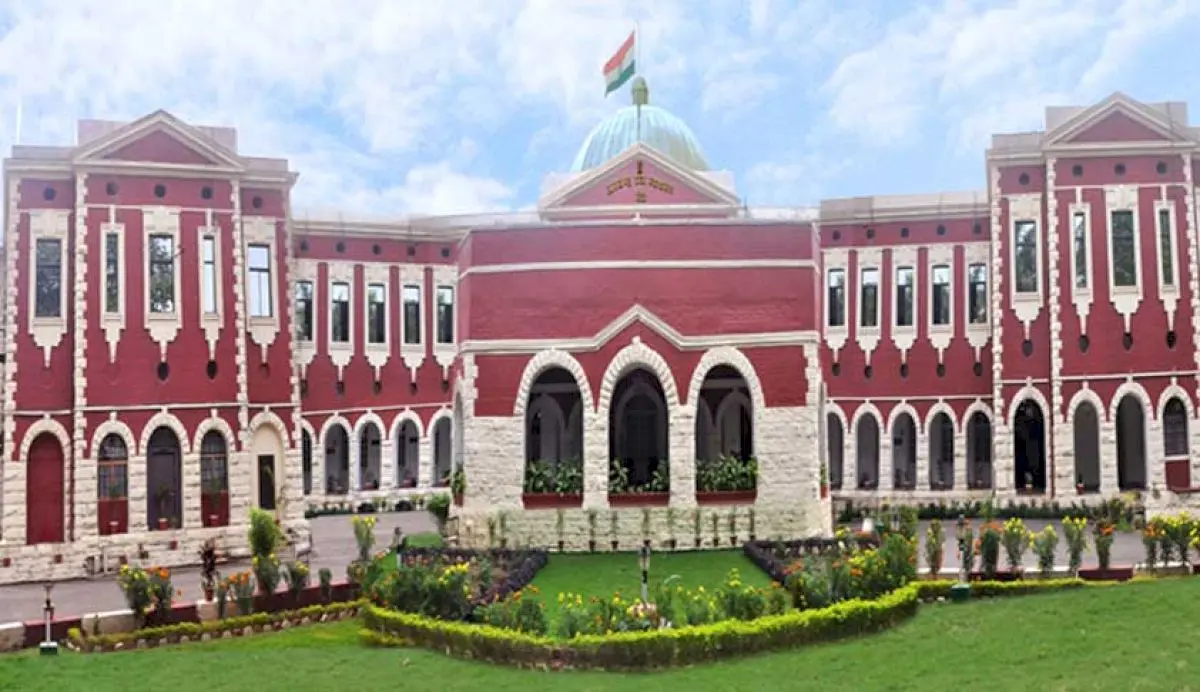
The Jharkhand High Court has ruled that a settlement reached through court-annexed mediation, signed by the parties, cannot be unilaterally withdrawn just because one party later changes their mind. The right to…
The Story in Brief
The Jharkhand High Court has ruled that a settlement reached through court-annexed mediation, signed by the parties, cannot be unilaterally withdrawn just because one party later changes their mind. The right to withdraw exists only during the mediation process, not after a binding settlement is executed. A Division Bench said such a settlement is enforceable as a judgment or decree, citing the Mediation Act, 2023.

The ruling came in a divorce appeal where the wife tried to back out after signing a joint compromise. The court directed both parties to comply with the settlement terms, applying the doctrine of estoppel: a party cannot take benefits under a settlement and then deny it.
The Indian Opinion
The notion that mediation settlements are soft or reversible is finally put to rest. This ruling strengthens the Mediation Act, 2023, by giving signed agreements the weight of a court decree. Some may cry foul about coercion, but the court rightly noted the doctrine of estoppel: you cannot take benefits and then deny. The real test will be how many future parties attempt to withdraw after signing, and whether lower courts uniformly enforce this principle.
Source: livelaw.in
This story was synthesised by AI from the source linked above.