















Now Reading: Delhi solar scheme gets 77,000 registrations in 3 weeks
-
01
Delhi solar scheme gets 77,000 registrations in 3 weeks


The Story in Brief
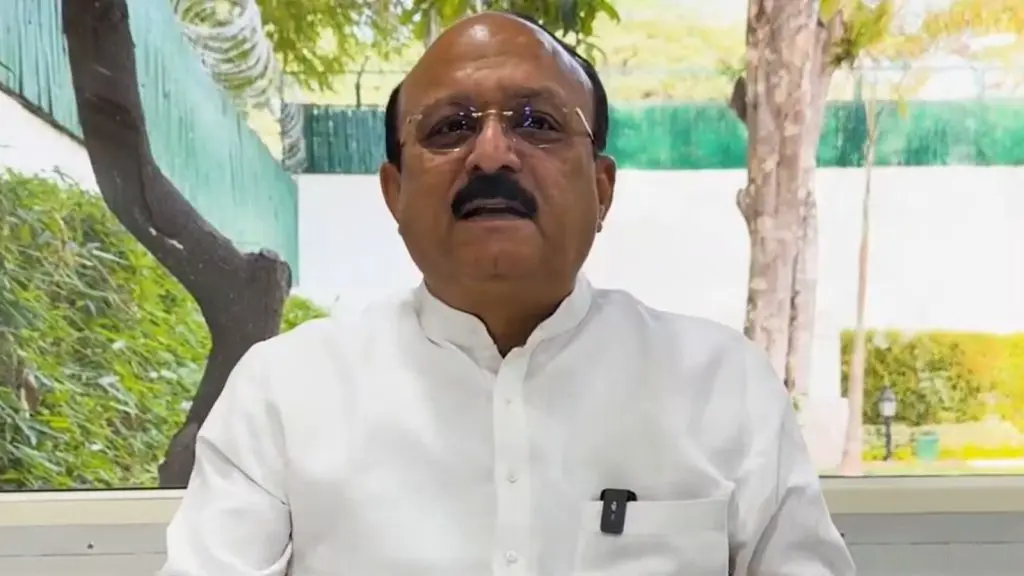
Over 77,000 households have registered for Delhi’s rooftop solar scheme since its launch on 21 September, Power Minister Ashish Sood said, crossing one-third of the target of 2.3 lakh units by 31 March 2027. East and Central Delhi led with 27,197 applications, followed by North and North-West Delhi with 26,788, and South and West Delhi with 23,925.
The scheme offers a combined central and state subsidy of up to Rs 1.56 lakh, covering the full cost for households consuming up to 400 units a month. Sood said the response from rural areas and unauthorised colonies was especially strong. Earlier slow adoption was partly attributed to the existing subsidy that gives free power for up to 200 units a month, reducing the incentive to invest in solar.
Separately, Uttar Pradesh has crossed 9 lakh rooftop solar installations under the same PM Surya Ghar Muft Bijli Yojana, adding over 3,000 MW of capacity, the Uttar Pradesh New and Renewable Energy Development Agency said. UPNEDA director Ravinder Singh said the state is adding 9-10 MW of domestic rooftop solar capacity daily, close to Australia’s average of 10.4 MW per day in the first half of 2026, and that the programme has generated over one lakh direct jobs through more than 9,500 vendors. Applications are open until 31 March 2027.
Update, 18 October 2026: The Hindu reports that the Puducherry government has disbursed Rs 10 crore in subsidy to 3,333 consumers who installed 3 kW rooftop solar plants under the same PM Surya Ghar Muft Bijli Yojana. The Union Territory’s share of Rs 30,000 per consumer was inaugurated by Minister A. Namassivayam on 17 October. The department has received 8,135 applications, with 6,452 installations completed totalling 23.32 MW.
Indian Opinion Analysis
The Delhi coverage from Indian Express and Times of India is uniform straight reporting, focusing on registration numbers and subsidy details with no discernible slant. Business Standard and Times of India’s Uttar Pradesh report are similarly neutral, presenting official data and international comparisons without commentary. The Hindu’s separate report on Puducherry adds a third state’s progress, also in neutral wire-copy style. Across all sources, the coverage is factual and agency-like, with no competing framings or editorialising. The consistent emphasis on subsidy figures and application deadlines suggests a coordinated rollout story rather than a contested one.
Coverage: 5 sources, 5 neutral
Sources (5): indianexpress.com (neutral report), timesofindia.indiatimes.com (neutral report), business-standard.com (neutral report), timesofindia.indiatimes.com (2) (neutral report), thehindu.com (neutral report)
This brief was synthesised by AI from the 5 sources linked above, so one read covers every framing they carry. Methodology and corrections.