












Now Reading: AIIMS Delhi Performs India’s First Robotic DBS Surgery
-
01
AIIMS Delhi Performs India’s First Robotic DBS Surgery


The Story in Brief
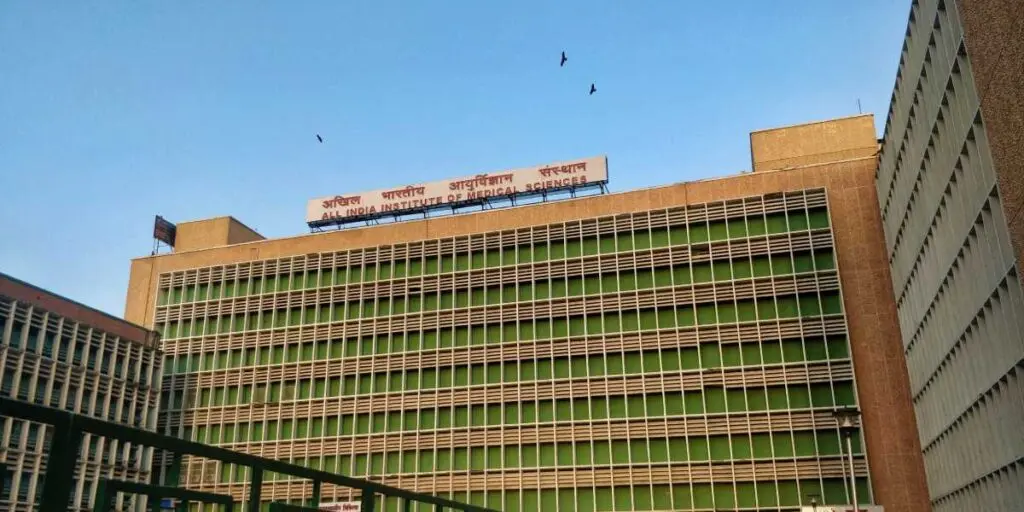
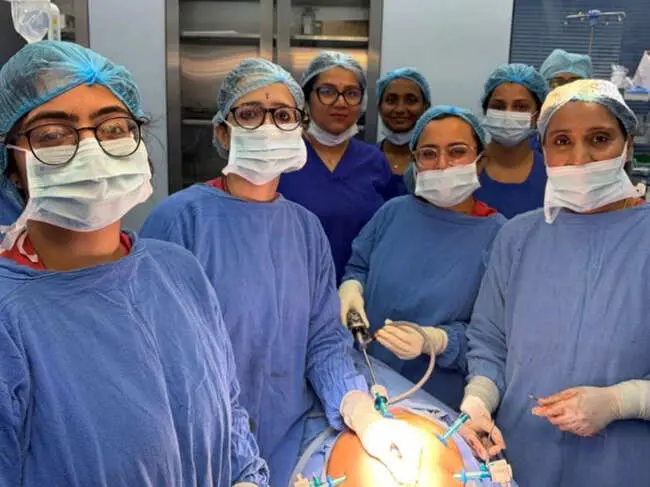
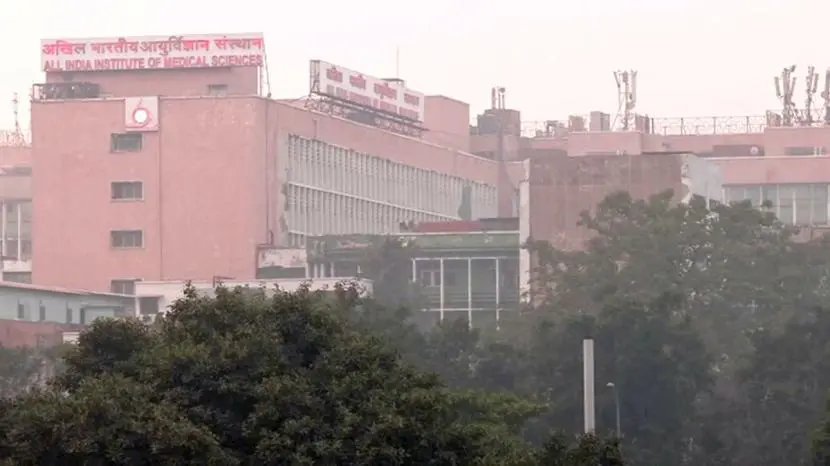
AIIMS Delhi has performed India’s first robotic-guided deep brain stimulation surgery for a patient with Parkinson’s disease. The procedure was conducted on 25 November by teams from AIIMS and Tel Aviv University, Israel, led by neurosurgeon Dr P Sarat Chandra, during a four-day workshop on movement disorders.
Deep brain stimulation uses electrodes to deliver electrical impulses that help control tremors, stiffness and slowed movement in selected patients whose symptoms are not adequately controlled by medication. The robotic system uses brain-signal analysis and microelectrode recording to guide electrode placement. The Indian Express reports that the approach may require less scalp opening, but says there is no direct evidence yet that it produces better long-term outcomes than conventional surgery. Comparative studies are needed.
Indian Opinion Analysis
Rediff.com and The Times of India frame the operation mainly as an Indian first and a precision advance, while The Indian Express gives greater space to its limits, cost and the absence of evidence for better long-term outcomes. The first two accounts explain the procedure and its international collaboration but do not foreground those cautions. The Indian Express also reports that the implant costs around Rs 10 lakh at AIIMS, while the surgery itself is technically free, a detail the other reports omit. Taken together, the coverage supports describing robotic DBS as a new technical option, not an established improvement over conventional surgery, pending comparative studies.
Coverage: 3 sources, 3 neutral
Sources (3): rediff.com (neutral report), indianexpress.com (neutral report), timesofindia.indiatimes.com (neutral report)
This brief was synthesised by AI from the 3 sources linked above, so one read covers every framing they carry. Methodology and corrections.