



















Now Reading: Panama Canal cuts daily ship transits to 32 as drought bites
-
01
Panama Canal cuts daily ship transits to 32 as drought bites


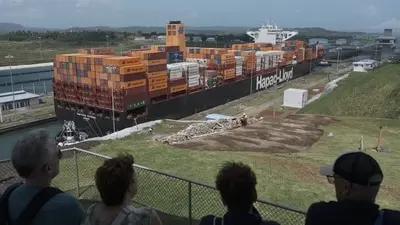
The Panama Canal Authority will cap daily transits at 34 ships from September 4 and 32 from September 15, down from an average of 35 earlier this year, as El Niño-driven drought depletes the fresh water in the lakes that feed its locks. A planned draft-limit cut for Neopanamax locks has been delayed to September 2, and a further cut to October 1, forcing vessels to carry less cargo per trip. The authority has not ruled out additional restrictions if rainfall remains below normal.

Rainfall in the canal's watershed from May to August was 34% below the historical average, and inflows to the Gatun and Alajuela lakes are 44% below normal. The waterway, which handles about 5% of global maritime trade and 40% of US container traffic, is also competing with drinking water demand for half of Panama's 4.2 million people. The auction for a slot last week fetched $4.6 million from an empty liquefied petroleum gas supertanker, the highest fee ever charged by the canal.
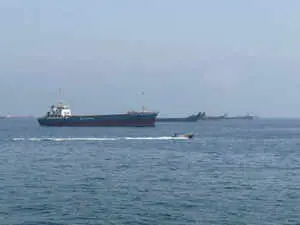
The restrictions come as shippers face reduced alternatives: the Suez route remains under threat from Houthi attacks in the Red Sea, and the Strait of Hormuz has been disrupted for over five months due to the US-Israel war against Iran. The Panama Canal previously cut transits to 22 during the 2023-24 drought, but the current shipping system has fewer safe options than before.
Indian Opinion Analysis
The Panama Canal’s fresh-water lock system has no engineering substitute for rainfall, unlike the Suez Canal, it cannot simply dredge deeper. The lakes Gatun and Alajuela are shared reservoirs: every ship transit releases roughly 200 million litres of fresh water to the sea, directly competing with drinking water for 2 million Panamanians. The canal typically moves about $270 billion worth of cargo annually, the current bottleneck creates a bidding war for slots that drives up freight costs for Indian importers of US LNG and grain. The 2026 expansion of the canal’s water recycling capacity is still years away. The next signal to watch is Panama’s rainfall data for October, which will determine whether the authority imposes deeper draft cuts or further transit reductions.
Source: hindustantimes.com
This story was synthesised by AI from the source linked above. Methodology and corrections.