








Now Reading: 1,500 idle ships in Hormuz risk marine bioinvasion: study
-
01
1,500 idle ships in Hormuz risk marine bioinvasion: study


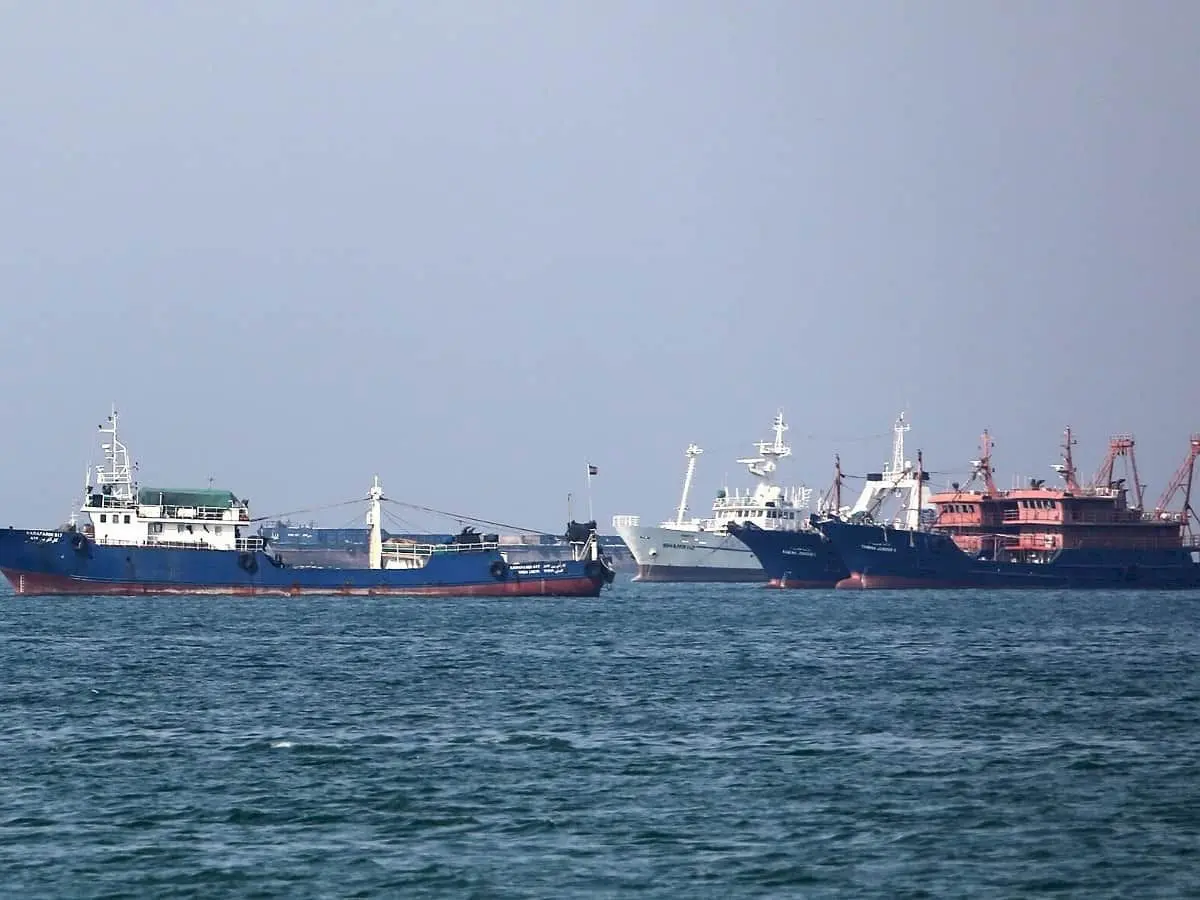
Research reported by Siasat.com warns that more than 1,500 commercial vessels laid up in the Persian/Arabian Gulf since February risk causing a marine bioinvasion 'super-spreader' event. The ships have accumulated biofouling on…
The Story in Brief
Research reported by Siasat.com warns that more than 1,500 commercial vessels laid up in the Persian/Arabian Gulf since February risk causing a marine bioinvasion 'super-spreader' event. The ships have accumulated biofouling on their hulls, which can introduce alien species that damage ecosystems, fisheries and coastal industries.

Only four global shipping choke points have no alternative routes, including the Strait of Hormuz. While Australia and New Zealand have strong biosecurity frameworks, the study says many ships carrying invasive species could arrive within a year. Pre-departure inspections and in-water cleaning are recommended.

The Indian Opinion
The focus on economic fallout of a Hormuz closure often ignores ecological risks. This study corrects that, but 'super-spreader' framing may overstate immediate danger given existing biosecurity at destination ports. However, the sheer number of idle vessels and lack of alternative routes make the threat real. The crucial test is whether Gulf ports will enforce pre-departure hull cleaning before these ships set sail again.
Source: siasat.com
This story was synthesised by AI from the source linked above.