












Now Reading: Panasonic struggles with India’s battery recycling targets
-
01
Panasonic struggles with India’s battery recycling targets


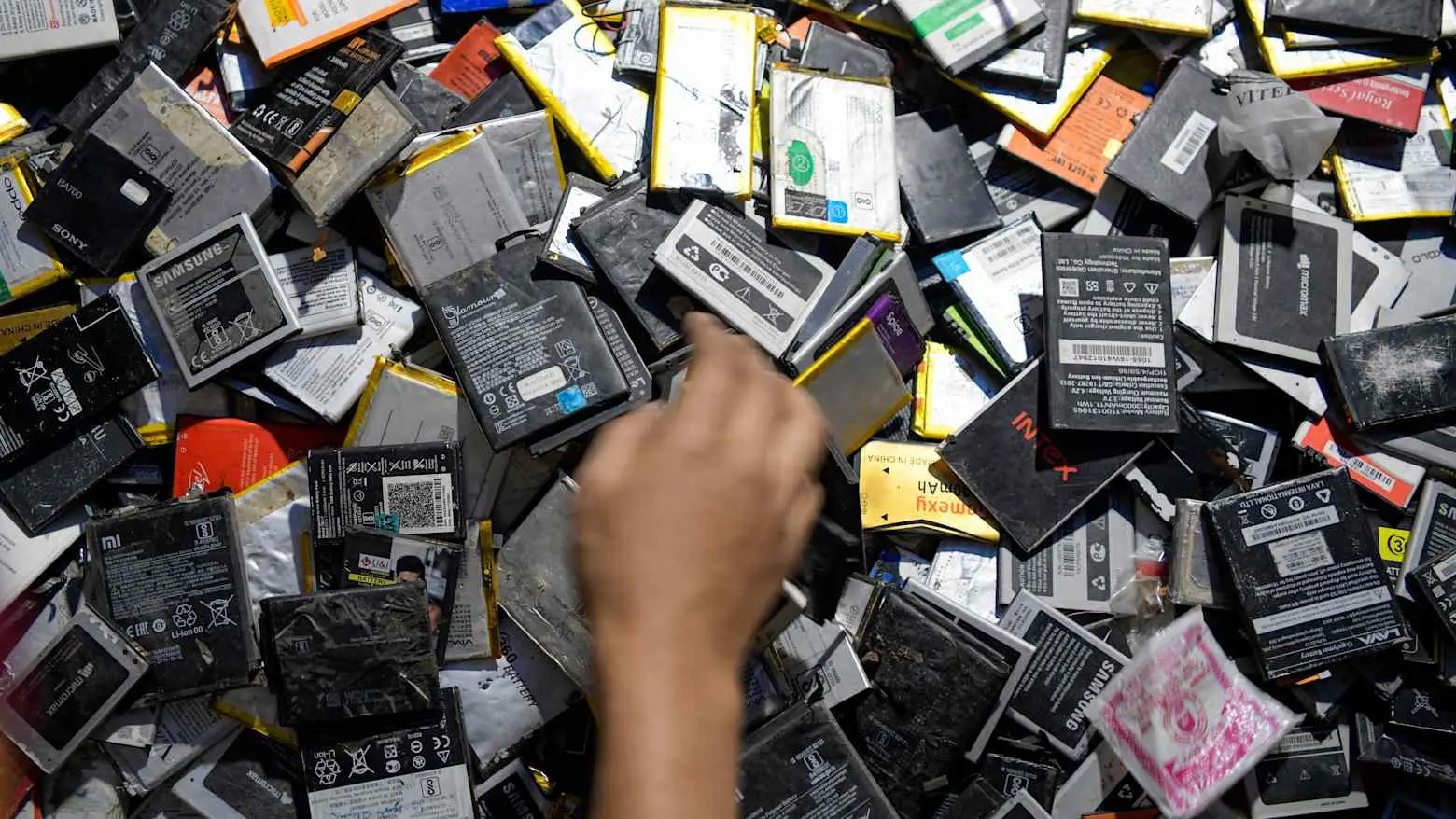
Panasonic and other companies are struggling to meet India's recycling targets for low-end batteries due to high costs and logistics challenges, according to Nikkei Asia. The difficulties are raising environmental concerns and hampering efforts to source critical minerals.

Failure to process lithium battery waste through official channels means it often goes through informal channels, where it is largely incinerated or landfilled, releasing toxic elements. The problem is centred in Rajasthan, where recycling infrastructure remains underdeveloped.
India has set recycling targets to secure critical minerals and reduce environmental harm, but the high cost of collection and transportation, especially for smaller batteries, makes compliance expensive. The next step is for the government to consider incentives or infrastructure support to make formal recycling viable.
Indian Opinion Analysis
India's battery recycling rules, part of the Battery Waste Management Rules 2022, require producers to meet collection and recycling targets that escalate over time. The real challenge is the economics: collecting small batteries from millions of households is far costlier per unit than industrial-scale battery waste. Without a deposit-return system or subsidy to offset logistics, compliance will remain unviable for many firms. Watch for the next compliance deadline and whether the government introduces financial incentives or relaxed targets for smaller batteries.
Source: asia.nikkei.com
This story was synthesised by AI from the source linked above. Methodology and corrections.