





















Now Reading: Point Nemo: spacecraft cemetery where astronauts are closest humans
-
01
Point Nemo: spacecraft cemetery where astronauts are closest humans

Point Nemo: spacecraft cemetery where astronauts are closest humans


Point Nemo in the South Pacific is the most remote spot on Earth, 2,688 km from the nearest land in any direction. Since 1971, over 263 retired spacecraft have been deliberately guided…
The Story in Brief
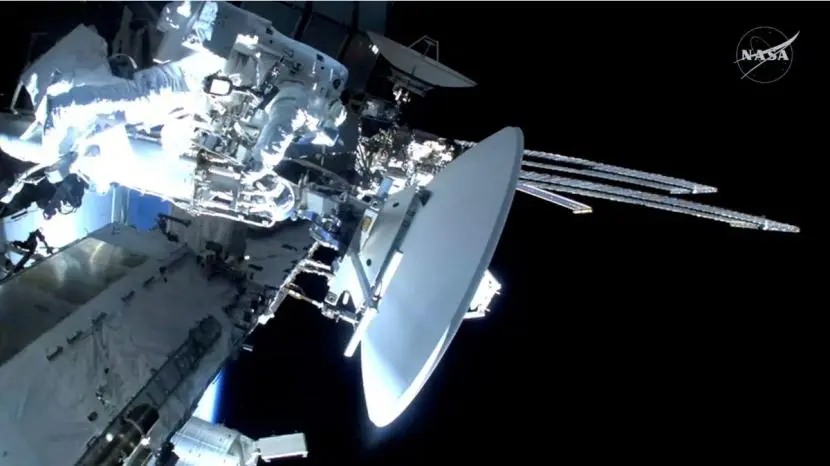
Point Nemo in the South Pacific is the most remote spot on Earth, 2,688 km from the nearest land in any direction. Since 1971, over 263 retired spacecraft have been deliberately guided into these waters, including Russia's Mir space station and America's Skylab. The area serves as a safe disposal site for space debris, reducing orbital junk and the risk of falling objects harming people on land.
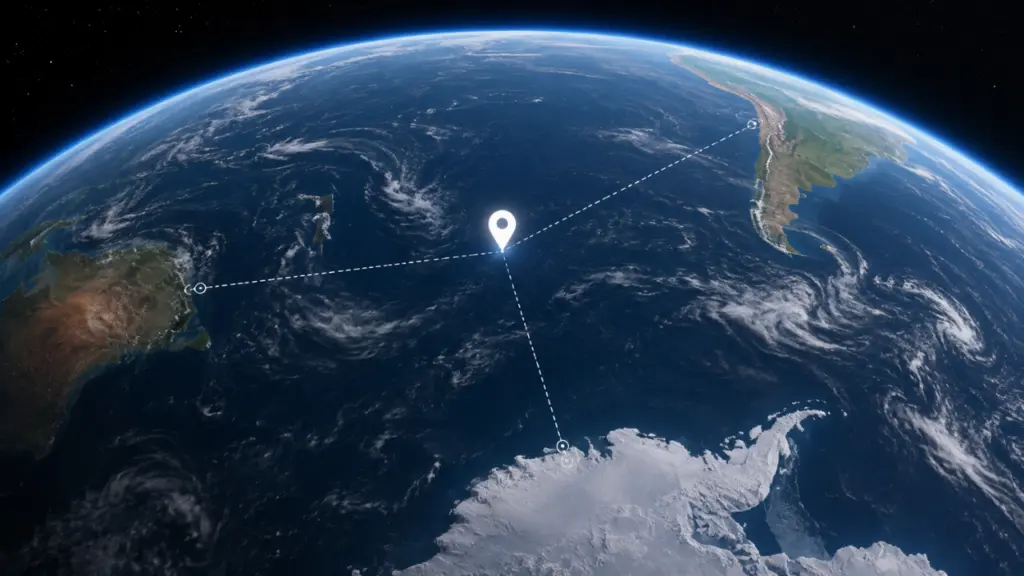
Yet the practice raises environmental concerns. According to a study cited by Times of India, 10 to 40 per cent of a spacecraft's mass can survive re-entry, often carrying toxic hydrazine fuel and radioactive components. The ocean floor hosts poorly studied ecosystems, and international law focuses on protecting human life, not marine life.
The Indian Opinion
The narrative that Point Nemo is a harmless solution ignores the unknown cost to deep-sea ecosystems. While it is safer than raining debris over cities, the steady accumulation of toxic and radioactive materials on the seabed may violate obligations under the law of the sea. As private launches increase, the number of controlled splashdowns will grow. A telling test: when the International Space Station is de-orbited there, will its impact assessment be published in full?
Source: timesofindia.indiatimes.com
This story was synthesised by AI from the source linked above.