












Now Reading: PoK traders threaten border action, direct trade with India
-
01
PoK traders threaten border action, direct trade with India


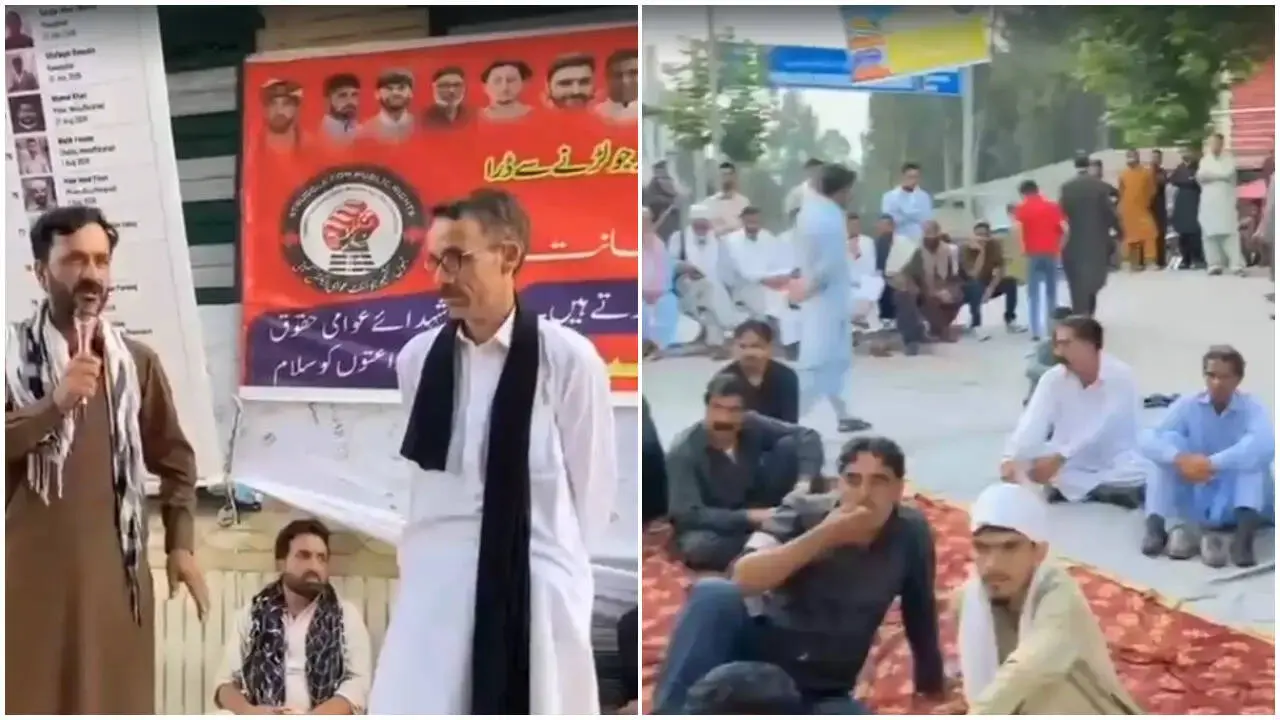
Traders in Pakistan-occupied Jammu and Kashmir (PoJK) have warned of escalating the crisis by shutting entry points and opening borders forcefully amid alleged restrictions on essential supplies. Sajid Azam, president of the Anjuman-e-Tajiran in Thorar, Poonch, said they could seek direct trade links with Indian areas including Poonch, Jammu and Srinagar.
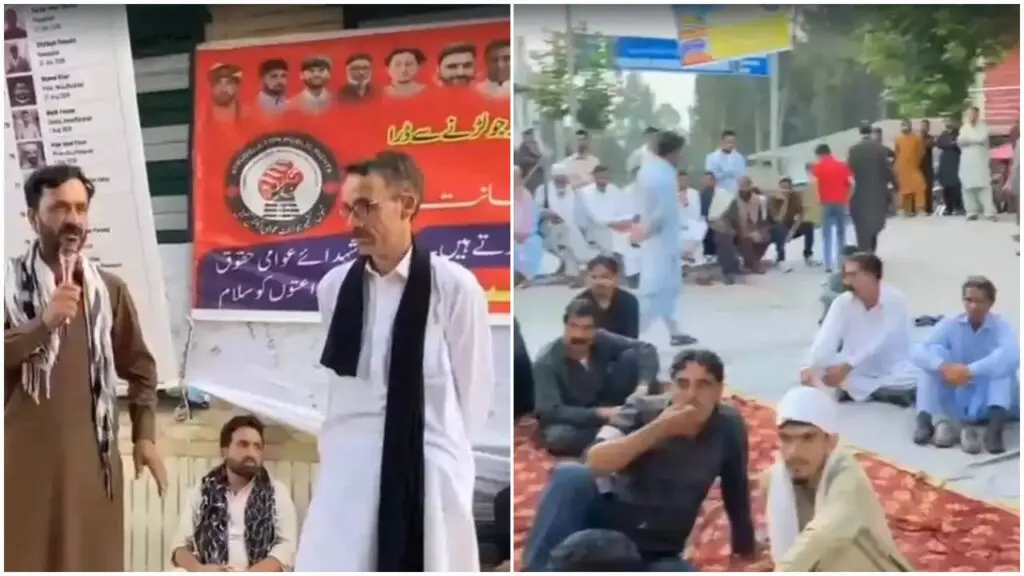
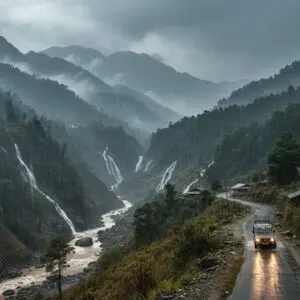
Freight vehicles carrying food, fuel and medicines have reportedly been stopped from entering parts of PoJK, worsening shortages. Pakistani authorities have denied imposing a blockade. The crisis comes against the backdrop of a prolonged anti-government movement by the Joint Awami Action Committee (JAAC) demanding economic relief, uninterrupted supplies, political reforms and changes to seat reservations in the PoJK Assembly.
The unrest has triggered a security crackdown, with casualty figures varying widely and difficult to verify independently. Kashmiri residents from PoJK abroad have staged protests against Pakistan in the UK and other countries. The traders' warning marks another significant escalation as the movement challenges Islamabad's control.
Indian Opinion Analysis
The threat to open border routes from PoJK directly challenges the Line of Control's decades-old status quo, which India and Pakistan have maintained through the 2003 ceasefire agreement and the 1972 Shimla Accord. For Pakistan, a supply disruption in its own territory risks inflaming a region already seething over the JAAC protests, which began over economic grievances but have expanded into political demands. The key figure to watch is the protest death toll: if independent estimates approach the 100 mark reported by some, international pressure on Islamabad will mount sharply. The next trigger could be any attempt by traders to physically open a border crossing, which would force a response from both Pakistani security forces and the Indian Army across the LoC.
Under the 1972 Shimla Accord, both countries agreed to respect the LoC and resolve disputes bilaterally.
Source: timesnownews.com
This story was synthesised by AI from the source linked above. Methodology and corrections.