















Now Reading: Egg and chicken prices drop as Shravan demand falls, costs squeeze farmers
-
01
Egg and chicken prices drop as Shravan demand falls, costs squeeze farmers

Egg and chicken prices drop as Shravan demand falls, costs squeeze farmers

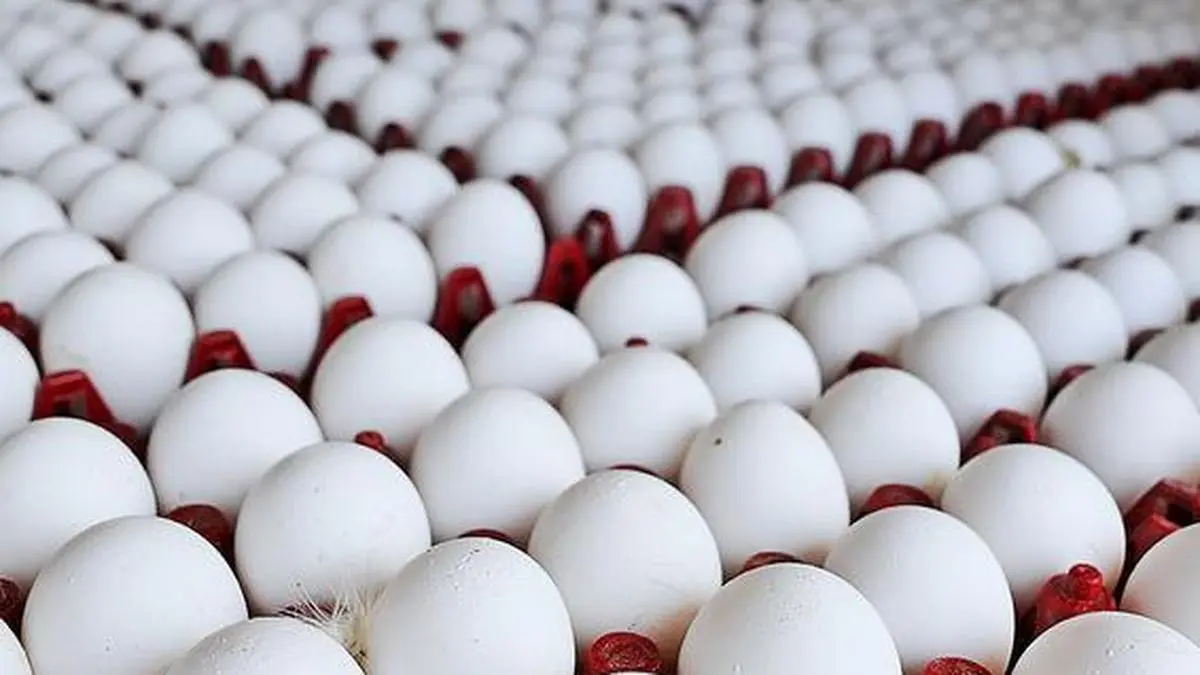
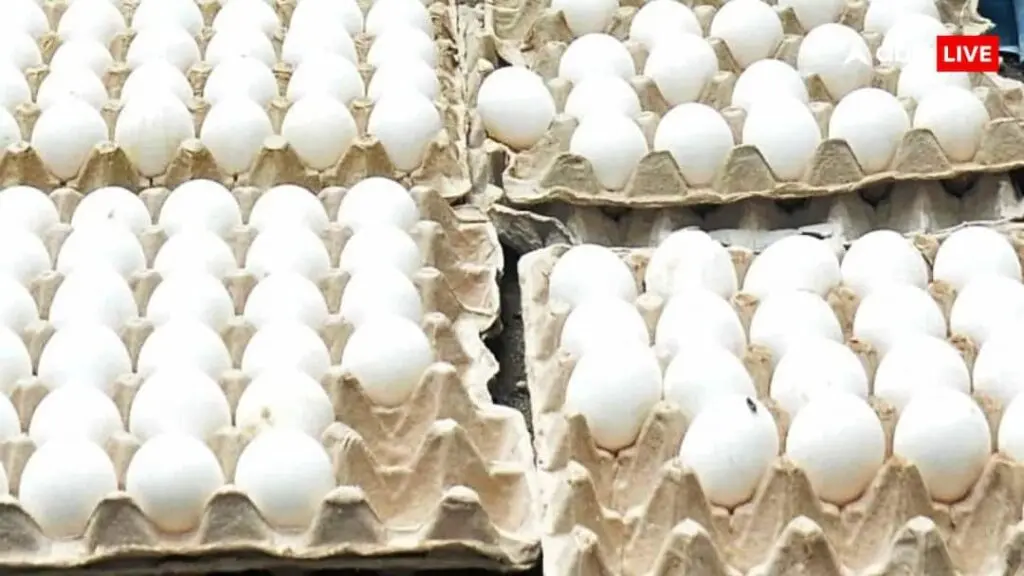
Egg and chicken prices have eased from recent highs due to lower demand during the Shravan period, but rising feed costs and supply pressures continue to squeeze poultry farmers, BusinessLine reports. Broiler chickens are selling at Rs 90-95 a kg and eggs at Rs 6-6.50 per piece, wholesale ex-farm. However, industry sources say prices will rise once Shravan ends. On Monday, the egg price at Namakkal was Rs 5.20, down from Rs 6.80 in mid-July.
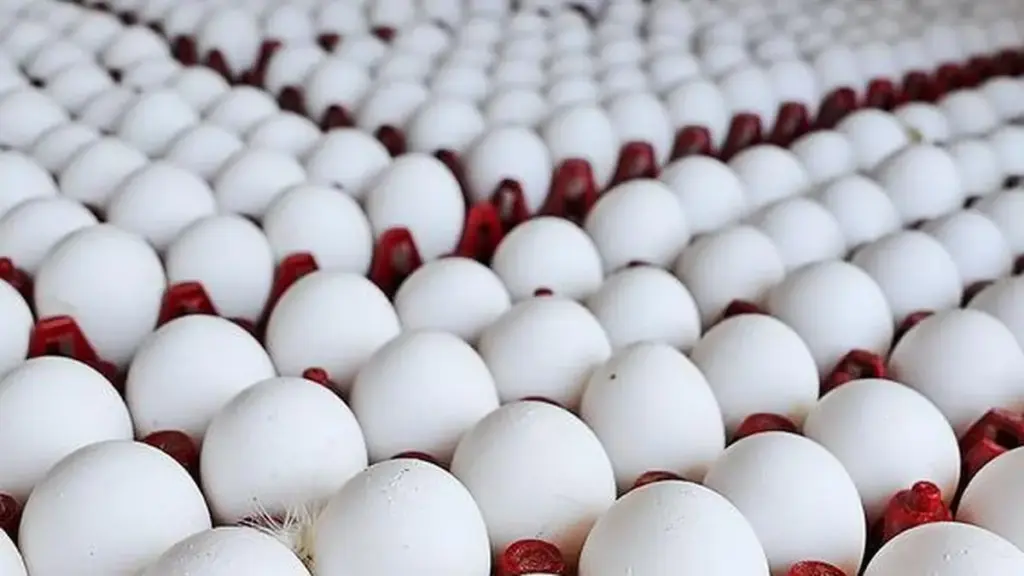
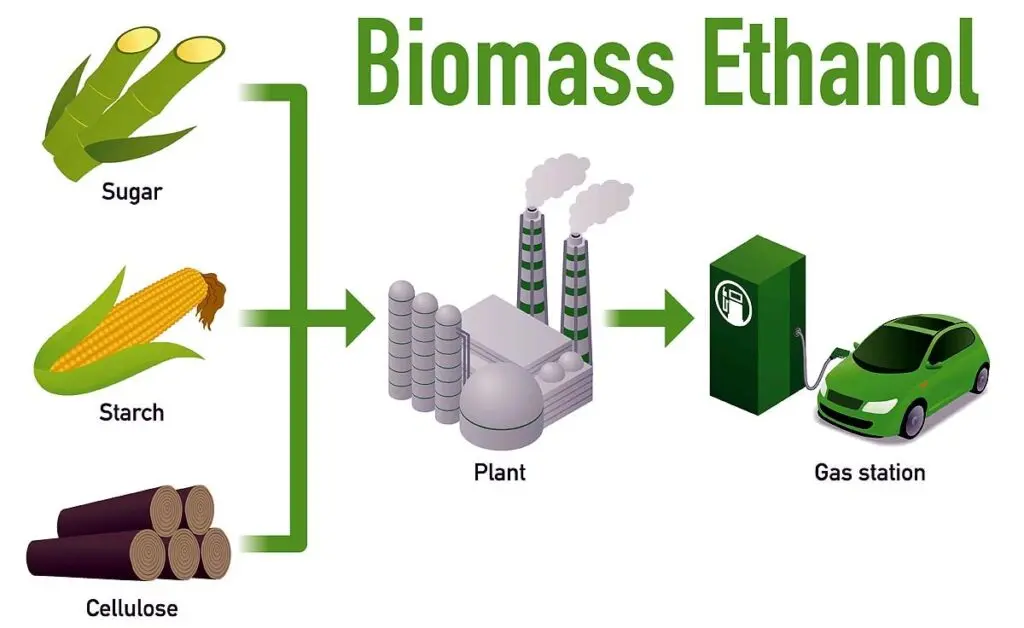
Separately, Livemint reports egg prices have surged 35-40% over the past year, with farm prices around Rs 7 per egg. It cites the National Egg Co-ordination Committee linking the rise to maize diversion for ethanol production: about 37% of India's maize now goes to ethanol distilleries, up from near 1 million tonnes in 2022 to 17 million tonnes in 2024. Maize prices have nearly doubled from Rs 14,000 per tonne three years ago to Rs 26,500 now. Feed accounts for 65-70% of poultry costs, squeezing margins.
Indian Opinion Analysis
BusinessLine frames the story around immediate seasonal demand drops and farmer losses despite elevated prices, quoting multiple industry bodies and highlighting structural challenges like feed inflation. Livemint frames it around ethanol policy-driven cost escalation, citing NECC and government targets, without mention of Shravan or farmer margins. Both agree on feed cost pressure but diverge on cause: BusinessLine emphasises supply constraints and culling, Livemint emphasises ethanol diversion. The composite picture suggests both short-term demand cycles and long-term policy competition for maize are driving price instability. The government's ethanol blending roadmap will remain a key variable for poultry costs.
Coverage: 2 sources, 2 neutral
Sources (2): thehindubusinessline.com (neutral report), livemint.com (neutral report)
This brief was synthesised by AI from the 2 sources linked above, so one read covers every framing they carry. Methodology and corrections.
Updated: this story now draws on 2 sources.