












Now Reading: Delimitation plan preserves South’s seat share but not its political clout
-
01
Delimitation plan preserves South’s seat share but not its political clout

Delimitation plan preserves South’s seat share but not its political clout


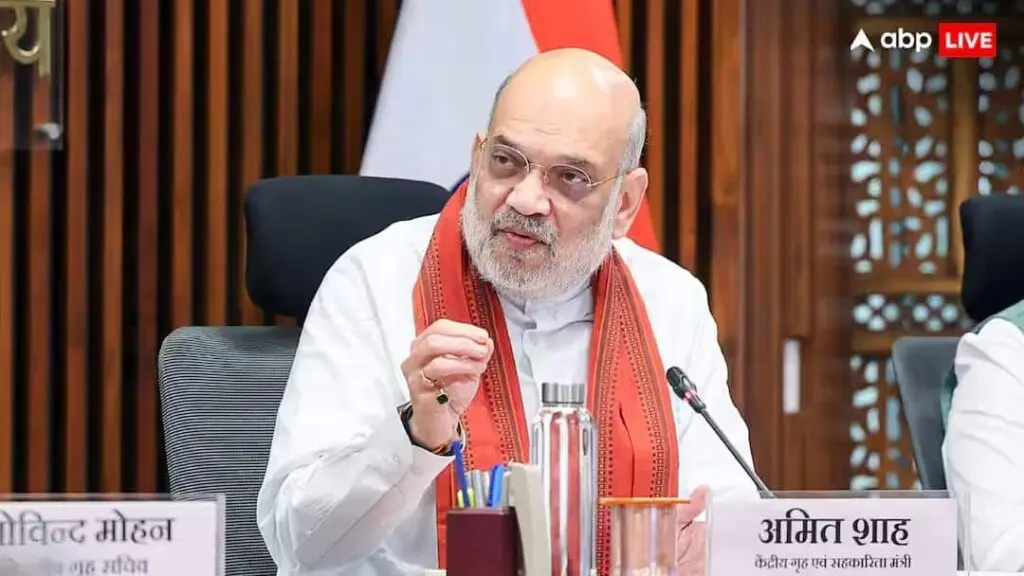
The government has renewed efforts to build consensus on delimitation and women's reservation, with reports suggesting a special Parliament session may be called. The proposal would expand the Lok Sabha from 543 to 816 seats, keeping the five southern states' share at roughly 24 per cent. ThePrint notes that the debate has missed the economic rationale: India's fast-growing urban population, projected to add 416 million urban dwellers by 2050, remains structurally underweighted in representation. Urban constituencies such as Malkajgiri and Bangalore North have 30-38 lakh electors but the same single vote as Lakshadweep with about 50,000 electors, ThePrint reports.

Indian Opinion Analysis
Both sources agree that the government is offering a proportional freeze to protect southern states' seat share, but they differ sharply on what this means. The Federal foregrounds the political risk: proportional protection does not equal political influence, because in an 816-member House the South would need 214 extra MPs from outside to reach a majority. ThePrint instead argues that the real issue is economic misalignment, with urban areas producing most value but having the weakest voice. The Federal also warns that a government promise cannot bind the independent Delimitation Commission unless written into the bill itself. A careful reader should note that the two pieces are asking different questions: one is about coalition arithmetic and federal trust, the other about growth and governance. Watch for whether the government incorporates the freeze into the statutory text when the bill is tabled.
Coverage: 2 sources, 1 government-critical, 1 neutral
Sources (2): thefederal.com (government critical), theprint.in (neutral report)
This story was synthesised by AI from the 2 sources linked above. Methodology and corrections.
Updated: this story now draws on 2 sources.