





















Now Reading: Qantas to cut 850 jobs, outsource most roles to India
-
01
Qantas to cut 850 jobs, outsource most roles to India


The Story in Brief
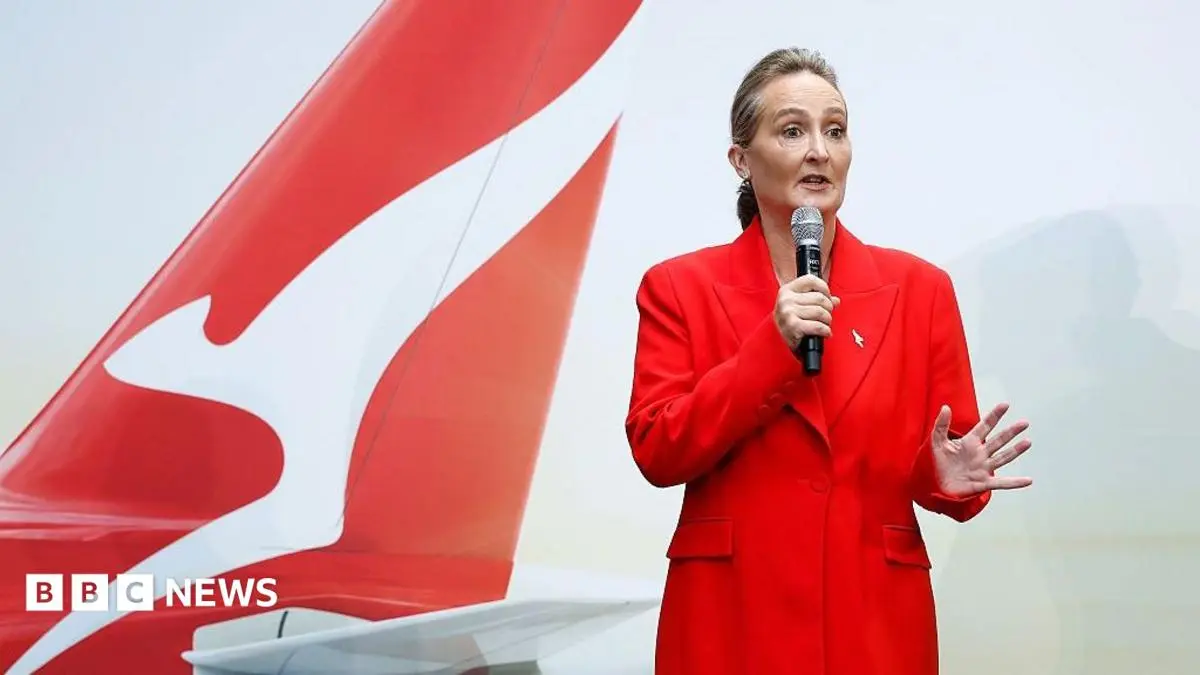
Qantas will outsource 850 local corporate jobs to Accenture, with most roles moving to India, as part of an AI-driven technology overhaul. CEO Vanessa Hudson told staff on Tuesday, 10 November, that the changes were ‘hard news’ and apologised for the uncertainty. The job cuts begin in mid-2027, covering finance, procurement, people and marketing roles, with redeployment offered where possible. Hudson said the airline needed to modernise legacy systems and reduce duplication, and that automation and AI would further transform the outsourced work in time.
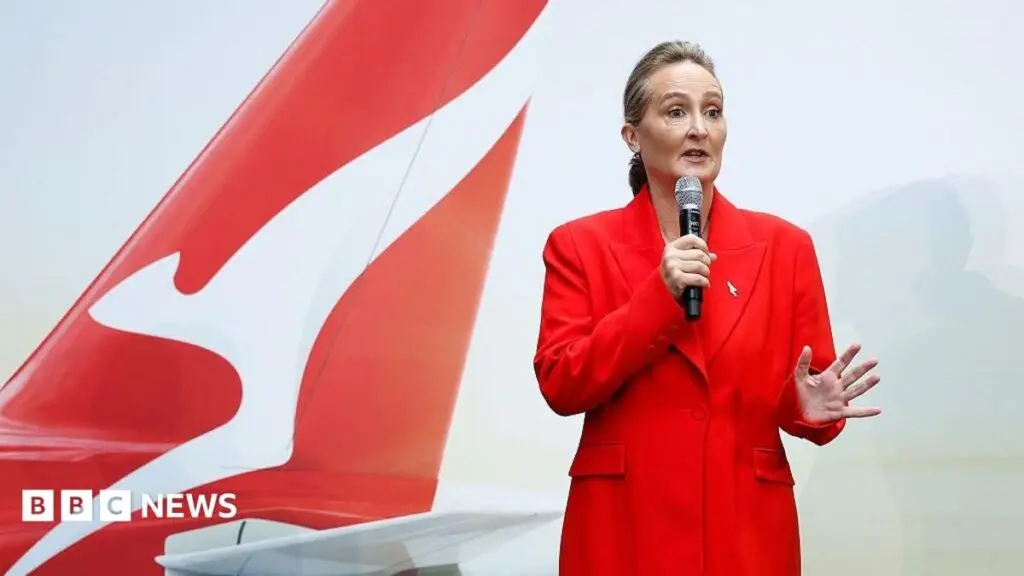
The Guardian notes the cuts mark the third major corporate layoff plan in Australia in three weeks, after restructures at NAB and Canva, affecting about 4,550 jobs in total. Qantas said it was in talks with unions and staff. The airline recently flagged fare increases amid higher fuel costs. The Australian Services Union has been contacted for comment by the BBC.
Update, 10 November 2026: The Economic Times now also reports the story, confirming the 850 job cuts, the Accenture deal, and the mid-2027 start. It adds that Qantas is embarking on its largest fleet renewal, with 31 new aircraft expected in the year ahead and the A380 fleet retirement planned from 2028.
Indian Opinion Analysis
The coverage of Qantas's 850-job cut and offshore move to India is uniform in factual detail: all three outlets report CEO Vanessa Hudson's apology, the mid-2027 start, the Accenture deal, and the AI rationale. The Guardian alone adds broader economic context, linking the cuts to rising living costs, a five-year-high unemployment rate, and two other recent Australian restructuring plans at NAB and Canva, which together total about 4,550 positions. The BBC and Economic Times stay closer to the airline's official framing, quoting Hudson's 'unprecedented' remark and the fleet renewal, without the Guardian's recessionary pressure. None of the sources takes a critical stance, leaving the union response and any political fallout unreported. The next named event is the first job changes taking effect by mid-2027.
Coverage: 3 sources, 3 neutral
Sources (3): bbc.com (neutral report), theguardian.com (neutral report), economictimes.indiatimes.com (neutral report)
This brief was synthesised by AI from the 3 sources linked above, so one read covers every framing they carry. Methodology and corrections.