




















Now Reading: Rafique Dada warns against ‘nationalisation of truth’ in interview
-
01
Rafique Dada warns against ‘nationalisation of truth’ in interview


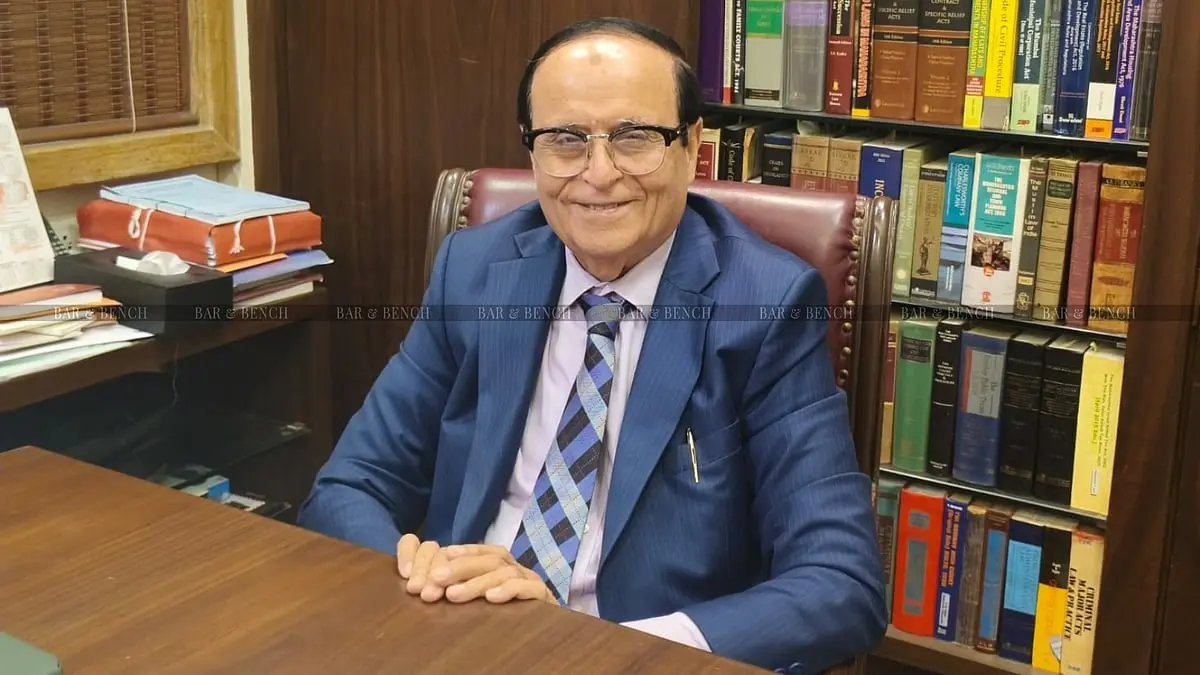
Senior Advocate Rafique Dada, speaking in an interview with Bar & Bench, cautioned that when truth is nationalised, society including judges begins to believe everything the State does is right. The 60-year legal veteran reflected on his journey from commerce student to gold-medal law graduate, noting that the Bar was not waiting for him and that the inclusive atmosphere of the library saved his early career.
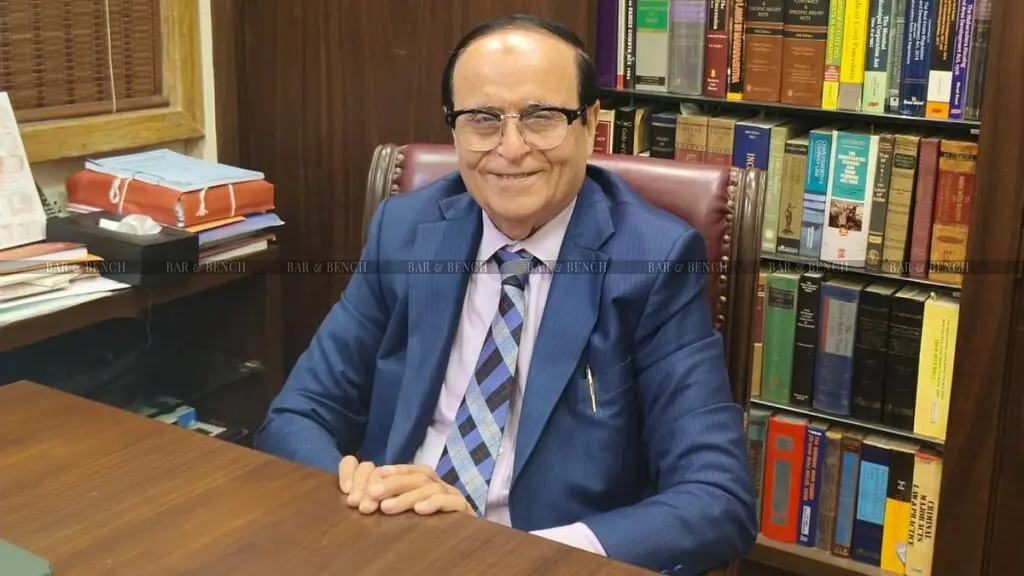
Dada recalled his father's advice that 'there is always room at the top' after he abandoned a scholarship to the London School of Economics to pursue law. He said teaching helped him stay in touch with legal developments and brought him in contact with students who later became outstanding lawyers and judges. Dada also described how he made pin money through debating and elocution contests after his merit scholarship stopped.
Indian Opinion Analysis
Dada's warning about the nationalisation of truth touches on a longstanding debate about judicial independence and the separation of powers in India. The comment comes amid growing scrutiny of how government narratives can influence public perception, including in courtrooms. Dada, who served as the country's first Additional Solicitor General for the western region, speaks from a rare vantage point: he has held public office while maintaining an apolitical stance. His observation that judges too can be swayed echoes concerns raised by legal scholars about the pressure on the judiciary in politically charged cases. The interview itself, published on 20 August 2026, offers a personal counterpoint to institutional trends, emphasising that persistence and integrity remain viable paths for young lawyers.
Key background: Dada mentored several judges now on the bench, giving his views added weight within the legal fraternity. The next step is how the broader legal community receives this critique, with bar council meetings and judicial conferences likely to discuss it.
Source: barandbench.com
This story was synthesised by AI from the source linked above. Methodology and corrections.