











Now Reading: Rahul Gandhi casts women as rights-holders in Pune
-
01
Rahul Gandhi casts women as rights-holders in Pune


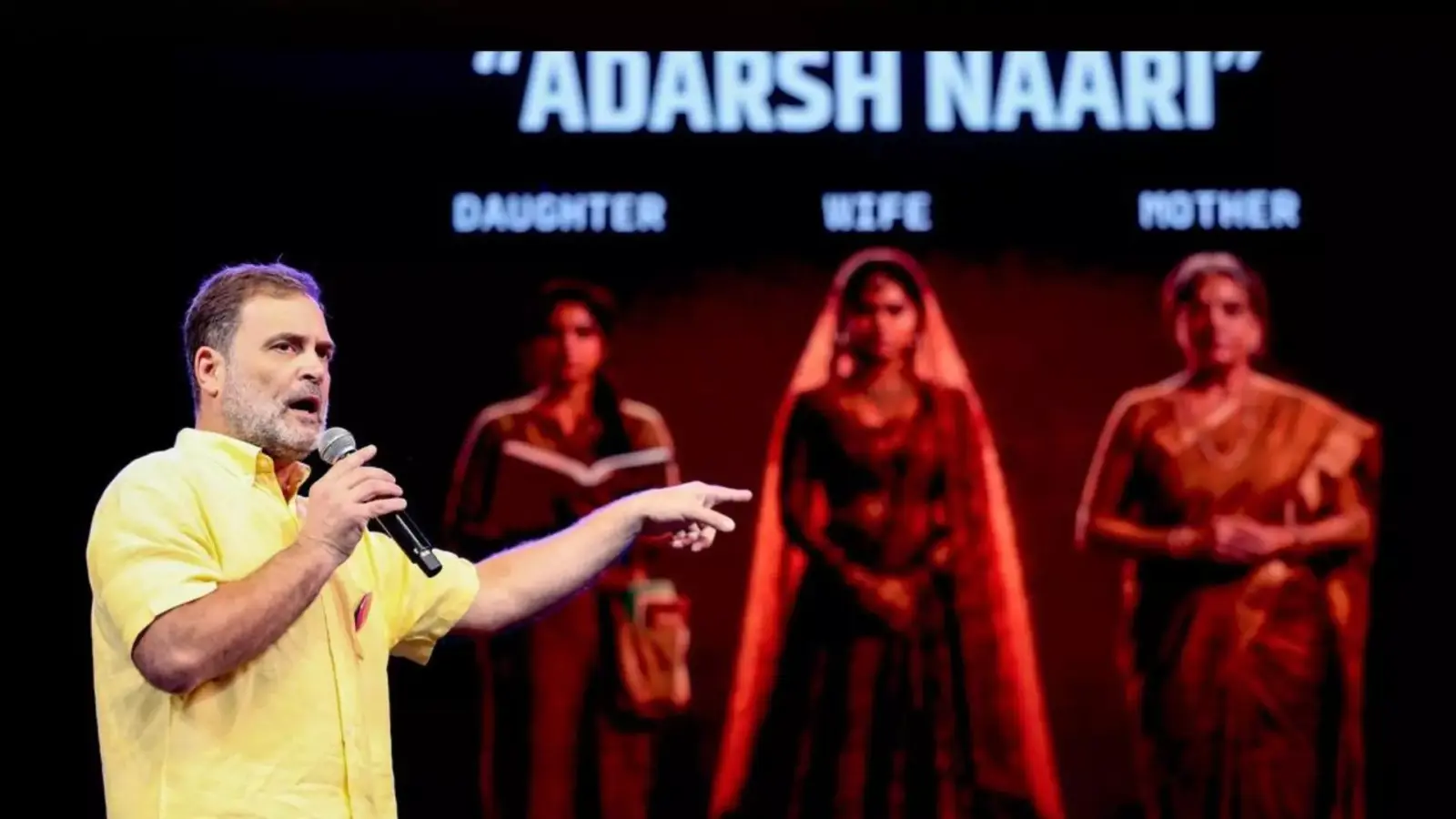
Rahul Gandhi told a gathering of 1,500 women students in Pune on 22 August that women are not defined by their roles as daughters, wives or mothers but are individuals who “belong to themselves”. He invoked Manusmriti to attack patriarchal structures and highlighted unpaid domestic work and limited property ownership as systemic barriers. The Congress leader’s event, part of the ‘Chhatron Ki Goonj’ campaign, featured young women narrating obstacles to education and careers.
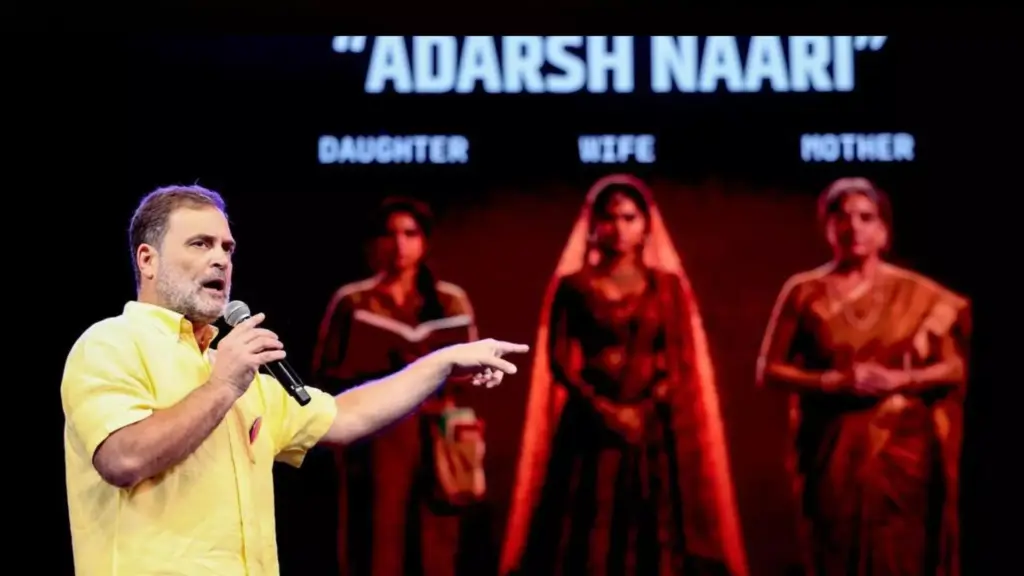
Analyst Pushparaj Deshpande told thefederal.com that Gandhi’s pitch shifts the conversation beyond welfare schemes to recognising women’s constitutional rights. BJP leaders countered with achievements: Maharashtra Chief Minister Devendra Fadnavis cited the Women’s Reservation Bill, Smriti Irani cited 33 per cent parliamentary reservation, and others dismissed the event as political theatre. Theprint.in reported the event as a novel attempt to bring academic feminist arguments into political mainstream, with Gandhi’s message “Break the Cage” and “Smash the Patriarchy”.
The competing strategies pit the BJP’s focus on delivered benefits against the Congress’s appeal to recognition and agency. Multiple assembly elections in 2027 will test which message resonates with women voters.
Indian Opinion Analysis
thefederal.com leads with analyst Pushparaj Deshpande’s framing of Rahul Gandhi’s pitch as a challenge to patriarchy beyond welfare, while theprint.in grounds the same event in the novelty of bringing academic feminist arguments into political mainstream. The BJP responses get space in thefederal.com but are absent from theprint.in, which instead elaborates on the women’s personal testimonies. Thefederal.com gives both sides visibility, theprint.in emphasises Gandhi’s discursive strategy. Between the two, the competitive read is that the Congress is testing a rights-based appeal against the BJP’s delivery record, with 2027 assembly elections as the horizon to watch.
Coverage: 2 sources, 1 neutral, 1 sensationalist
Sources (2): thefederal.com (neutral report), theprint.in (sensationalist)
This brief was synthesised by AI from the 2 sources linked above, so one read covers every framing they carry. Methodology and corrections.
Updated: this story now draws on 2 sources.