












Now Reading: Three Indian texts added to UNESCO Asia-Pacific register
-
01
Three Indian texts added to UNESCO Asia-Pacific register


The Story in Brief
Kalhana's Rajatarangini, the Mahabharata, and Kautilya's Arthashastra have been inscribed on UNESCO's Memory of the World Committee for Asia and the Pacific (MOWCAP) Regional Register. The decision was taken at the 11th session of MOWCAP in Jakarta, Indonesia, the Indira Gandhi National Centre for the Arts (IGNCA) said.
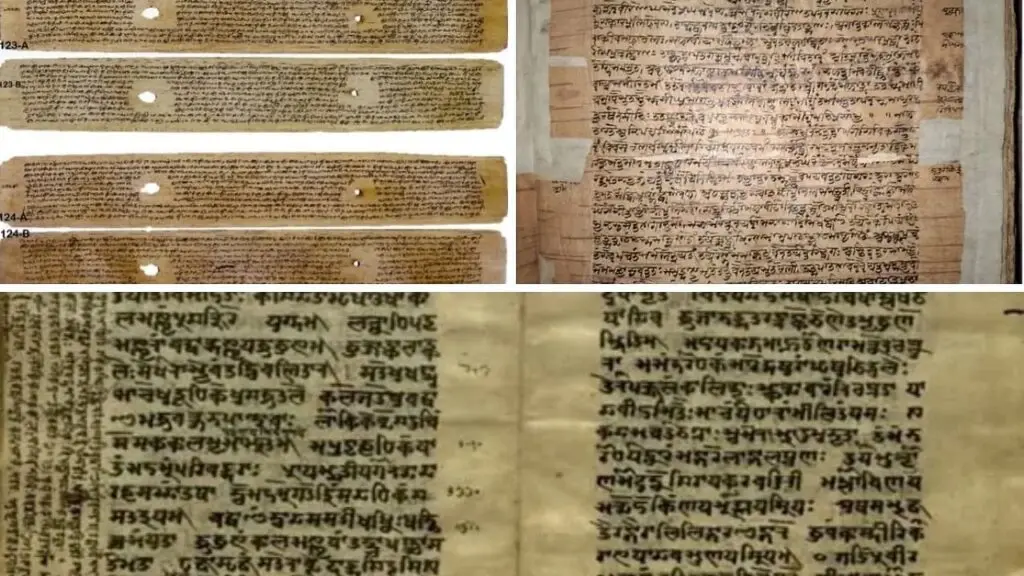
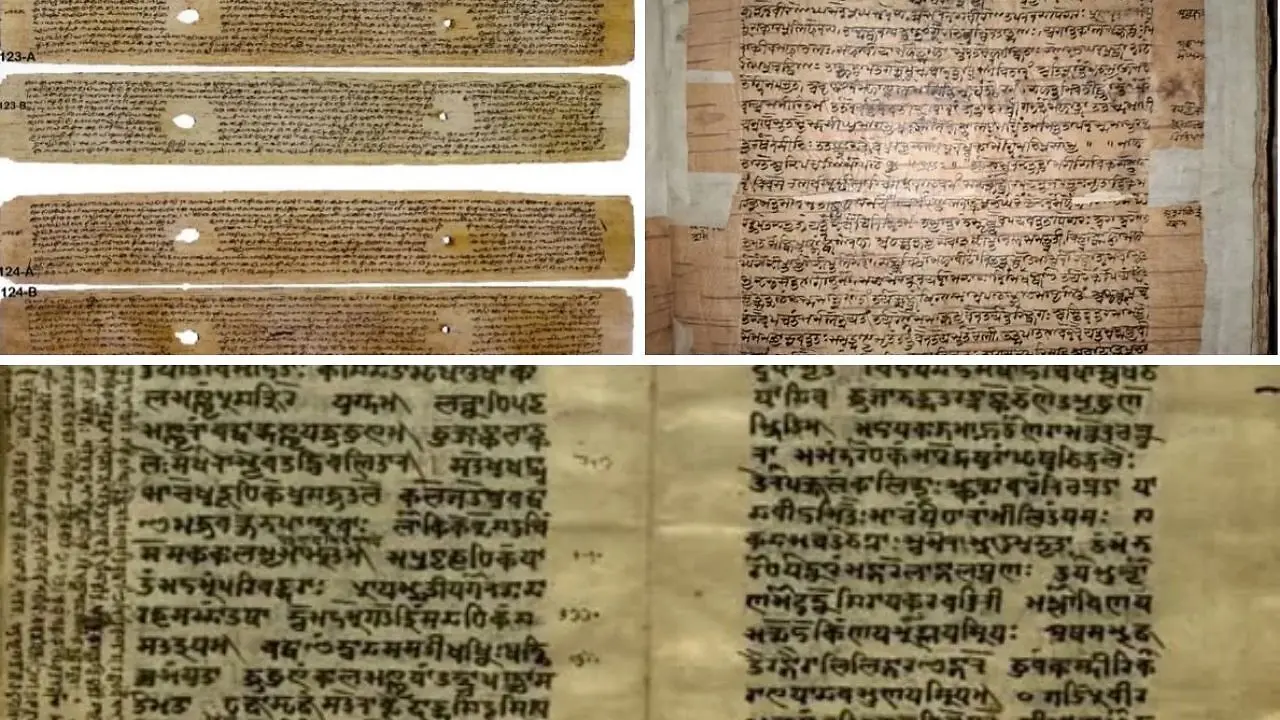
The Ministry of Culture called it 'a proud moment for India's cultural and literary heritage'. Dr Sachchidanand Joshi, IGNCA member secretary, announced the development. The nominated Rajatarangini manuscript, a 12th-century chronicle of Kashmir in Sharada script, is held at the Oriental Research Library, Srinagar. The Arthashastra, a treatise on governance attributed to Kautilya, is a 16th-century palm-leaf manuscript in Grantha script at the Oriental Research Institute, Mysuru. The Mahabharata entry is a roughly 400-year-old birch-bark manuscript in Sharada script at the Bhandarkar Oriental Research Institute.
In 2024, the Ramcharitmanas, Panchatantra and Sahrdayaloka-Locana were inscribed. With the latest additions, India's total inscriptions in the regional register have risen to six. The recognition comes amid efforts under the Gyan Bharatam Mission to digitise India's manuscript heritage.
Indian Opinion Analysis
All three sources present the MOWCAP inscription as a positive development, but Times Now and Orissa Post lead with the ministry's celebratory tone, while Times of India foregrounds the IGNCA's role and the Gyan Bharatam Mission. Times Now provides the most detail on the manuscripts' physical characteristics, such as script and material, which the others omit. Orissa Post is the only outlet to mention that PIB Culture shared UNESCO certificates. There is no conflict between sources, the coverage is uniform in its neutral reporting of the event and its official framing. The next concrete step is the ongoing digitisation effort under the Gyan Bharatam Mission.
The story is a straightforward announcement, with no critical or partisan framing across outlets. The key difference is depth: Times Now offers granular descriptions of the manuscripts, while Times of India emphasises the intellectual traditions and the mission. Orissa Post is the briefest, focusing on the official announcement.
Coverage: 3 sources, 3 neutral
Sources (3): timesnownews.com (neutral report), timesofindia.indiatimes.com (neutral report), orissapost.com (neutral report)
This brief was synthesised by AI from the 3 sources linked above, so one read covers every framing they carry. Methodology and corrections.
Update, 5 November 2026: this story now draws on 3 sources.