






















Now Reading: Ramacham farming: fragrant crop that protects Kerala soil and earns income
-
01
Ramacham farming: fragrant crop that protects Kerala soil and earns income


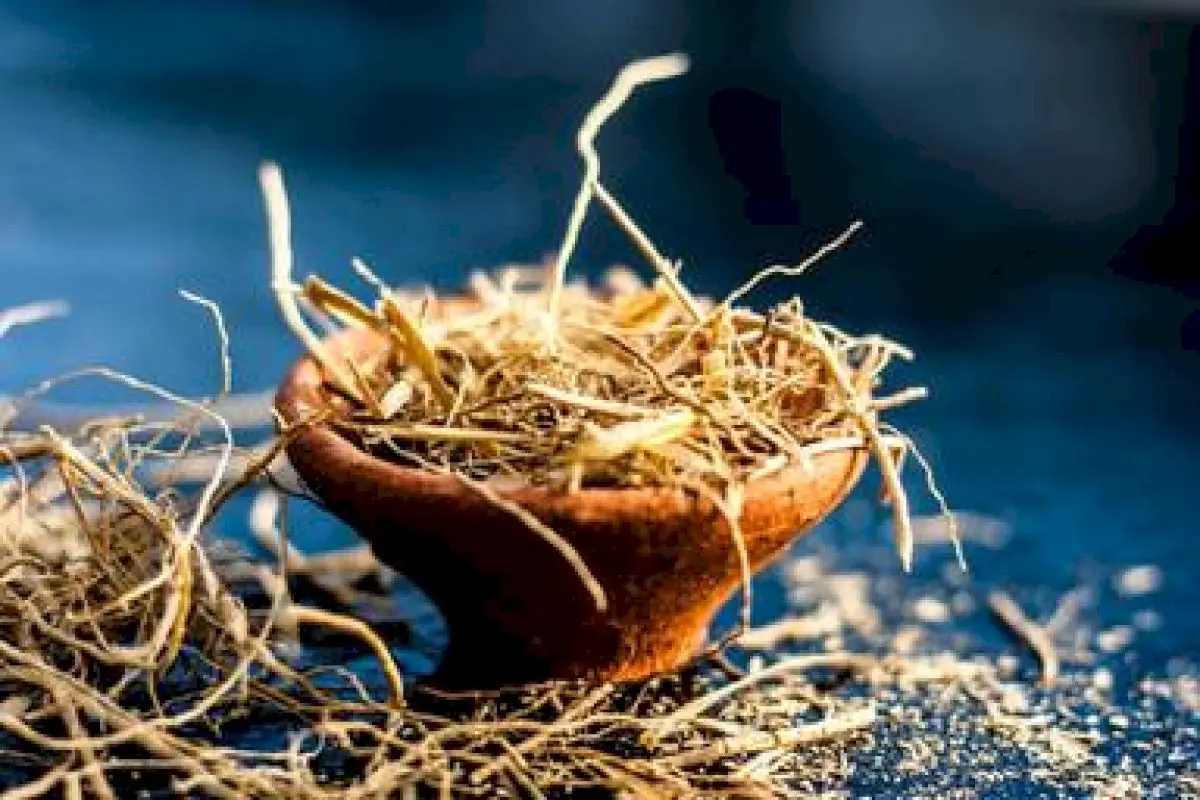
Ramacham, also known as vetiver or khus, is being promoted in Kerala as a crop that both prevents soil erosion and generates income. Planting it along contours on hill slopes significantly reduces soil loss, and its roots can lower the concentration of toxic heavy metals like cadmium and lead in soil and water. Successful cultivation has been reported in sandy soils of Thrissur and Malappuram districts.
The crop is broadly classified into North Indian and South Indian varieties, with South Indian types containing more roots and oil. Kerala Agricultural University has developed non-flowering varieties such as 'Bhoomika' that do not spread uncontrollably, making them ideal for soil conservation. Pusa hybrid varieties are also noted for good yields.
Farmers can make value-added products from the roots, including beds, soaps, and mats. Cultivating through groups and marketing these products directly could improve returns, with some varieties yielding up to eight tonnes of dry roots per hectare. However, the Mathrubhumi report notes that proper training, stable market access, and financial support through Krishi Bhavans and bank loans are needed for wider adoption.
Source: english.mathrubhumi.com
This story was synthesised by AI from the source linked above. Methodology and corrections.