











Now Reading: Rayalaseema farmers face water crisis as crops wither
-
01
Rayalaseema farmers face water crisis as crops wither


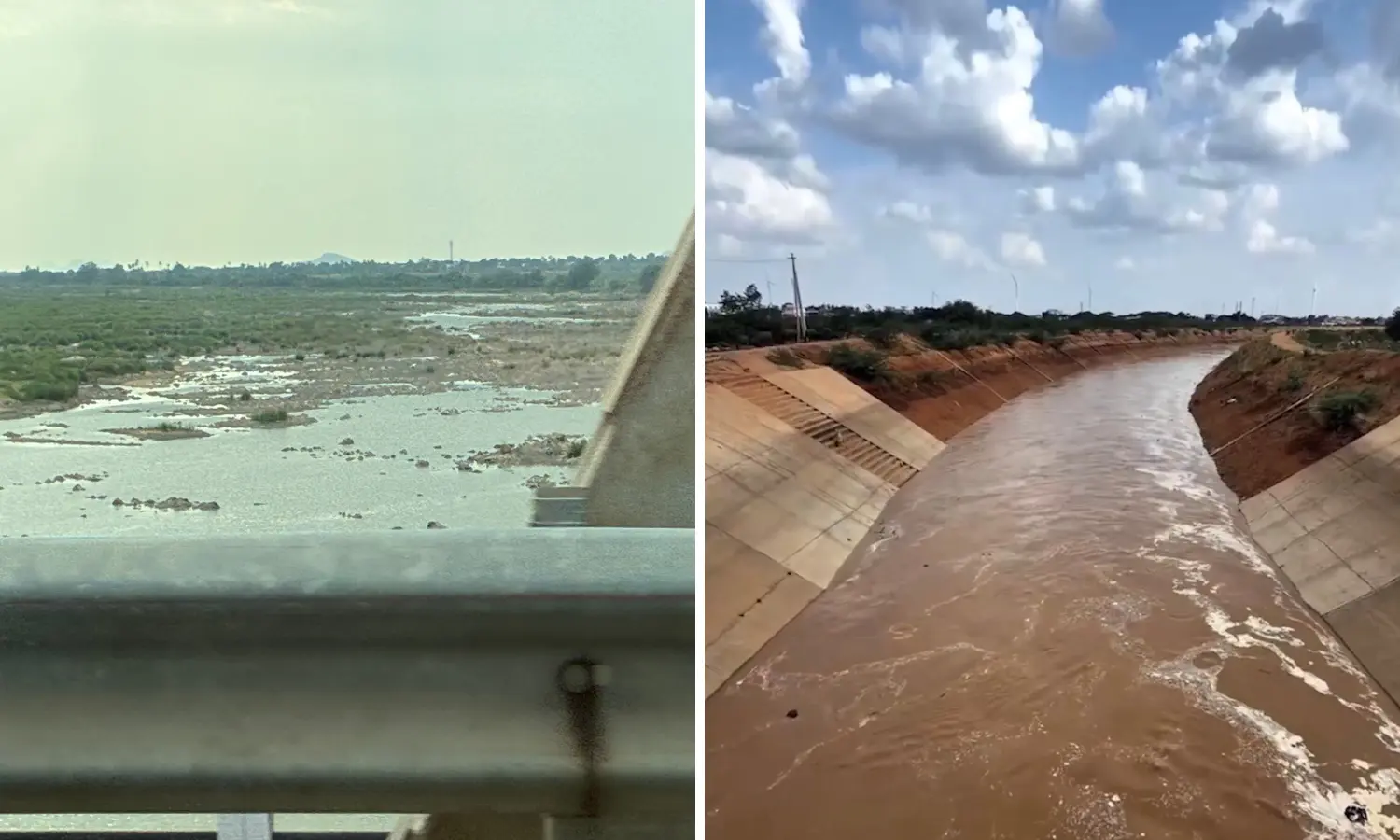
Farmers in Rayalaseema dependent on the Tungabhadra High Level Main Canal (HLMC), Low Level Canal (LLC) and Handri Neeva Sujala Sravanthi (HNSS) project are facing a severe water crisis, with available supplies prioritised for drinking water. Over one lakh acres of standing crops under the TB HLMC and LLC are at risk of withering, and chilli farmers with nurseries fear losses if water is not released soon.
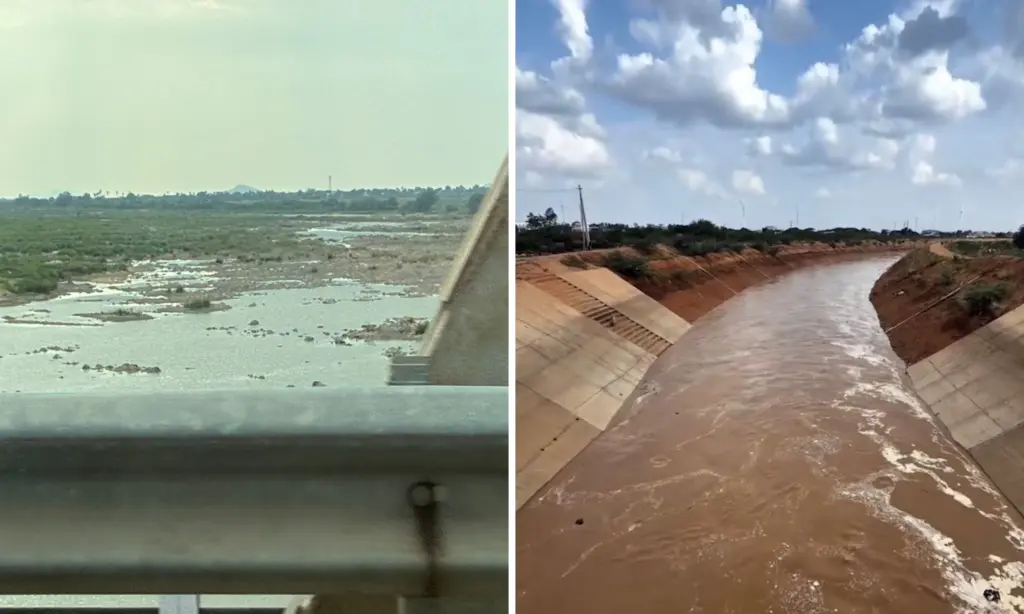
On Wednesday, the Tungabhadra dam held 95 tmc ft against a full capacity of 105 tmc ft, with inflows and outflows at 8,239 cusecs. Dam authorities said additional water would be released only if heavy rains occur upstream in the Western Ghats. The Tungabhadra Board has allocated around 20 tmc ft for drinking water projects supplying Anantapur city, Kalyanadurgam, Madakasira, Hindupur and Rayadurgam, and for Kurnool city via the Kurnool-Cuddapah Canal.
Farmers allege that while supplies in Andhra Pradesh are restricted to drinking water, water is being used for irrigation in adjoining Karnataka. Rayadurgam MLA Kalava Srinivasulu urged the Anantapur district administration to review sources and release water for standing crops. Former MLA Y. Visweswara Reddy of the YSRC alleged HNSS water is being diverted to Kuppam and demanded an Irrigation Advisory Board meeting.
Indian Opinion Analysis
This is a recurring inter-state water dispute under the Tungabhadra Board, which allocates water between Karnataka and Andhra Pradesh under a 1956 agreement. Rayalaseema's four districts receive the lowest rainfall in Andhra Pradesh and depend heavily on canal water from projects like HNSS, which carries Krishna water from Srisailam. The board's decision to prioritise drinking water over irrigation follows a standard policy in deficit years, but the gap leaves lakhs of acres unwatered just as Kharif crops need it most. The board meets next when upstream monsoon data is clearer, likely in August, and that meeting will decide whether any irrigation releases are restored.
Source: deccanchronicle.com
This brief was synthesised by AI from the source linked above. Methodology and corrections.