





















Now Reading: Razorpay launches AI model Vulcan for payments
-
01
Razorpay launches AI model Vulcan for payments


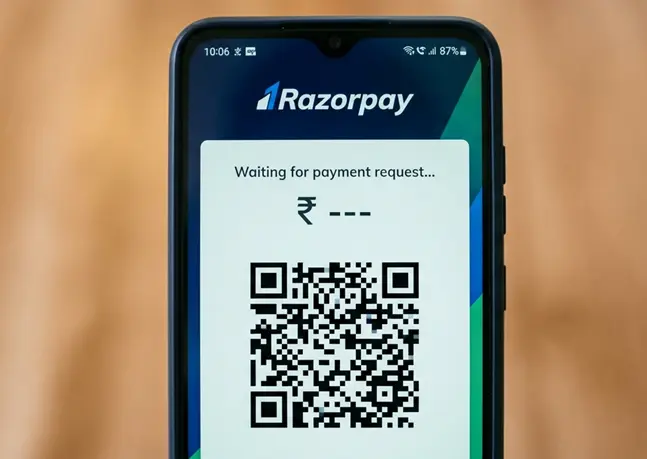
Razorpay has launched Vulcan, which it calls India's first transformer-based AI foundation model for payments. Built with Nvidia and Amazon Web Services (AWS), the model handles payment routing, fraud detection, risk assessment and personalisation. Razorpay says Vulcan was trained on 4 billion payments and 3 trillion data points, using around 3,000 signals per transaction, and was built, trained and hosted in India. Customers including Blinkit, Bachatt and redBus have started using some capabilities in live payments, according to Entrackr.
Razorpay claims Vulcan delivers an 8-10% improvement in payment success rates, 8 times more international card fraud detection, and 5 times more fraudulent or disputed transactions identified without increasing alerts. The company is not charging merchants for Vulcan. However, medianama.com notes that Razorpay has not disclosed whether merchants can opt out of having their transaction data used for training, what legal basis it relies on for training the model (given it often acts as a data processor under the DPDP Act), or whether individual consumer data is included in the training set.
Razorpay plans to expand Vulcan into authentication and lending. The expansion comes as the company heads toward a public listing, and raises additional questions about fairness and explainability, particularly if the model is used to assess creditworthiness based on transaction patterns.
Indian Opinion Analysis
The coverage is uniform straight reporting from medianama.com, which provides a detailed, neutral technical description of Vulcan's capabilities while also raising specific unresolved legal and data privacy questions. The article neither endorses nor attacks Razorpay's claims, it juxtaposes the company's stated benefits against the undisclosed details about merchant opt-out, consumer data inclusion, and legal basis for training under the DPDP Act. The measured takeaway is that Vulcan's performance numbers are Razorpay's own beta results without published methodology, and the privacy gaps are significant for a model trained on live payments. The next concrete thing to watch is whether the company addresses these disclosure gaps as it scales Vulcan into lending and approaches its IPO.
Coverage: 1 source, 1 neutral
Source: medianama.com (neutral report)
This story was synthesised by AI from the source linked above. Methodology and corrections.