




















Now Reading: RBI deputy governor asks banks to stress-test AI systems
-
01
RBI deputy governor asks banks to stress-test AI systems



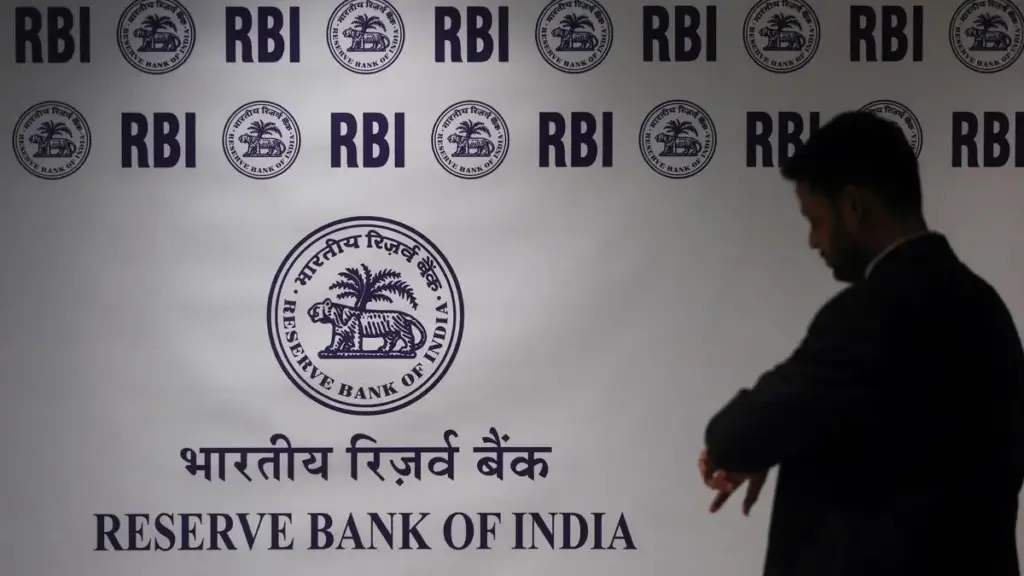
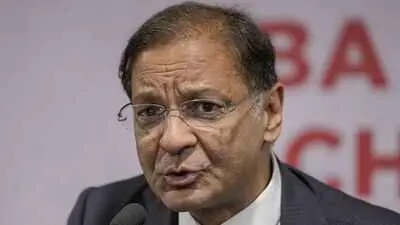
Reserve Bank of India deputy governor Shirish Chandra Murmu has urged banks to stress-test artificial intelligence systems before deploying them and at regular intervals thereafter. Speaking at a banking summit in Mumbai, he said banks must maintain a current inventory of every AI model in use, including those in vendor products, and ensure clear human accountability for automated decisions.
Murmu warned that common data, models and vendors could create collective risk across multiple institutions. He pointed to the central bank's MuleHunter.ai and Digital Payments Intelligence Platform as responses to fraud. Separately, at The Economic Times World Leaders Forum 2026, Visa's Suresh Sethi said AI agents will soon make payments on behalf of users, requiring systems to verify an agent's intent rather than just credentials. J.P. Morgan's Madhav Kalyan added that consumers care about speed and safety, not which payment rail is used.
Murmu also cautioned against treating unknown credit risk as necessarily bad, and said cost savings alone should not justify AI adoption. The RBI's stance comes as governor Sanjay Malhotra has called for deliberate AI adoption in banking.
Indian Opinion Analysis
Both sources report the same RBI deputy governor speech, but with markedly different frames. Livemint leads with Murmu's regulatory warnings, stress-testing, accountability, inventory mandates, framing the RBI as a proactive supervisor. Economic Times, by contrast, buries Murmu's remarks in a broader industry-led narrative about AI agents reshaping payments, quoting Visa, J.P. Morgan and Coinbase extensively. The ET story effectively shifts the reader's attention from regulation to market innovation, making the RBI seem like a background player. A careful reader should note that neither source reports any concrete timeline for when these stress-test requirements will be enforced, leaving the actual compliance burden ambiguous. Watch for the RBI's next circular on AI governance, likely within six months.
Coverage: 2 sources, 2 neutral
Sources (2): livemint.com (neutral report), economictimes.indiatimes.com (neutral report)
This story was synthesised by AI from the 2 sources linked above. Methodology and corrections.
Updated: this story now draws on 2 sources.