














Now Reading: RBI eases domestic money transfer rules from 11 November
-
01
RBI eases domestic money transfer rules from 11 November



The Story in Brief
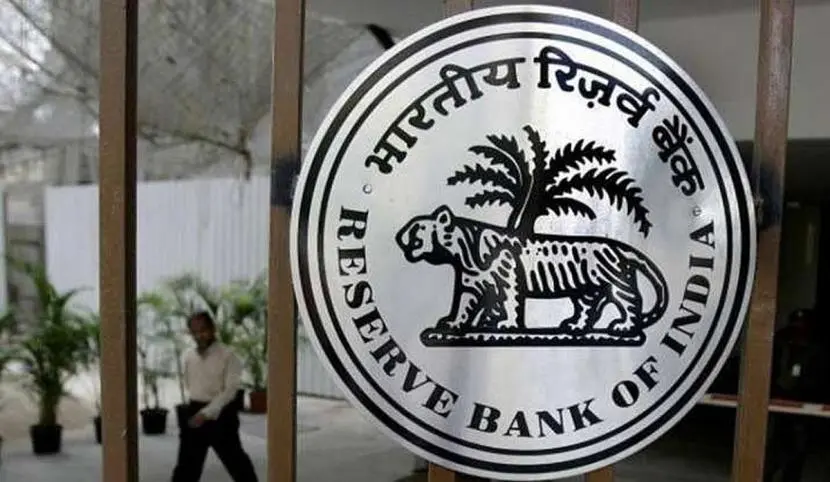
The Reserve Bank of India (RBI) on Wednesday, 11 November, released new domestic money transfer guidelines that took immediate effect. The rules allow any individual to send up to Rs 50,000 per transaction to another person's bank account by walking into a bank branch and using NEFT, even without being a regular customer of that branch. The central bank aims to simplify the framework for migrant workers and daily-wage earners who lack standard identity or address documents.
For recipients without a bank account, the new 'cash pay-out' service lets banks transfer funds credited to a customer's account into cash that can be collected at an ATM or through a business correspondent, with a per-transaction limit of Rs 10,000 and a monthly cap of Rs 25,000 per person. Transfers initiated through business correspondents or ATMs top out at Rs 5,000 per transaction, with a monthly limit of Rs 25,000. All transactions process in real time.
Indian Opinion Analysis
The RBI's 11 November domestic money transfer guidelines are covered in near-identical wire-style reporting by both TV9 Hindi and Bhaskar.com, so the analysis centres on the rules' implications rather than framing differences. The new framework is significant because it structurally lowers the identity and account-ownership barriers that have historically excluded cash-dependent workers from formal remittance channels. The key operational limits are now clearly tiered: up to Rs 50,000 per transaction via in-branch NEFT without a sender account, versus Rs 5,000 per transaction through business correspondents or ATMs, with a monthly cash-payout cap of Rs 25,000 per recipient. The real-world test will be whether banks deploy the required business-correspondent and ATM infrastructure fast enough in the rural and migrant-heavy areas the RBI explicitly targets.
Coverage: 2 sources, 2 neutral
Sources (2): tv9hindi.com (neutral report), bhaskar.com (neutral report)
This brief was synthesised by AI from the 2 sources linked above, so one read covers every framing they carry. Methodology and corrections.