












Now Reading: RBI Bulletin Says Private Capex May Hit Rs 3.2 Lakh Crore by FY27
-
01
RBI Bulletin Says Private Capex May Hit Rs 3.2 Lakh Crore by FY27


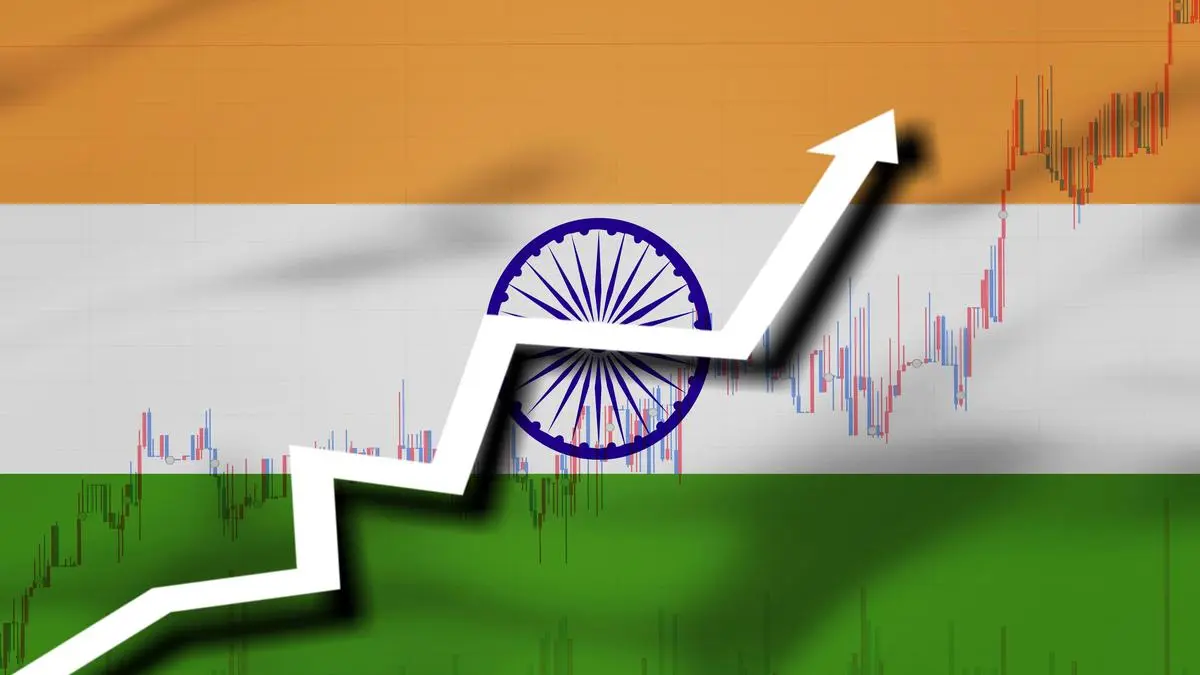
India's private corporate sector capital expenditure is estimated at Rs. 3.2 lakh crore in 2026-27, the RBI's September Bulletin said. The forecast is based on the pipeline of ongoing projects financed through…
India's private corporate sector capital expenditure is estimated at Rs. 3.2 lakh crore in 2026-27, the RBI's September Bulletin said. The forecast is based on the pipeline of ongoing projects financed through banks, external commercial borrowings, and IPOs. It compares with a capex of Rs. 2.6 lakh crore from similar sources in 2025-26.
The Bulletin noted that the total cost of projects sanctioned by banks and financial institutions reached a record Rs. 4.4 lakh crore in 2025-26, up from Rs. 3.7 lakh crore the previous year. Infrastructure remained the biggest investment destination at 54.2% of the total, led by the power sector. Greenfield projects accounted for 89.2% of the project costs reported.
The Bulletin added that complete information on projects to be sanctioned in FY27 is not yet available, so the outlook is based on earlier-year pipelines. The article cautioned that while the investment outlook remains healthy, heightened global uncertainties are likely to temper sentiment.
Indian Opinion Analysis
The three sources report the same RBI bulletin figures but with different framing emphasis. The Hindu Business Line and the Economic Times present the Rs. 3.2 lakh crore capex estimate as a neutral forecast, noting both momentum and the caveat that the figure is based on an incomplete pipeline. The Economic Times adds detail on alternative financing channels and GFCF growth, maintaining factual depth. Swarajya Mag however leads with the 23% jump framing, names specific states and project counts, and omits the bulletin's caution about incomplete FY27 sanction data. The Bulletin itself, authored by RBI staff not the central bank, points to healthy investment intentions tempered by global uncertainty. The divergence means the story's core is the raw data and the RBI's self-caveats.
Coverage: 3 sources, 1 pro-government, 2 neutral
Sources (3): thehindubusinessline.com (neutral report), bfsi.economictimes.indiatimes.com (neutral report), swarajyamag.com (pro government)
This brief was synthesised by AI from the 3 sources linked above, so one read covers every framing they carry.
Updated: this story now draws on 3 sources.