











Now Reading: RBI Floating Rate Bonds v/s Small Finance Bank FDs: Returns Compared
-
01
RBI Floating Rate Bonds v/s Small Finance Bank FDs: Returns Compared

RBI Floating Rate Bonds v/s Small Finance Bank FDs: Returns Compared

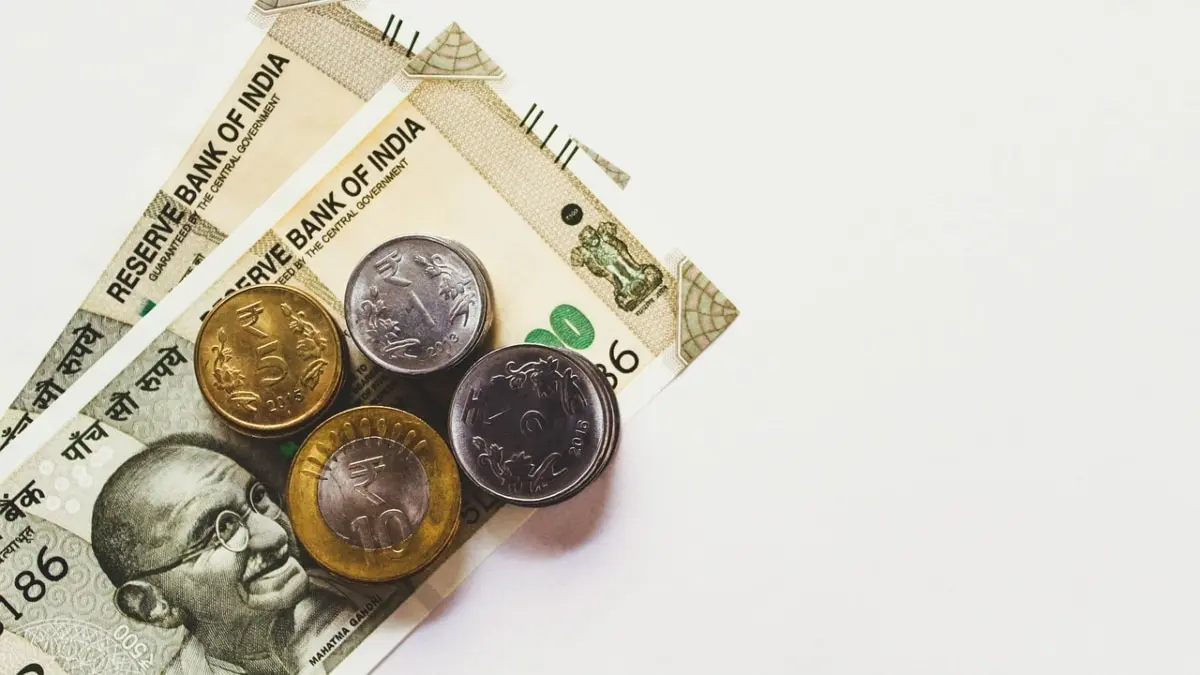
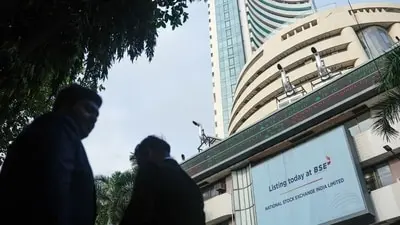
RBI's Floating Rate Savings Bonds currently offer interest at National Savings Certificate rate plus 0.35%, which can exceed 8% after the next reset. The bonds have no upper investment limit and carry full government guarantee, but have a seven-year lock-in period with early withdrawal only for senior citizens after four to six years. Interest is taxable as per income slab, with TDS applicable above Rs 10,000 (Rs 50,000 for seniors).
Separately, small finance banks like Suryoday and Utkarsh are offering fixed deposits at up to 8.10% for selected tenures, well above large banks' 6.40-6.50% range. However, Business Today warns that DICGC insurance covers only Rs 5 lakh per depositor per bank, including principal and accrued interest. For a five-year FD at 8%, the maturity amount would exceed this cover. Interest on these FDs is also fully taxable.
Indian Opinion Analysis
Aajtak leads with the government-backed Floating Rate Savings Bonds that RBI issues, framing it as 'dhansu' (superb) and 100% safe, which downplays the seven-year lock-in and tax liability. Business Today leads with Small Finance Bank FDs offering over 8%, foregrounding the 5 lakh DICGC insurance cap and tax erosion. The first source omits the insurance ceiling entirely, the second source omits any government-guaranteed alternative. The middle ground: both are genuine options but for different risk tolerances. Savers should compare the post-tax, post-liquidity penalty return of each, not just the headline rate. Watch RBI's next rate review on 1 January for the Floating Rate Savings Bond reset.
Coverage: 2 sources, 2 neutral
Sources (2): aajtak.in (neutral report), bazaar.businesstoday.in (neutral report)
This story was synthesised by AI from the 2 sources linked above. Methodology and corrections.
Updated: this story now draws on 2 sources.