














Now Reading: RBI governor says net short dollar position manageable
-
01
RBI governor says net short dollar position manageable


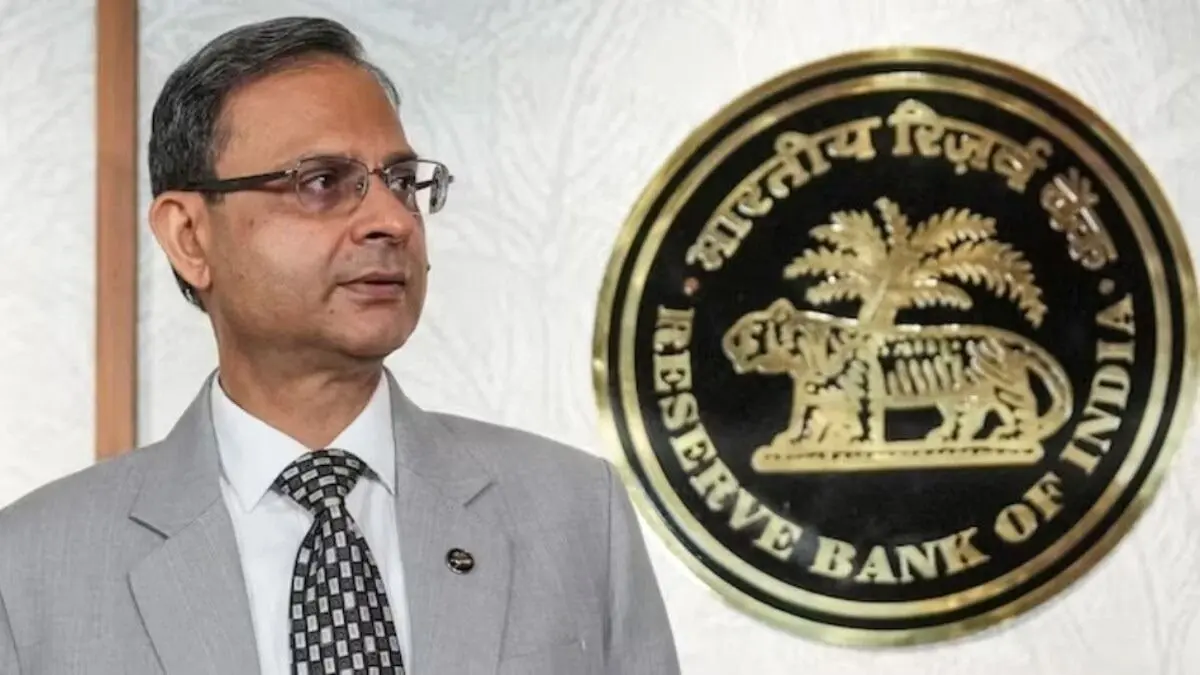
Reserve Bank of India Governor Sanjay Malhotra has said the central bank's net short forward dollar position is currently "quite manageable". In an interview to Financial Express published on Thursday, he said the exchange rate is still determined by the market and RBI's intervention policy has not changed. Its aim is to curb excessive volatility and any unjustified speculation.

According to the Financial Express report, three recent steps taken by RBI to raise dollars are expected to bring in at least $80 billion of inflows. These include FCNR(B) deposits, external commercial borrowings, and foreign-currency borrowings from abroad. Malhotra said the dollar inflows were higher than both RBI and most market participants had expected.
On the early closure of the FCNR(B) swap window a month ahead of schedule, Malhotra described it as a data-based "calibration" rather than a policy reversal. He said the incremental benefit of swapping each additional dollar was declining, while the cost of sterilising the resulting liquidity over a longer period was rising.
Indian Opinion Analysis
The net short forward dollar position is a consequence of RBI's forward dollar sales in the last two years to defend the rupee from depreciation pressure. Unwinding this position without roiling the currency market is a delicate task. The three measures cited, FCNR(B) deposits, ECB, and foreign-currency borrowings, are designed to bring in dollars that RBI can then use to cover its forward commitments. The early closure of the FCNR(B) swap window signals that inflows have exceeded expectations. The next data to watch is the size of RBI's forward book when the central bank releases its September bulletin.
Source: bazaar.businesstoday.in
This story was synthesised by AI from the source linked above. Methodology and corrections.