













Now Reading: Record IPO fundraising in 2026 driven by smaller issues
-
01
Record IPO fundraising in 2026 driven by smaller issues



The Story in Brief
India's primary market raised ₹2.12 trillion through 129 mainboard IPOs in the November 2025-October 2026 Samvat year, according to Prime Database data cited by both Mint and Business Standard. The figure includes two mega offerings: Jio Platforms Ltd's ₹30,213 crore issue, the country's largest, and the National Stock Exchange's ₹22,562 crore IPO.
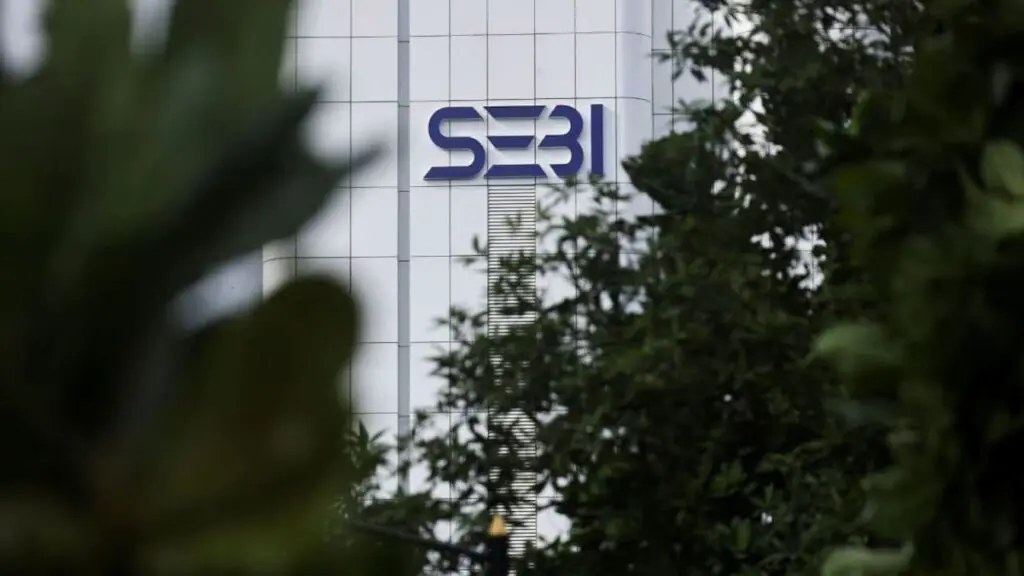
However, Mint reports that the average IPO size in calendar 2026 (January to October) fell to about ₹1,450 crore across 109 offerings worth ₹1.58 trillion, compared with ₹1.76 trillion raised through 103 IPOs in 2025. Of 58 third-quarter IPOs that sold fresh shares, 32 reduced their issue size by an average of more than 20%, according to data from Uniqus Consultech. Analysts told both outlets that issuers are prioritising guaranteed liquidity over ambitious valuations amid selective institutional appetite. As of late October, 116 companies had valid Sebi approvals to launch IPOs, with an estimated combined size of ₹1,99,830 crore, per Prime Database.
Indian Opinion Analysis
Both Mint and Business Standard report the same record IPO fundraising in 2026, but they frame the story differently. Mint leads with smaller average deal sizes and issuer recalibration, emphasising valuation discipline and downsizing, a neutral but granular market analysis. Business Standard leads with the headline ₹2.12-trillion Samvat 2082 record, foregrounding the two mega IPOs of Jio Platforms and NSE, and cites analysts who anticipate greater valuation discipline ahead. Mint's coverage is more detailed on the trend toward smaller issues and institutional price-sensitivity, while Business Standard's focus on the overall record figure and the mega IPOs gives a more positive top-line picture. Together they offer a balanced read: the headline numbers are strong, but the composition shows a shift toward pragmatism. Both outlets cite Prime Database as the primary data source.
Coverage: 2 sources, 2 neutral
Sources (2): livemint.com (neutral report), business-standard.com (neutral report)
This brief was synthesised by AI from the 2 sources linked above, so one read covers every framing they carry. Methodology and corrections.