








Now Reading: Report says Bengaluru protest curbs shrink democratic space
-
01
Report says Bengaluru protest curbs shrink democratic space


The Story in Brief
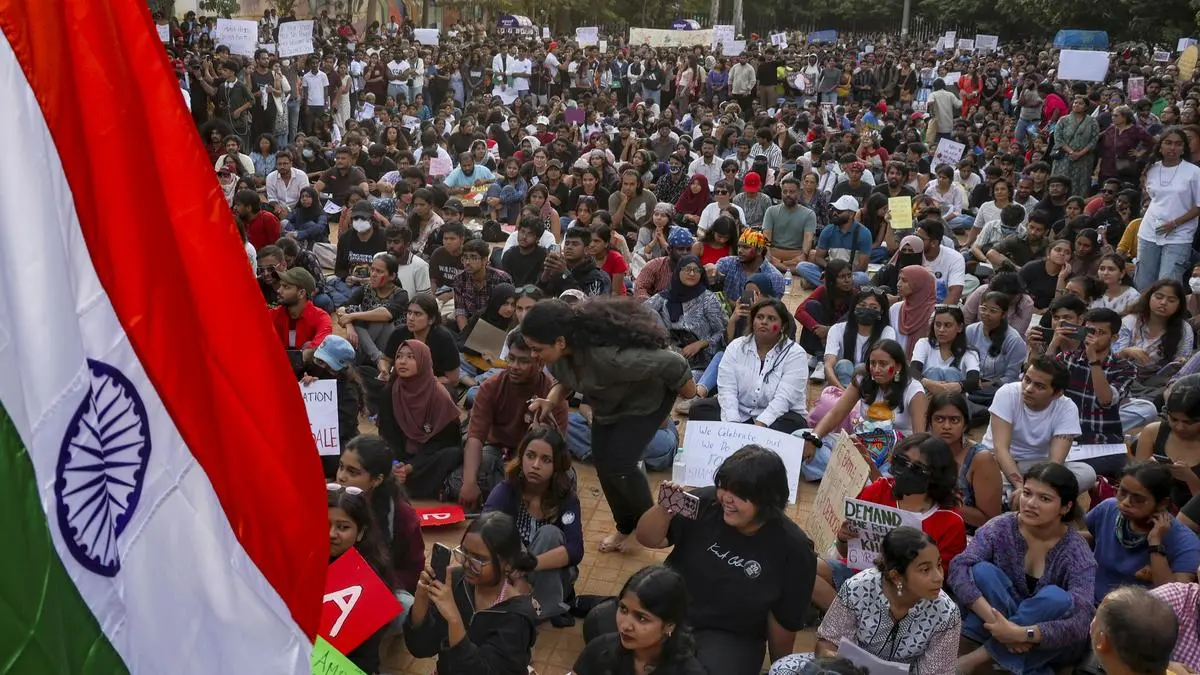
A study by PUCL-Karnataka, published by the Campaign for the Right to Protest, has documented how the 2021 Licensing Order confining protests in Bengaluru to Freedom Park has turned a constitutional right into a permission-based activity, making protests invisible and enabling what it calls arbitrary police response. The report was released on Saturday, 21 November 2026, by former High Court judge Justice H. N. Nagamohan Das.
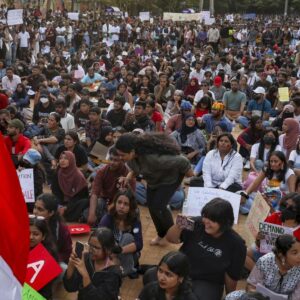
The report notes that simultaneous protests at Freedom Park dilute each cause, and cites instances of forceful detention, lathi charging, and FIRs against activists, including 200 Dalit protesters in December 2022 and 71 farmers in August 2022. It observes that working-class protests face more force than middle-class civic agitations, and that the order has been invoked against reading circles, film screenings, and signature campaigns.
The Campaign for the Right to Protest has called for mass civil disobedience on 28 November if the state government does not restore protest rights beyond Freedom Park by 26 November. A delegation met new Police Commissioner R Hithendra on Saturday, 21 November, who said the police were considering allowing protests at select sites. Justice Das warned that restricting protests could lead to violence, for which the government would be responsible.
Indian Opinion Analysis
The Hindu leads with the report's claim that police response has been arbitrary and violent, foregrounding cases of lathi charging and detention, and omitting the police commissioner's recent offer to consider alternative sites. Deccan Herald leads with the campaign's ultimatum and the meeting with the commissioner, giving equal space to the police's stated willingness to explore options. The uniform ground is the report's findings, the difference is that one story frames police as the problem and the other frames the next step as negotiation. The measured reading is that both the government's openness to dialogue and the campaign's threat of disobedience are part of the same moment, and the outcome depends on whether the 26 November deadline produces a concrete order.
Coverage: 2 sources, 1 government-critical, 1 neutral
Sources (2): thehindu.com (government critical), deccanherald.com (neutral report)
This brief was synthesised by AI from the 2 sources linked above, so one read covers every framing they carry. Methodology and corrections.