








Now Reading: Sara Ali Khan’s Kedarnath visit draws fatwa, counter
-
01
Sara Ali Khan’s Kedarnath visit draws fatwa, counter


The Story in Brief
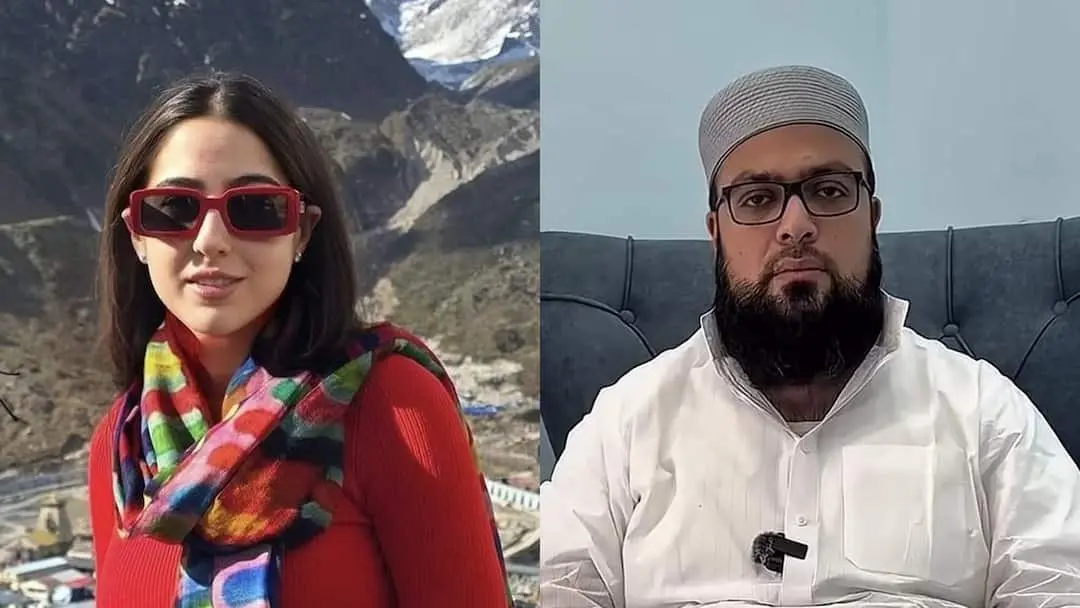
Actor Sara Ali Khan’s 25 October visit to Kedarnath temple has triggered a controversy after Uttar Pradesh cleric Maulana Mufti Shahabuddin Razvi Bareilvi issued a fatwa objecting to her offering prayers to Lord Shiva, calling the visit contrary to Islamic principles and demanding repentance.
Uttarakhand Waqf Board chairman Shadab Shams criticised the move, telling TNIE that some clerics use fatwas to stay in the spotlight and urged them to focus on issues such as halala, widows’ rights and waqf property misuse. Deobandi Ulema Maulana Qari Ishaq Gora defended the actor, saying targeting personal religious practices is wrong and that not every remark qualifies as a formal fatwa.
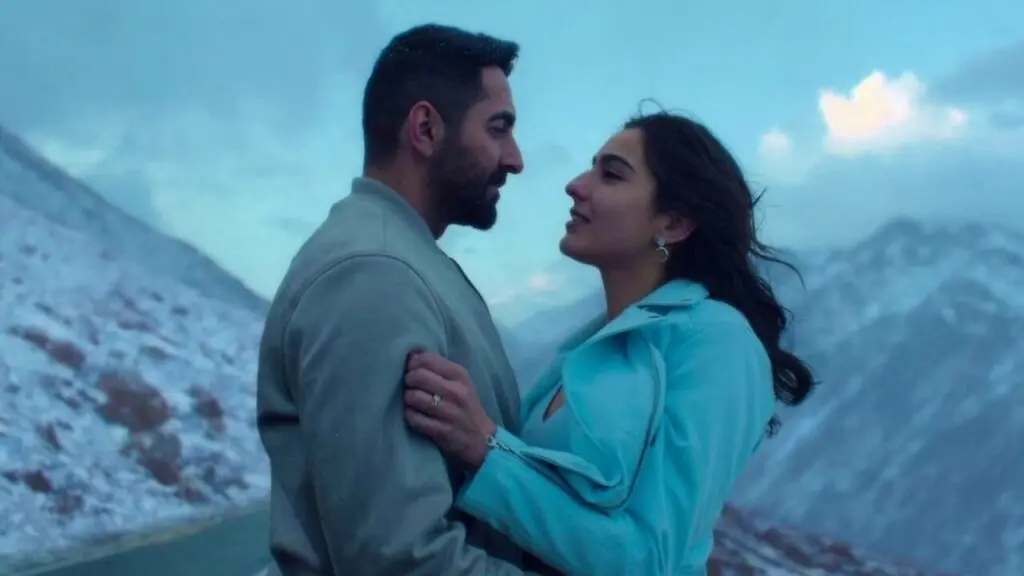
Kedarnath holds personal significance for Khan, who starred in the 2018 film Kedarnath and has spoken of her spiritual connection to the site.
Indian Opinion Analysis
Newindianexpress.com foregrounds institutional criticism from the Uttarakhand Waqf Board chairman, framing the fatwa as a publicity-driven overreach. ABP Live leads with a Deobandi cleric’s defence of the actor, questioning the very definition of a fatwa and warning against communalising private faith. Both sources agree on the core facts, the fatwa was issued and widely criticised, but differ on whose voice is given primacy. One amplifies the political rebuke, the other a theological counter. Together they show that the controversy has split clerical opinion rather than united it. The next step, if any, remains unspecified by either outlet.
Coverage: 2 sources, 2 neutral
Sources (2): newindianexpress.com (neutral report), abplive.com (neutral report)
This brief was synthesised by AI from the 2 sources linked above, so one read covers every framing they carry. Methodology and corrections.