
















Now Reading: Supreme Court settles over 400 cases on first day of Lok Adalat
-
01
Supreme Court settles over 400 cases on first day of Lok Adalat


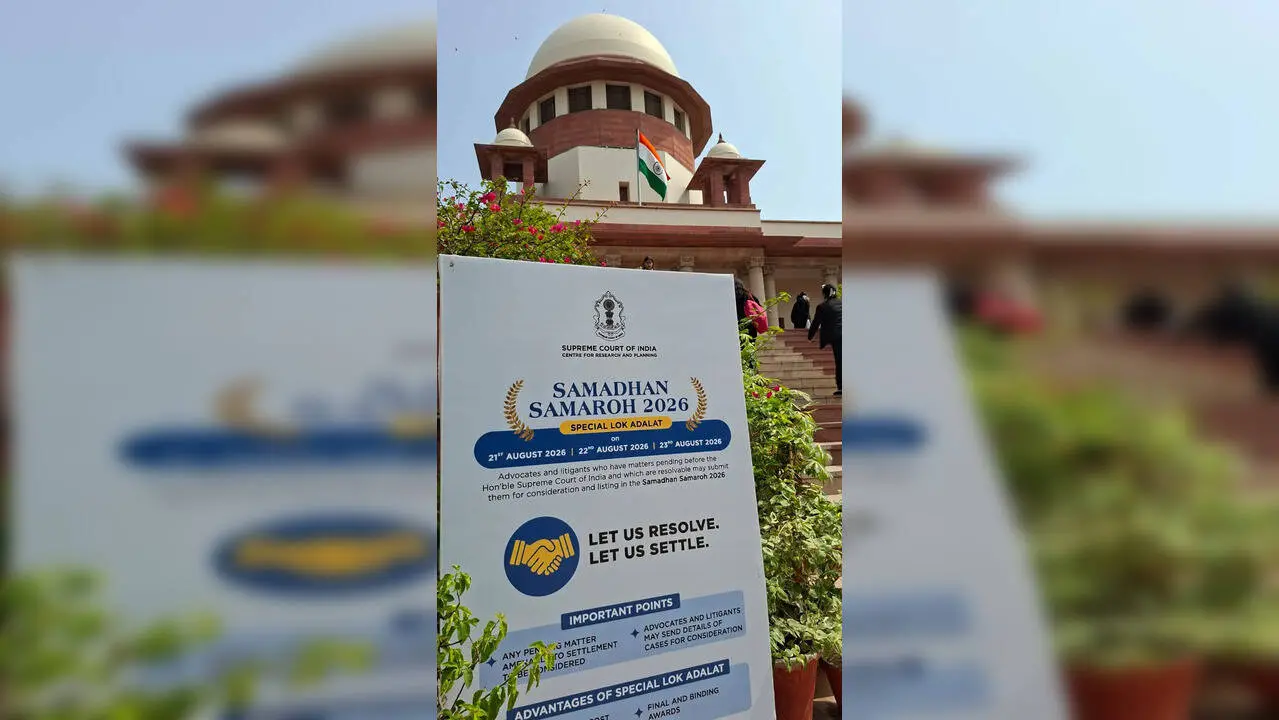
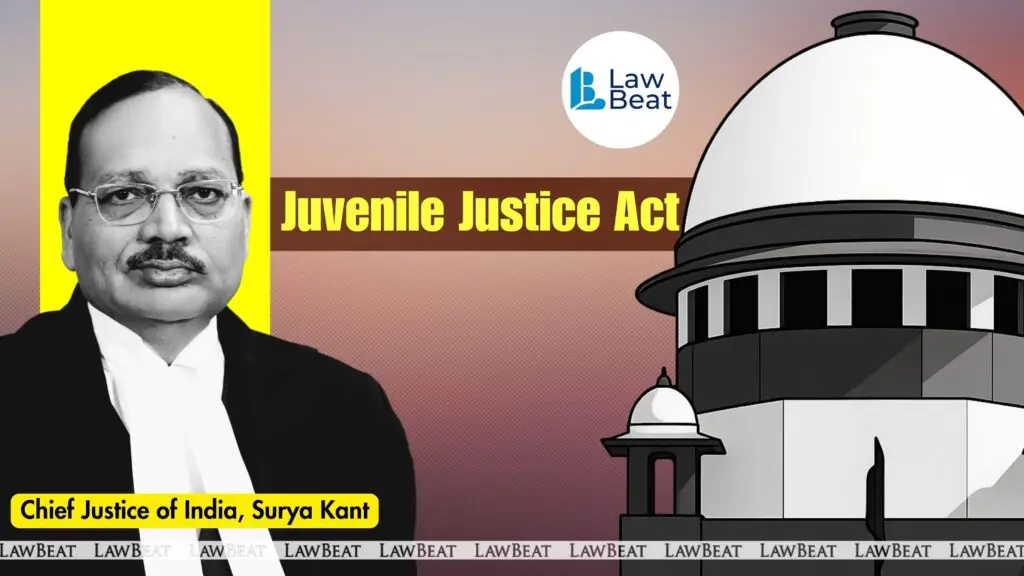
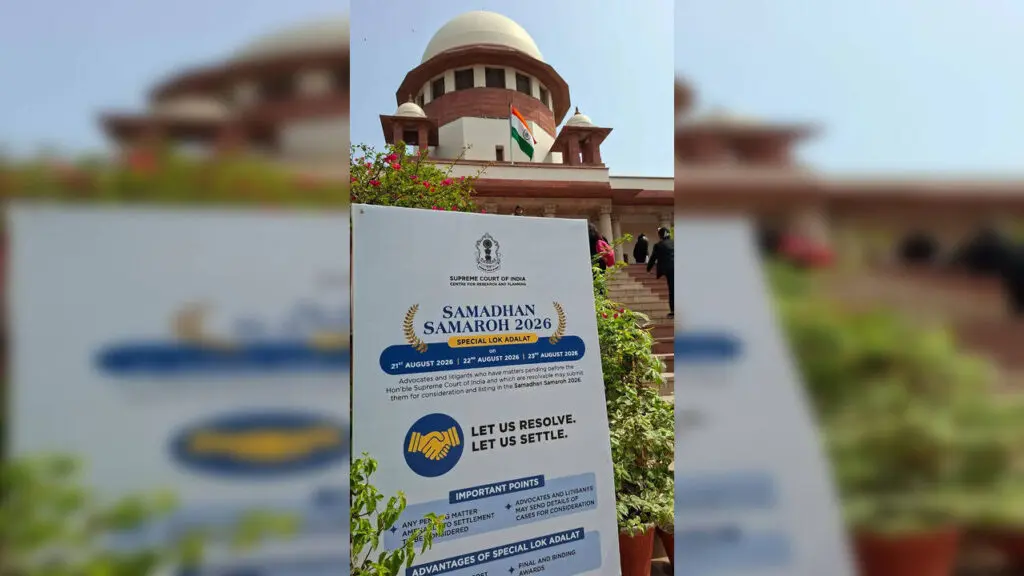
The Supreme Court's three-day 'SAMADHAN Samaroh' special Lok Adalat began on August 21, with more than 600 cases listed before 16 benches comprising two sitting judges each. Over 400 cases were settled on the first day itself, reports LiveLaw. The initiative, conceptualised by Chief Justice of India Justice Surya Kant, aims to clear heavy pendency through mediated settlements.
Times Now reports that around 45,000 pending cases were identified as eligible for settlement under this window. The court had also sent sensitive mandir-masjid disputes including the Gyanvapi mosque-Kashi Vishwanath temple and Mathura Krishna Janmabhoomi-Shahi Idgah mosque for out-of-court talks, but those efforts failed at the pre-Lok Adalat stage, and parties in those cases are unlikely to participate. The Lok Adalat covers family, financial, civil and accident cases.
The process is consent-based, and litigants can participate physically or virtually. The Adalat continues until August 23.
Indian Opinion Analysis
Times Now led its report with the failure of mandir-masjid mediation talks, framing the Lok Adalat against that backdrop. LiveLaw focused entirely on the settlement numbers and the process, omitting the temple-mosque disputes. The Times Now framing implies that the high-profile religious disputes overshadow the initiative, while LiveLaw presents the Adalat as a routine, successful mediation drive. A measured reading shows that the settlement of 400-plus cases on day one is a substantial operational achievement, regardless of the temple-mosque cases. Watch whether the total settled cases cross 1,500 by the closing day on August 23.
Coverage: 2 sources, 1 neutral, 1 sensationalist
Sources (2): timesnownews.com (sensationalist), livelaw.in (neutral report)
This story was synthesised by AI from the 2 sources linked above. Methodology and corrections.
Updated: this story now draws on 2 sources.