









Now Reading: SC dismisses Tamil Nadu pleas for Cauvery water from Karnataka
-
01
SC dismisses Tamil Nadu pleas for Cauvery water from Karnataka


The Story in Brief
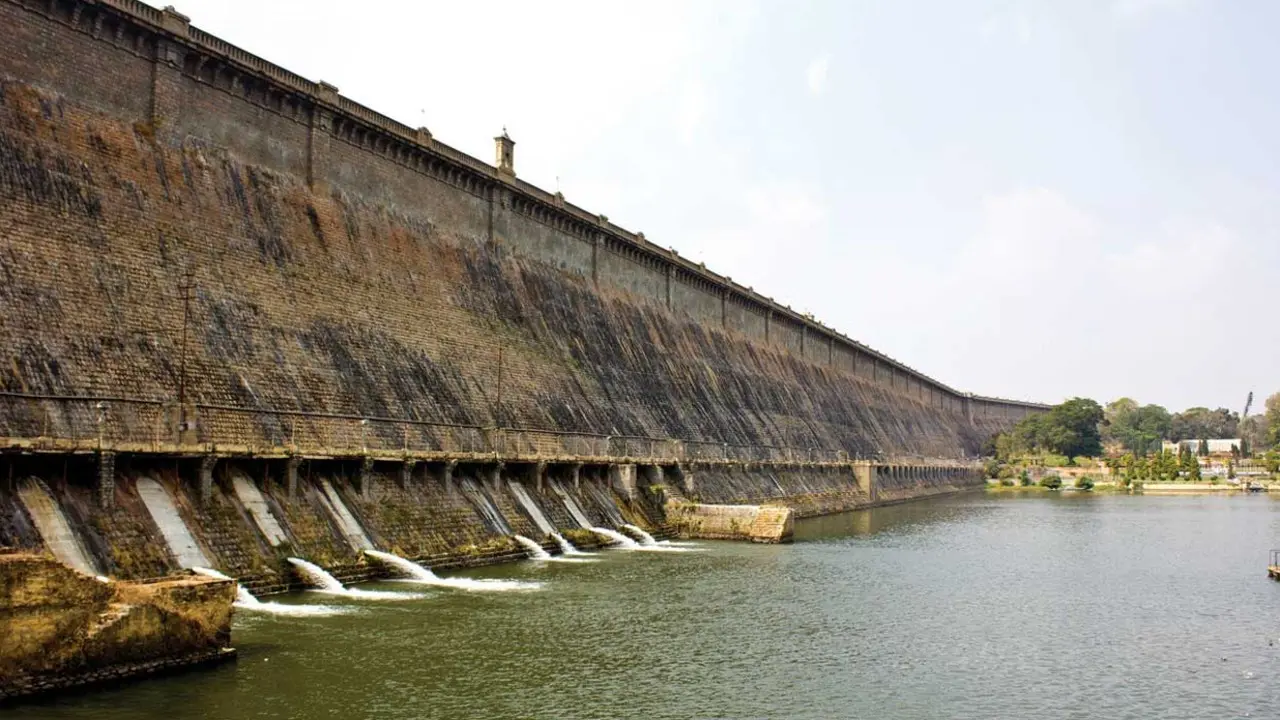
The Supreme Court on Friday, 20 November 2026, dismissed two pleas by Tamil Nadu seeking a direction to Karnataka for the release of 11 TMC (thousand million cubic feet) of Cauvery river water. The Court held that monitoring and enforcing the release schedule is the function of the Cauvery Water Management Authority (CWMA) and the Cauvery Water Regulation Committee (CWRC), not the court.
A Bench of Justices Vikram Nath and Aparesh Kumar Singh observed that taking on that role would be neither warranted nor appropriate while the designated expert bodies remain seized of the matter. Tamil Nadu had sought immediate release of an alleged shortfall and compliance with CWMA directions. Karnataka argued that releases in a distress year were not inflexible and that any deficit had been made good after adequate rainfall, which Tamil Nadu acknowledged.
The Court noted that both states participate in periodic CWRC reviews and called Tamil Nadu's apprehension that its annual allocation may not be met 'premature'. The applications from Tamil Nadu and the DMK were dismissed.
Indian Opinion Analysis
The three sources all report the same Supreme Court dismissal but with different emphasis. Mid-day.com leads with Tamil Nadu's demand for 11 TMC and Karnataka's rain-deficit defence, framing it as a water-sharing dispute between states. Verdictum.in provides the most detailed legal reasoning, emphasising the Court's view that the CWMA and CWRC are the proper bodies to handle the dispute, and records Karnataka's claim that the deficit was made good. The Hindu frames the dismissal as a question of legal recourse for a lower riparian state, highlighting the Court's refusal to take on the role of expert authorities. The coverage is uniform in outcome: all three report that the Court dismissed the pleas and directed the states to the expert bodies. The implication is that the Court has firmly closed the door on direct judicial intervention, leaving Tamil Nadu's only avenue through the CWMA and CWRC, where Karnataka has already asserted that deficits were resolved.
Coverage: 3 sources, 3 neutral
Sources (3): mid-day.com (neutral report), verdictum.in (neutral report), thehindu.com (neutral report)
This brief was synthesised by AI from the 3 sources linked above, so one read covers every framing they carry. Methodology and corrections.