


















Now Reading: Sensex-Nifty crash 1,452 points from day high amid global rout
-
01
Sensex-Nifty crash 1,452 points from day high amid global rout



The Story in Brief
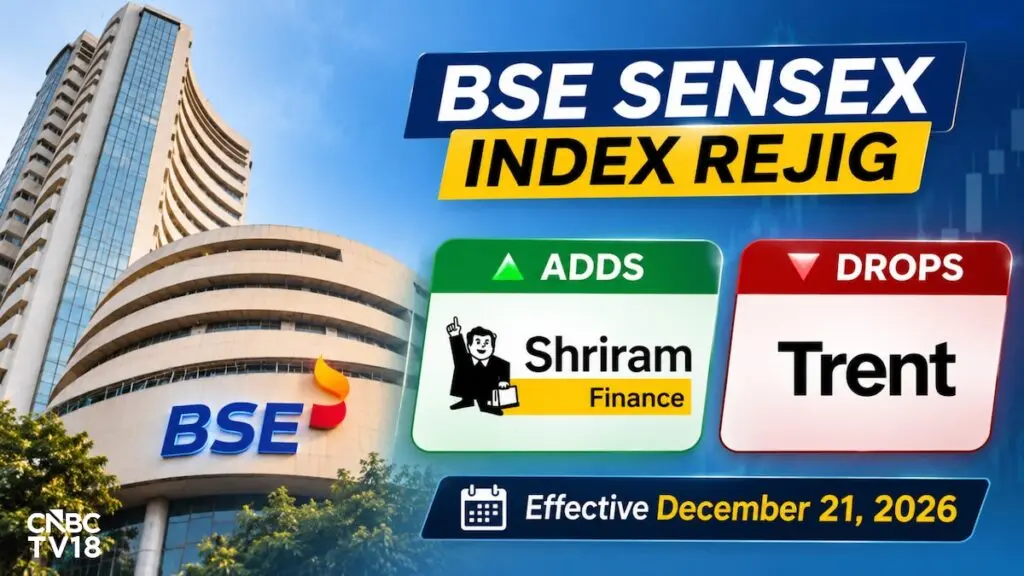
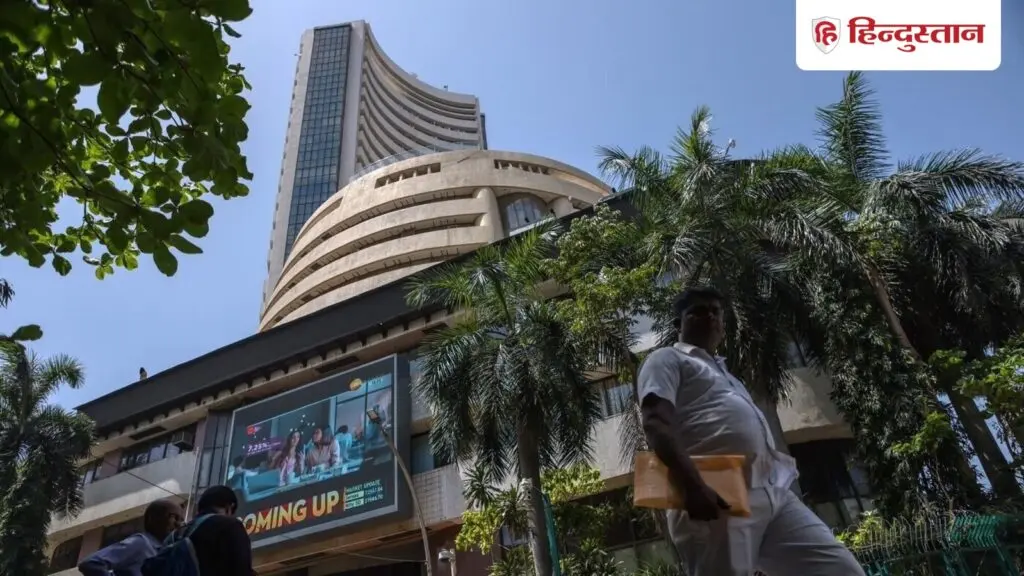
Indian equity markets saw a sharp intraday reversal on Monday, 23 November, with the BSE Sensex plunging from an opening high of 84,662.96 to 83,210.08, a drop of 1,452.88 points, and the Nifty 50 sliding from 25,992.60 to 25,567.30. Both indices had opened higher, extending a four-week rally, but gave up all gains within 13 minutes.
The selloff echoed weakness in Asian markets, with Japan‘s Nikkei falling over 5%, South Korea’s Kospi down 3.2%, and Hong Kong‘s Hang Seng losing 1%. Analysts cited profit-booking at elevated levels, the Sensex and Nifty had risen about 12% in November, and pressure on AI-related stocks globally. In contrast, foreign institutional investors bought a record $13 billion in Indian equities in November, narrowing 2026 net outflows to $18.4 billion.
Indian Opinion Analysis
The three sources report the same sharp intraday reversal on Monday, but their textual emphases differ. livehindustan.com and tv9hindi.com both lead with the WeWork India stock target and the scale of the swing, tv9hindi.com even quantifies the 1,452-point drop from the day's high. aajtak.in, by contrast, leads with global selloffs in Japan, Korea and Hong Kong, and frames the crash as a contagion from those markets. While all three note profit-booking at elevated levels, tv9hindi.com alone foregrounds record November FII inflows of $13 billion as the previously supportive factor. The story is uniform on the 25,567 Nifty low and the 84,662 Sensex peak, the differences are only in which external cause or domestic support each outlet chose to highlight first.
Coverage: 3 sources, 2 neutral, 1 sensationalist
Sources (3): livehindustan.com (sensationalist), aajtak.in (neutral report), tv9hindi.com (neutral report)
This brief was synthesised by AI from the 3 sources linked above, so one read covers every framing they carry. Methodology and corrections.
Update, 23 November 2026: this story now draws on 3 sources.