













Now Reading: Sewage, encroachments kill Chennai’s inland fishing in 40 years
-
01
Sewage, encroachments kill Chennai’s inland fishing in 40 years


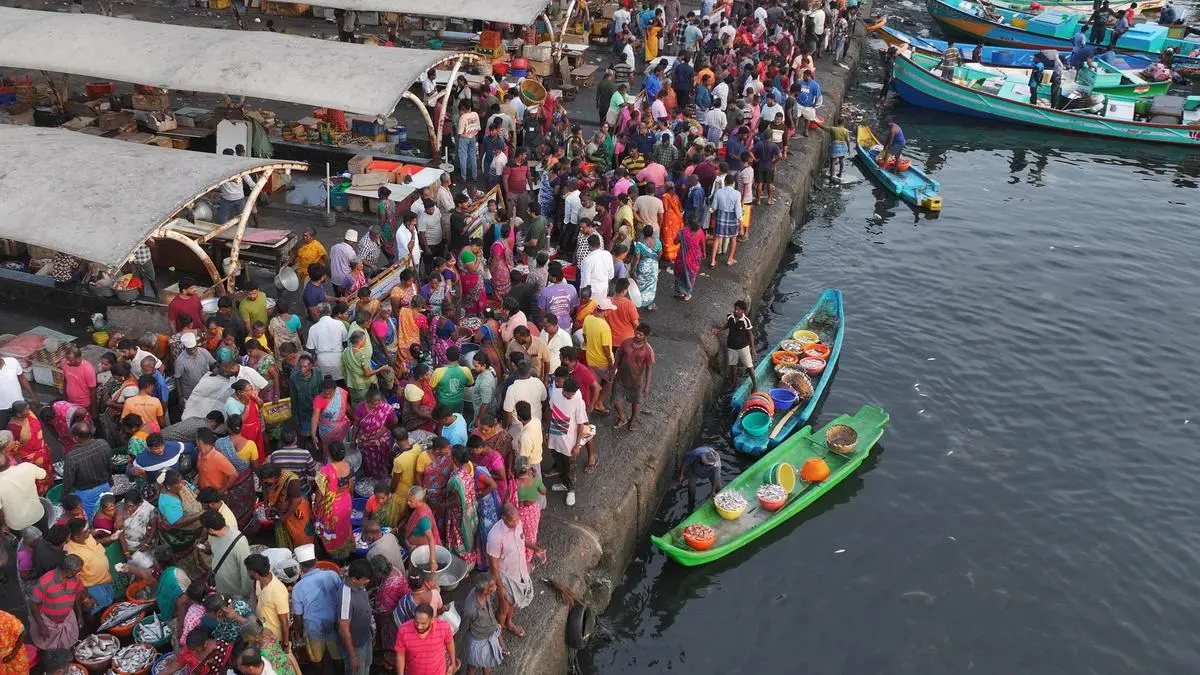
Chennai's inland fishing has vanished over four decades as rivers turned into sewage carriers and garbage bins, said M.D. Dayalan, a fishing community leader. Until the 1980s, people bought madava, keluthi, ooda, era and nandu freshly caught from the Adyar and Cooum estuaries. Fishermen from Pattinampakkam, Adyar, Kotturpuram and Saidapet used small nets and catamarans in pristine waters. Today, the few remaining inland fishermen have registered as sea-faring fishermen and fish the Adyar only during the northeast monsoon.
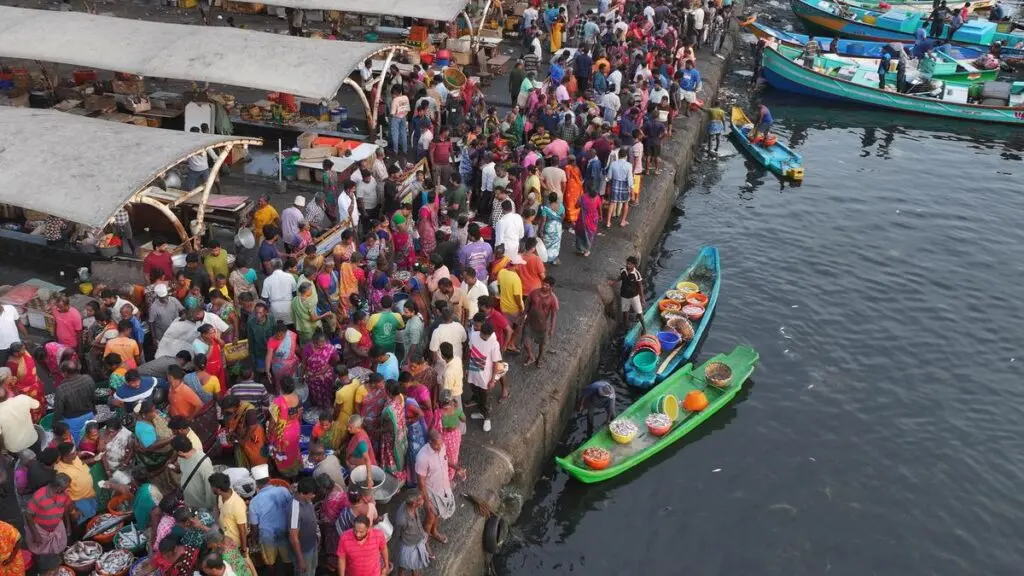
Kasimedu Fishing Harbour in north Chennai now hosts about 900 mechanised boats. Fiberglass reinforced plastic boats introduced in 1990 have replaced wooden catamarans. In 2022-23, fishermen's catch was 52,134 tonnes. A 2010 study found that eight of 66 fish species recorded in a 1916 survey were absent, while 17 new species, including Tilapia, Basa Catfish, African Catfish and Pacu, had appeared. Fishing hamlets from Ennore to Nainarkuppam say they are treated as second-class citizens and face displacement from development projects.
Community leaders call for subsidies for boats, nets and engines, and more space for drying fish and parking boats. A Thoothukudi-based research scholar said Blue Flag beach certifications will not put food on plates.
Indian Opinion Analysis
Chennai's inland fisheries collapsed because the Adyar and Cooum rivers, once fed by monsoon flows and tidal slush, were choked by sewage and encroachments that also eliminated the insect larvae fish fed on. The 2010 survey that found 17 new fish species, mostly Tilapia and African Catfish, reflects the same pollution opening the door to hardier exotics that crowd out native varieties. No revival is likely without massive desilting and sewage diversion, both of which the Chennai Rivers Restoration Trust has been tasked with under a 2017 National Green Tribunal order. The trust's next progress report is due before the tribunal in October 2025.
Source: thehindu.com
This brief was synthesised by AI from the source linked above. Methodology and corrections.