













Now Reading: Shuttle drift disrupts form at BWF World Championships in Delhi
-
01
Shuttle drift disrupts form at BWF World Championships in Delhi



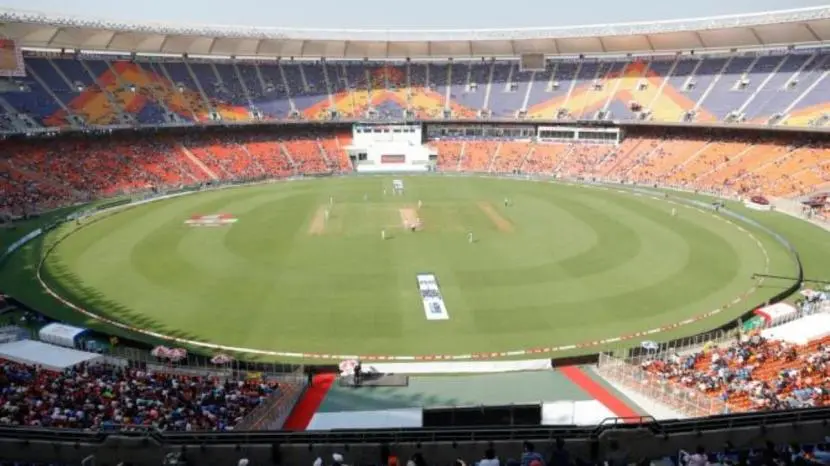
Air drift at the Indira Gandhi Indoor Stadium has become a major tactical factor at the BWF World Championships in Delhi, with players across courts reporting inconsistent shuttle behaviour. The four courts are affected unequally: Centre Court 1 and Court 3 have strong side drift from AC vents, Court 2 has moderate movement, and Court 4 is mostly stable. Shuttlers have had to shorten swings, adjust lift height and alter shot selection between ends of the same court.
Indian shuttler Lakshya Sen adapted to the drift after his opening win but lost to American Garret Tan on Wednesday. Japan's Kodai Naraoka described a stark difference between ends, saying one side was much faster than the other. Teenager Ayush Shetty's upset of world No. 1 Shi Yu Qi was partly attributed to the Chinese player's difficulty with drift on Centre Court. Coach Vimal Kumar said drift made attacking smashes unpredictable, while Canadian Victor Lai noted players had learned to cope through experience in similar Asian venues.
Indian Opinion Analysis
The drift at the Indira Gandhi Indoor Stadium is a recurring issue at world-level badminton events in India. A similar problem was widely reported during the 2022 Thomas Cup in New Delhi, when players from multiple countries complained about air currents affecting shuttle trajectory. The venue's AC system, designed for a large multi-purpose hall, creates uneven airflow that is particularly disruptive for a sport where a 1 cm deviation can decide a point. For Indian players, adjusting to drift at home carries added pressure: they are expected to know the hall, yet the conditions are the same for both sides. The BWF does not regulate indoor airflow to a standard, leaving each host venue's quirks as a legitimate uneven variable. The next critical test will be whether organisers modify the ventilation before the knockout rounds, where a single drift-affected rally could decide a medal match.
Source: timesofindia.indiatimes.com
This story was synthesised by AI from the source linked above. Methodology and corrections.