

















Now Reading: Siya Goyal used ChatGPT, studied 2025 death before fiancé killing
-
01
Siya Goyal used ChatGPT, studied 2025 death before fiancé killing



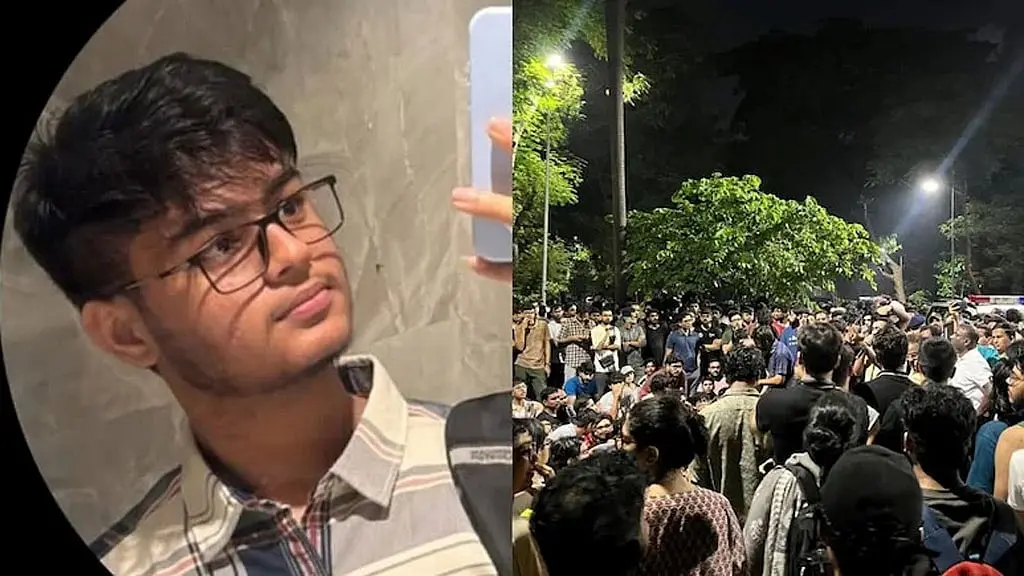
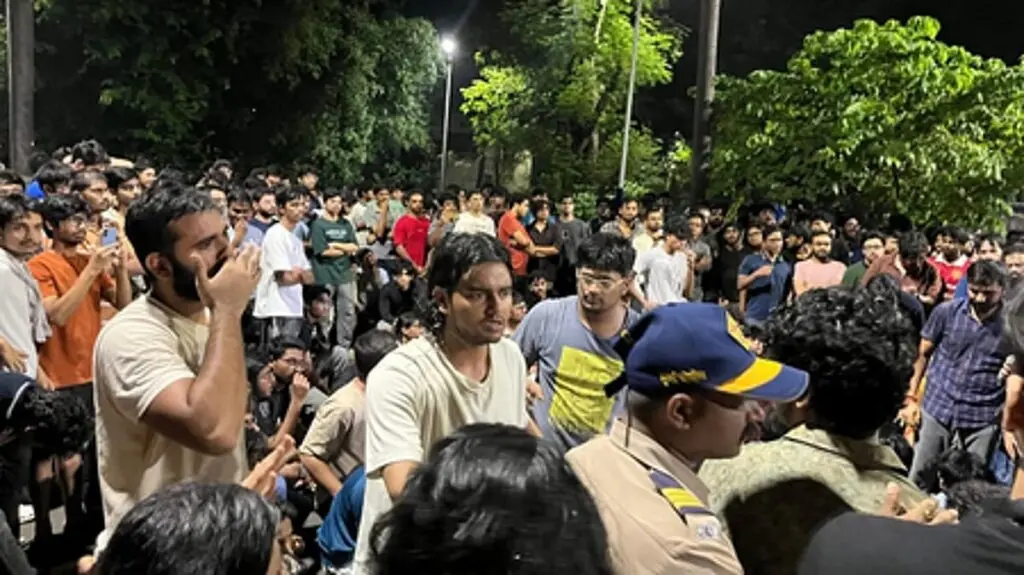
Pune Rural Police have filed a 5,053-page chargesheet in the killing of realtor Ketan Agarwal at Lohagad Fort on 18 June, alleging that his fiancée Siya Goyal and her accomplices studied online reports of a 2025 death at the same location and used ChatGPT to draft apologies and search for ways to evade detection.
The Times of India reports that Goyal and her alleged lover Chetan Chaudhary searched for information about the death of Mansi Govindpurkar, a 21-year-old woman whose body was found at Lohagad in 2025, and discussed making Agarwal's death look like a fall. India Today reports that digital evidence includes 11 deleted WhatsApp chats, crime-related content, and searches about whether police could recover deleted data.
Both sources state that police allege a failed attempt occurred on 14 June, four days before the killing. The case is subject to examination in court.
Indian Opinion Analysis
India Today and The Times of India both base their reports on the same chargesheet and present the police narrative without challenge, producing largely uniform coverage. India Today leads with the ChatGPT and grief-search detail, framing the case around the accused's digital behaviour. The Times of India leads with the accused having studied the 2025 Mansi Govindpurkar death, placing the alleged planning in a longer timeline. Neither source adds defence perspective or questions the evidence, both report the allegations as stated by police. The coverage is effectively a single straight news account split by editorial emphasis on different chargesheet details.
Coverage: 2 sources, 2 neutral
Sources (2): indiatoday.in (neutral report), timesofindia.indiatimes.com (neutral report)
This brief was synthesised by AI from the 2 sources linked above, so one read covers every framing they carry. Methodology and corrections.