








Now Reading: Academics debate AI’s impact on student learning and assessments
-
01
Academics debate AI’s impact on student learning and assessments


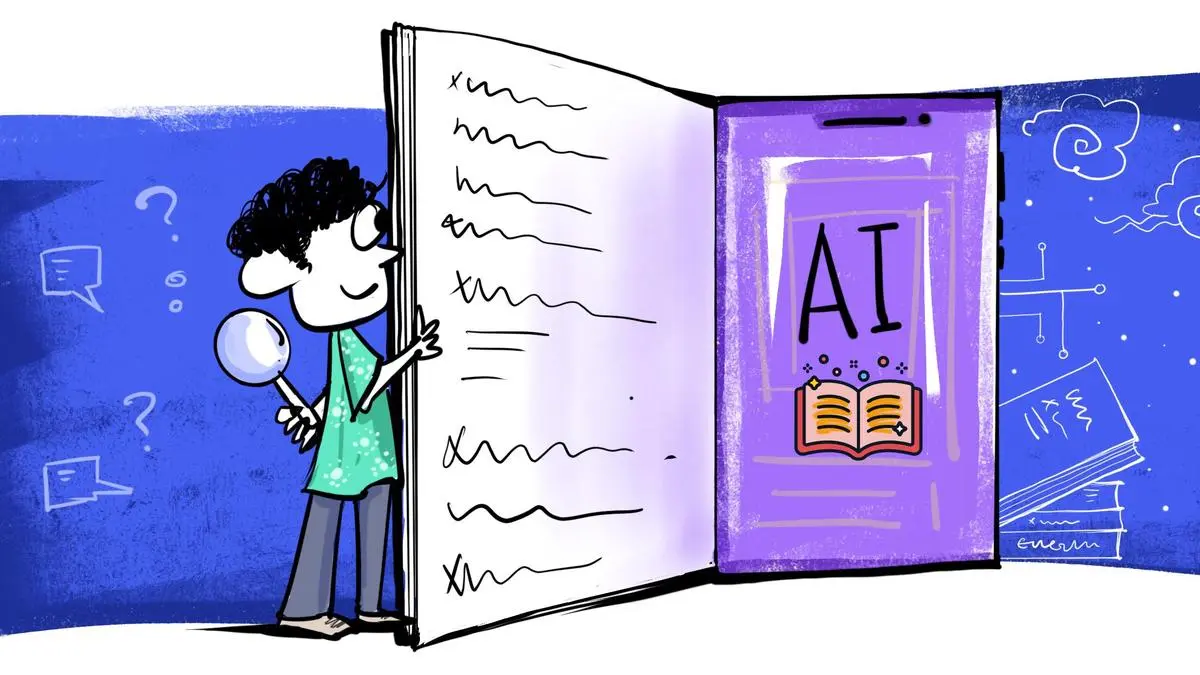
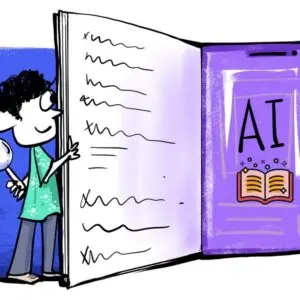
Academics are questioning whether artificial intelligence (AI) tools are undermining student learning or exposing flaws in the education system. The Hindu on Saturday, 17 October 2026 argued that schools and universities have long rewarded final answers over understanding, and AI merely makes the existing shortcut easier. It suggested that assessments should change, for instance by requiring students to explain their reasoning orally, though large class sizes pose a practical challenge.
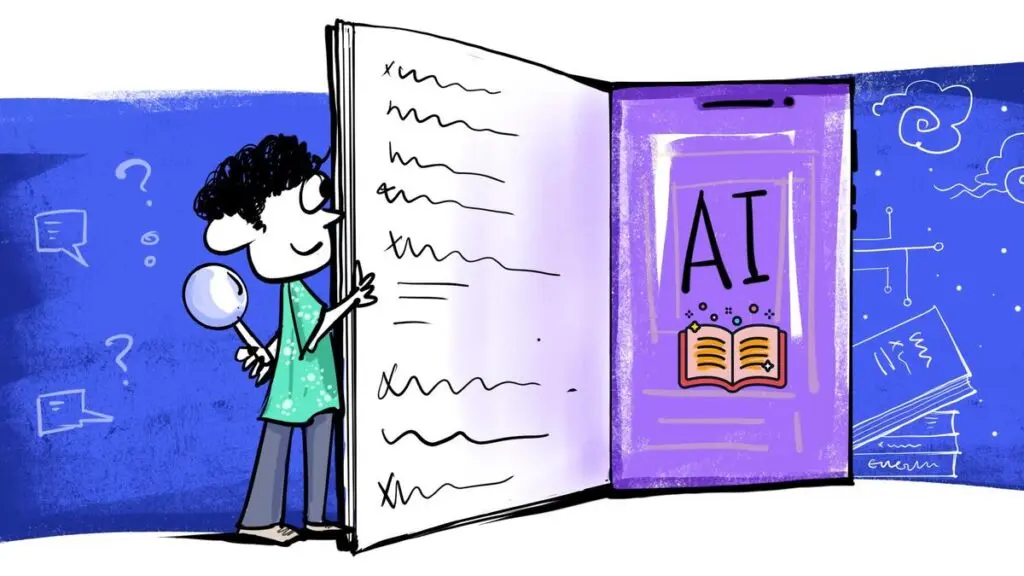
The Hans India on Sunday, 18 October 2026 reported that the OECD's PISA 2025 results show students using AI for summarising and drafting score lower in science, reading and maths. It also noted that the Torrance Test of Creative Thinking has shown declining scores among school students in recent years. Both outlets agreed that the root cause is not AI itself but how it is used, with The Hans India warning that Gen Z has outsourced thinking to AI, leading to surface-level understanding and underperformance without AI support.
Indian Opinion Analysis
The Hindu frames the issue as a systemic failure: it leads with the argument that existing reward structures make AI use inevitable and calls for redesigning assessments. The Hans India emphasises measurable decline: it leads with PISA 2025 and Torrance Test scores, warning of integrity risks and outsourced thinking. Both agree the technology is not the root cause, but The Hindu is more focused on institutional reform while The Hans India highlights behavioural and outcome data. The balanced reading is that AI has exposed weaknesses in how learning is measured, and both outlets point toward a need for change, though they differ on whether the priority should be redesigning exams or curbing dependency. The Hans India ends with a call for intention to learn, citing the book ‘Korero re Life’.
Coverage: 2 sources, 2 neutral
Sources (2): thehindu.com (neutral report), thehansindia.com (neutral report)
This brief was synthesised by AI from the 2 sources linked above, so one read covers every framing they carry. Methodology and corrections.