














Now Reading: Skill deficit and oversupply hit engineering graduates, experts say
-
01
Skill deficit and oversupply hit engineering graduates, experts say



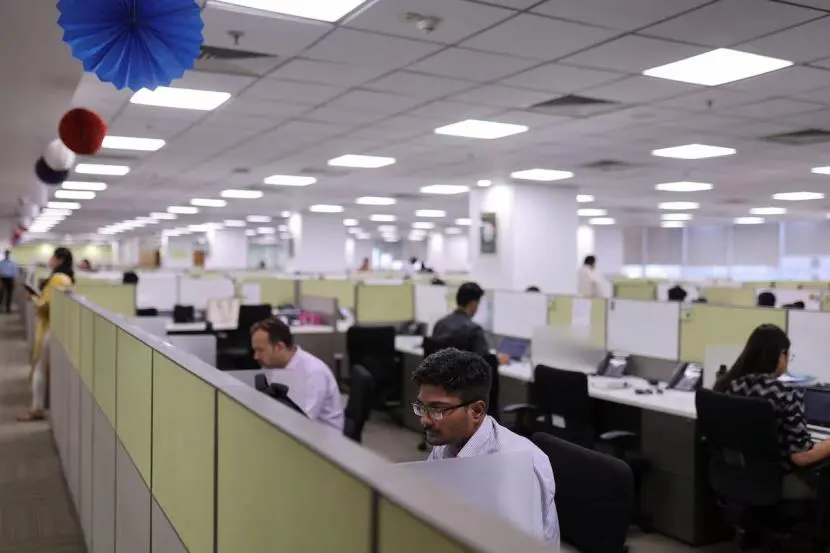
Industry experts say weak math, logic, and communication skills, not a lack of technical knowledge, make many engineering graduates unemployable. Bipin Pendyala, president of HYSEA, said India has a massive oversupply of engineers who want IT jobs, but the sector hires only 2-3 lakh people annually against a workforce of 65-70 lakh. He said society's skewed preference for engineering has hurt other fields like infrastructure and manufacturing.
A NITI Aayog report released on August 18 found only 8.25% of graduates work in jobs aligned with their degrees. It said 13% of all graduates and 20.4% of graduate women are unemployed, far above the national rate of 3.2%. The report blames outdated curricula, lack of labour market information, and expensive placement-linked programs, noting 1.86 crore applications for just 55,000 government posts between November 2024 and July 2025.
NITI Aayog proposes reforms including specialised job-linked degrees, apprenticeship-embedded programs, and a Digital Skills Passport. Experts urge institutions to regularly seek industry input and give students practical exposure from the first year.
Indian Opinion Analysis
The Times of India piece foregrounds industry experts who blame oversupply and student attitudes, while NITI Aayog's report emphasises structural failures in curriculum and governance. Both agree on outdated teaching and weak practical training, but the industry voice deflects responsibility onto students' sense of entitlement, whereas the official report points to systemic barriers like expensive placement programmes and misaligned degrees. The balanced reading is that employability is a joint failure: colleges produce graduates with weak fundamentals, industry demands niche skills it does not help build, and government has been slow to update curricula. The NITI Aayog report's proposed Digital Skills Passport and specialised B.A. streams will test whether policy can bridge this gap.
The Times of India piece foregrounds industry experts who blame oversupply and student attitudes, while NITI Aayog's report emphasises structural failures in curriculum and governance.
Coverage: 2 sources, 2 neutral
Sources (2): timesofindia.indiatimes.com (neutral report), hindustantimes.com (neutral report)
This brief was synthesised by AI from the 2 sources linked above, so one read covers every framing they carry. Methodology and corrections.
Updated: this story now draws on 2 sources.