


















Now Reading: Solar irrigation models need regional approach for groundwater
-
01
Solar irrigation models need regional approach for groundwater


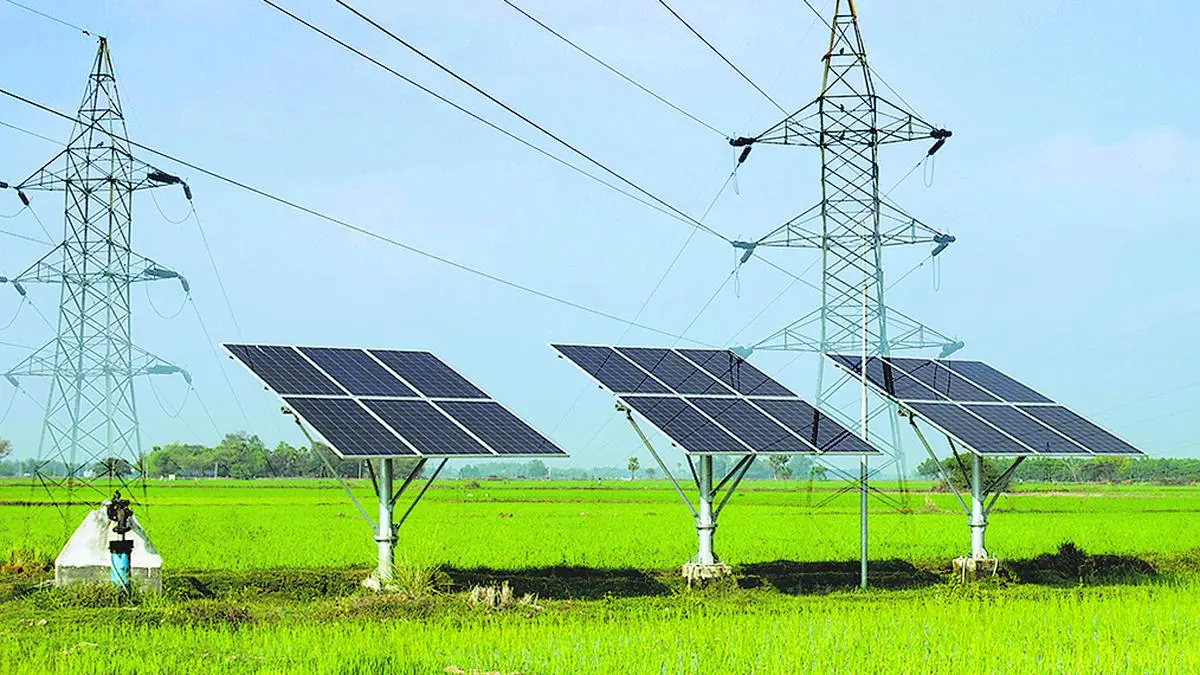
The debate on solar irrigation's impact on groundwater is too simplistic, argues a new analysis based on evidence from India and Bangladesh. Rather than treating all solar pumps as harmful, the article distinguishes between standalone off-grid pumps and grid-connected models that allow farmers to sell surplus electricity.

Evidence from Gujarat's SKY scheme shows that farmers with grid-connected solar pumps had slower growth in energy consumption and irrigation use, earning an average of Rs 21,900 annually by exporting power. In Bangladesh, fee-for-service solar models also did not increase water use over diesel pumps because operators must serve multiple farmers within a fixed area.
The analysis calls for region-specific policies: in water-intensive Punjab and Haryana, replacing subsidised fossil-fuel electricity with grid-connected solar can cut subsidy costs and emissions. In eastern India, where irrigation expansion is constrained by energy access, solar pumps can boost productivity. The key is matching the technology to local hydrogeology and farming systems.
Indian Opinion Analysis
A third limitation is when solar irrigation is evaluated in a silo, either as a water or energy intervention, when its consequences span water, energy, and food. For example, groundwater irrigation in India accounts for a significant share of the country's electricity consumption, with state subsidies for agricultural power costing an estimated Rs 1 lakh crore annually, according to government data. Solar irrigation could reduce that burden if paired with grid-connected models that sell surplus power. The real policy challenge, therefore, is not to judge solar irrigation as inherently good or bad, but to design models that align farmer incentives with sustainable groundwater use. Watch for state-level pilots under PM-KUSUM that test feed-in tariffs, their results will shape whether India rolls out solar irrigation at scale across its 30 million groundwater pumps.
Source: thehindu.com
This story was synthesised by AI from the source linked above. Methodology and corrections.