













Now Reading: India’s solar output rises 138% as floating projects gain push
-
01
India’s solar output rises 138% as floating projects gain push


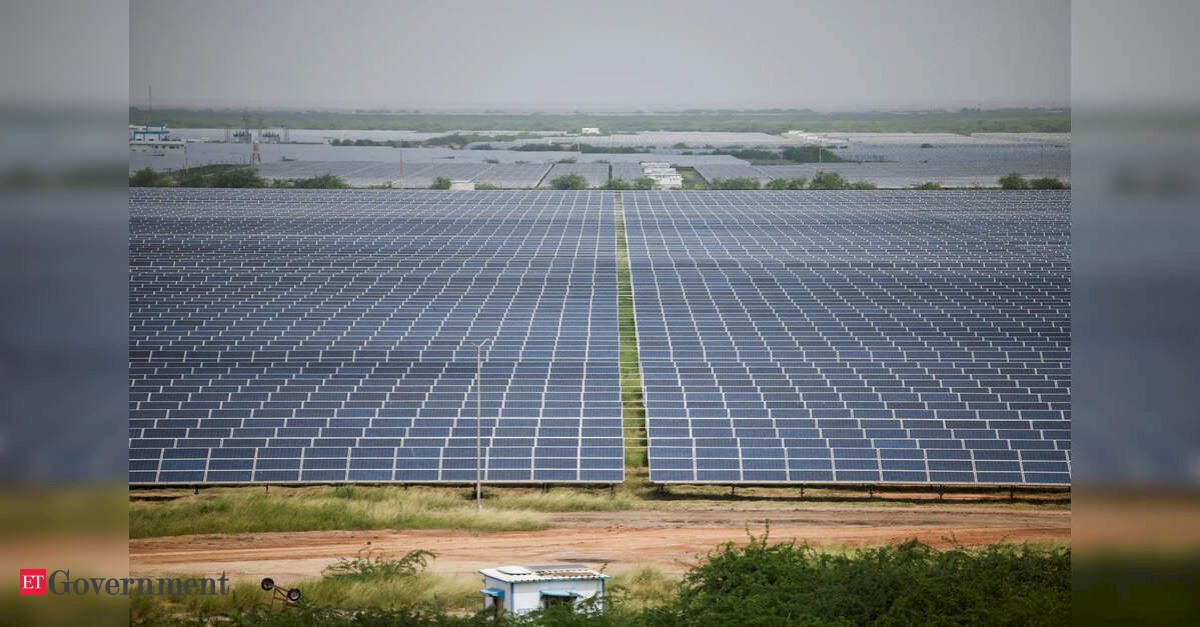
India’s solar power generation rose 138% from 73.48 billion units in 2021, 22 to 174.76 billion units in 2025, 26, according to data presented by the Ministry of New and Renewable Energy…
The Story in Brief
India’s solar power generation rose 138% from 73.48 billion units in 2021, 22 to 174.76 billion units in 2025, 26, according to data presented by the Ministry of New and Renewable Energy in Parliament. Solar’s share of electricity output increased from 4.95% to 9.50%. The ministry said renewable sources accounted for 52.6% of installed generation capacity in June 2026, but produced about 26% of electricity because solar and wind are weather-dependent.

The Union Cabinet has approved a ₹5,070-crore scheme for 5,000 MW of floating solar capacity, with at least two hours of storage for every project. India has about 0.7 GW of floating solar installed against an estimated 102 GW potential, The Hindu reports. Separately, distributed renewable additions could exceed 20 GW this fiscal year, ET EnergyWorld reports.

The Indian Opinion
Claims that India’s renewable transition is already complete overlook the gap between installed capacity and actual generation. The opposite claim, that intermittent power cannot support industry, also ignores storage and rising rooftop output. Floating solar can ease land pressure, but its costs, ecological effects and maintenance risks need honest accounting. The useful test is whether the planned 5,000 MW is commissioned with the promised 10,000 MWh of storage, not merely sanctioned.
Sources (3): government.economictimes.indiatimes.com, energy.economictimes.indiatimes.com, thehindu.com
This story was synthesised by AI from the 3 sources linked above.
Updated: this story now draws on 3 sources.