














Now Reading: Sri Lanka reach 229/6 following on against India
-
01
Sri Lanka reach 229/6 following on against India


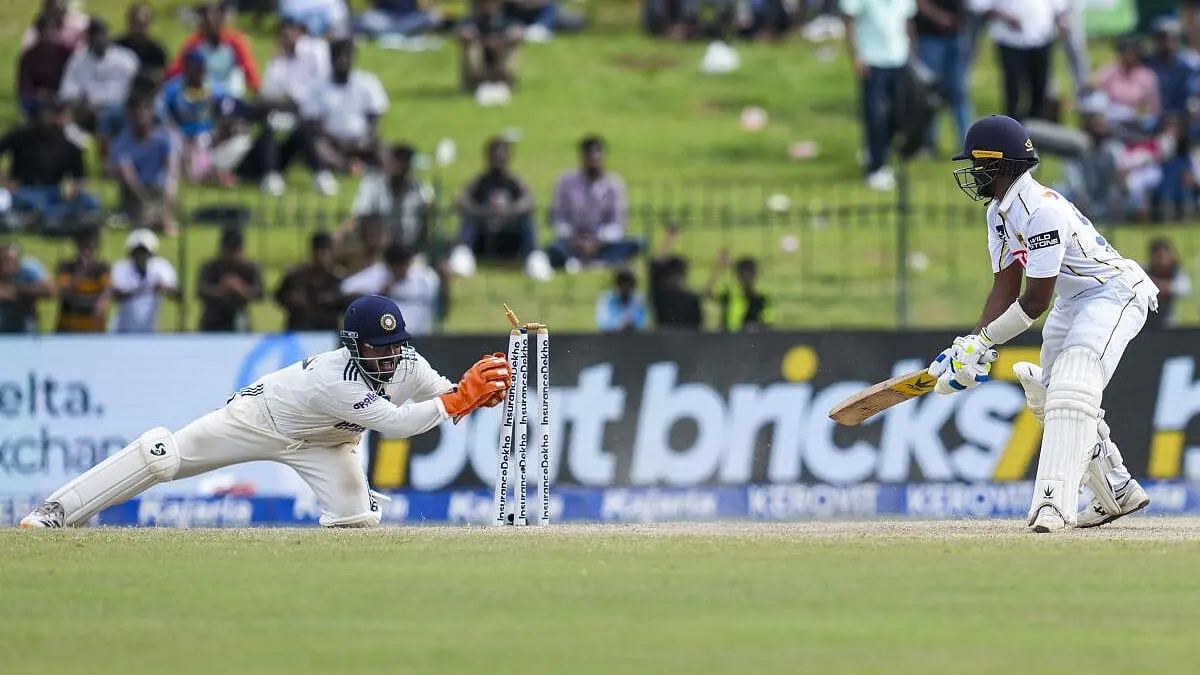
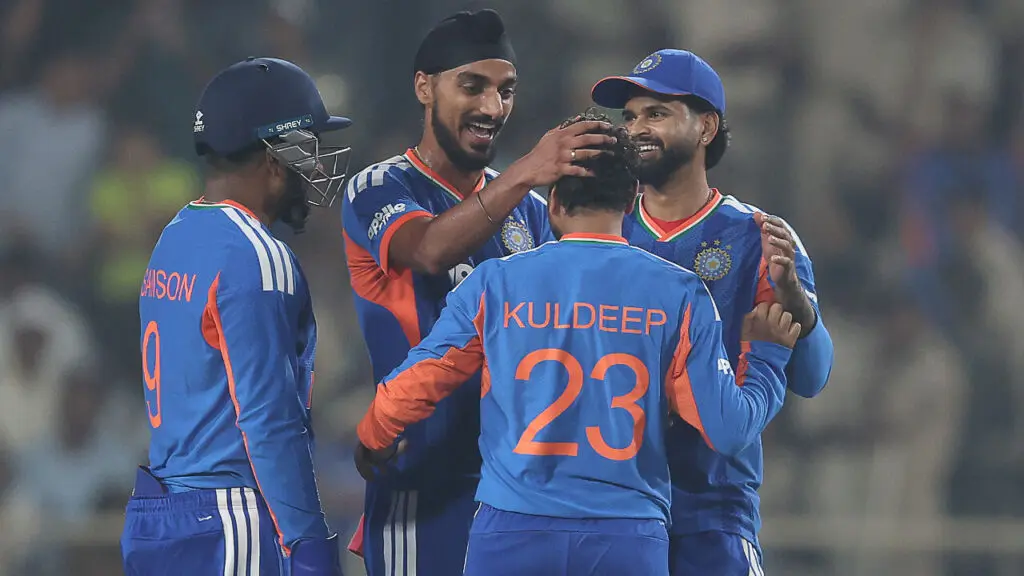
India bowled out Sri Lanka for 290 in their first innings, shortly after Sonal Dinusha reached his century. With India having amassed 503 for nine declared in their first essay, the hosts were forced to follow on, trailing by 213 runs.
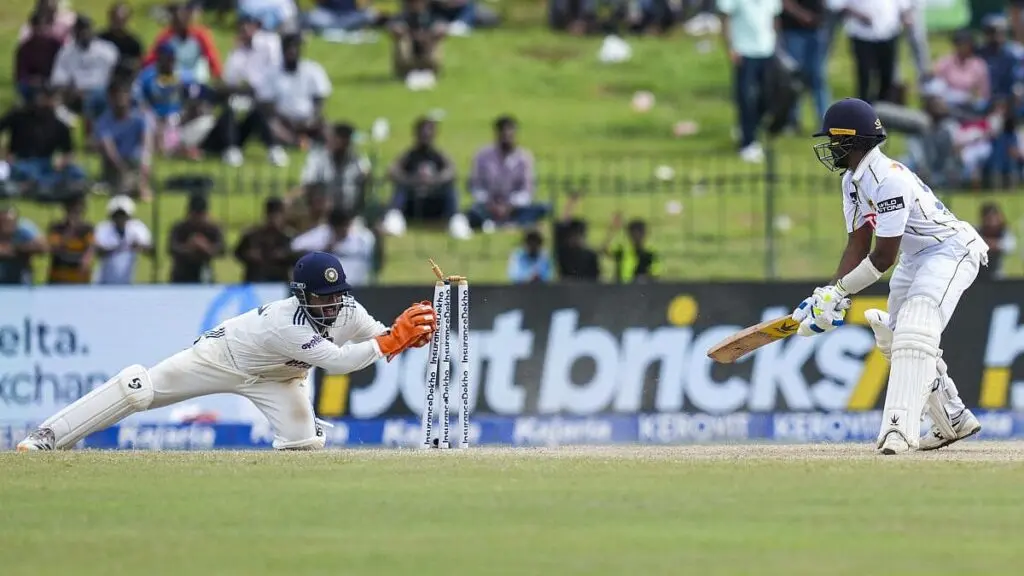
At stumps on the fourth day, Sri Lanka reached 229 for six in their second innings, still needing 84 runs to make India bat again. The match is poised for a decisive final day.
Indian Opinion Analysis
Sri Lanka's follow-on was enforced under Law 14 of the MCC, which allows the fielding captain to ask the batting side to bat again if they trail by at least 200 runs in a five-day Test. India's declaration at 503 for nine gave Rohit Sharma exactly that margin after Sri Lanka were bowled out for 290. With six wickets down and still needing 84 to avoid an innings defeat, Sri Lanka's lower order faces a survival job on the final day. The last time India enforced a follow-on in Sri Lanka was in 2017 in Colombo, a Test they won by an innings and 53 runs. The key figure to watch on day five is how quickly India's bowlers, led by Jasprit Bumrah and Ravindra Jadeja, can take the remaining four wickets.
Source: deccanherald.com
This brief was synthesised by AI from the source linked above. Methodology and corrections.