


















Now Reading: Starlink reapplies for 30,000 satellites in India, regulatory deadlock remains
-
01
Starlink reapplies for 30,000 satellites in India, regulatory deadlock remains

Starlink reapplies for 30,000 satellites in India, regulatory deadlock remains


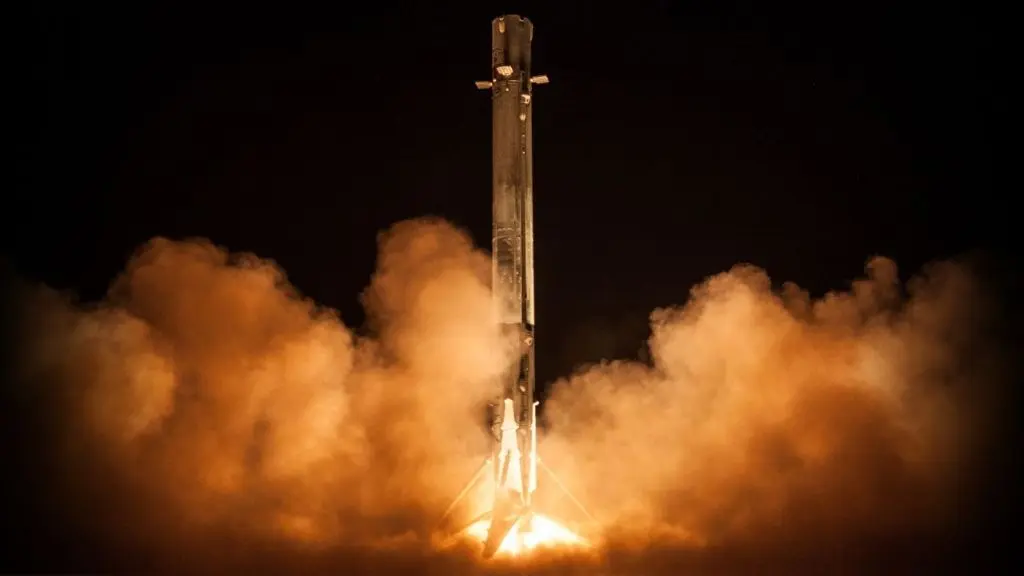
Elon Musk's Starlink has submitted a fresh application to India's space regulator IN-SPACe for nearly 30,000 low-Earth orbit satellites that would enable direct-to-device connectivity, allowing compatible phones to link to satellites without mobile towers. The Economic Times first reported the move, which Musk later confirmed on X. Starlink's earlier Gen 2 application was rejected by IN-SPACe because its spectrum bands and features did not meet Indian requirements, in July 2025 it received authorisation for only its smaller 4,408-satellite Gen 1 constellation, valid until 2030.

The new application lands while three key government decisions remain unfinished, according to MediaNama's analysis. The Department of Telecommunications has finalised a framework for satellite spectrum pricing but has not sent it to the Union Cabinet. The Telecom Regulatory Authority of India has not yet written the direct-to-device rules, and the Ministry of Home Affairs has reportedly frozen Starlink's security clearances since June 2026. Starlink holds a valid GMPCS licence and IN-SPACe authorisation for Gen 1, but no operator, including Reliance Jio and Eutelsat OneWeb, has been assigned working spectrum. Until the Cabinet clears spectrum pricing, commercial launch cannot proceed.
Indian Opinion Analysis
Times Now News leads with the consumer-facing prospect of Starlink entering India, framing the reapplication as a fresh opportunity for better connectivity. It mentions the earlier government rejection only in passing and omits the regulatory logjam entirely. MediaNama, by contrast, leads with the regulatory reasons why Starlink remains stuck: spectrum pricing is undecided, the D2D framework is unwritten, and security clearances are reportedly frozen. Where Times Now News implies progress is pending, MediaNama shows that nothing has moved for any satellite operator, not just Starlink. The gap between the two framings is instructive: the former treats government hurdles as a historical footnote, the latter as the entire story. A careful reader should note that while Starlink has reapplied, the same three decisions, spectrum pricing, D2D rules, and security clearance, must land first, and the government has not acted on any of them. The practical yardstick is Cabinet clearance on spectrum pricing, which has not even been sent.
Coverage: 2 sources, 1 government-critical, 1 neutral
Sources (2): timesnownews.com (neutral report), medianama.com (government critical)
This story was synthesised by AI from the 2 sources linked above. Methodology and corrections.
Updated: this story now draws on 2 sources.